When you are already navigating the emotional toll of a toxic relationship, what you eat may be the last thing on your mind. Yet dietitians point out that certain foods can actually amplify your body's stress response, making it harder to think clearly, regulate emotions, and maintain energy. Here are three categories of foods that can worsen stress specifically in this context—and what to reach for instead.
1. Caffeine: Fuel for the Fight-or-Flight Response
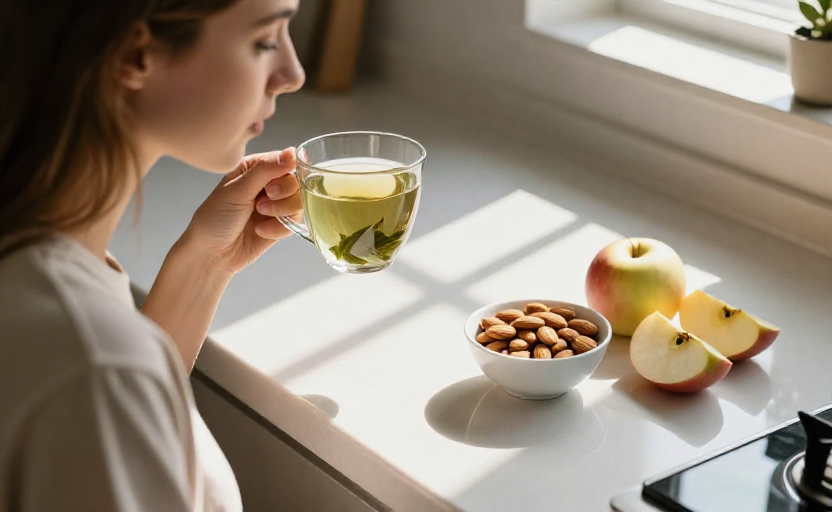
Coffee, energy drinks, and even black tea can spike cortisol and adrenaline. In a high-stress relationship, your nervous system may already be on high alert. Adding caffeine can push you into a state of constant agitation, making it difficult to relax or sleep. Dietitians suggest limiting caffeine to one cup in the morning or switching to green tea, which contains L-theanine—an amino acid that promotes calmness without sedation.
2. Ultra-Processed Snacks and Sugary Treats
Packaged cookies, chips, soda, and white bread cause rapid spikes and crashes in blood sugar. These dips can mimic or worsen symptoms of anxiety, such as irritability, shakiness, and brain fog. In a toxic relationship, you may already experience emotional volatility; unstable blood sugar only intensifies that roller coaster. Dietitians recommend pairing a complex carbohydrate (like whole-grain crackers or apple slices) with protein or healthy fat (nut butter, yogurt) to keep blood sugar steady throughout the day.
Quick tip: If you feel an urge to stress-eat, pause and ask whether you're truly hungry—or just needing comfort. A 5-minute walk or deep breathing can reset that impulse.
3. Alcohol: A Short-Term Sedative with Long-Term Consequences
A glass of wine or beer may seem like a quick way to take the edge off after a tense conversation. However, alcohol disrupts sleep architecture, particularly REM sleep, which is critical for emotional processing. Poor sleep lowers your tolerance for conflict and reduces your ability to set boundaries. Over time, alcohol can also increase baseline anxiety and depression. Dietitians advise limiting alcohol to occasional use and never using it as a coping mechanism.
Small Swaps, Big Shifts
You don't have to overhaul your diet overnight. Start with one swap: replace the afternoon energy drink with sparkling water and a handful of almonds. Or try a cup of chamomile tea in the evening instead of a second glass of wine. These small changes help stabilize your mood and give you a clearer head to evaluate your situation—whether that means improving communication within the relationship or taking steps to leave.
If you are in immediate danger or experiencing abuse, please call the National Domestic Violence Hotline at 1-800-799-7233 or visit thehotline.org. Nutritional changes are supportive but never a substitute for professional help or safety planning.