That wave of nausea that greets you in the morning, or sometimes lingers all day, is one of pregnancy’s most common yet challenging rites of passage. While often called morning sickness, it doesn’t always respect the clock. What you eat plays a starring role in how you feel, but the guidance isn’t always clear. It’s less about restrictive diets and more about understanding which foods might be tipping your delicate balance, and knowing what gentle alternatives can help you stay nourished and comfortable.
The goal isn’t to eliminate every potential trigger—that’s nearly impossible—but to make strategic swaps that can create more peaceful moments in your day. Let’s look at three common food categories that often intensify nausea for pregnant people and explore what to reach for instead.
1. Heavily Scented or Strongly Flavored Foods
Your sense of smell is on high alert during pregnancy, a superpower you didn’t ask for. Foods with potent aromas or intense flavors can overwhelm your heightened senses and trigger a gag reflex before you even take a bite. This isn’t about the food being “bad”; it’s about your body’s amplified response.
Think of foods like garlic-heavy dishes, spicy curries, certain strong cheeses, or fish that’s particularly “fishy.” Even foods you once loved, like coffee brewing or a sizzling onion, can suddenly become intolerable. The volatile compounds that create these strong smells are the very things your sensitive system may rebel against.
Tip: Opt for cold or room-temperature foods, as they tend to emit less aroma than hot, steaming dishes.
What to Eat Instead
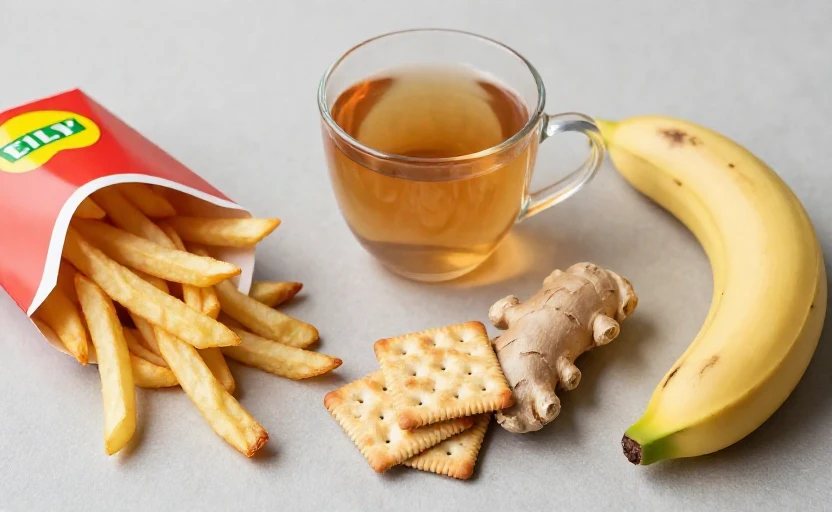
Focus on bland, low-odor foods that are easy on the senses. The classic BRAT diet (bananas, rice, applesauce, toast) is a standby for a reason—these foods are simple and neutral. Try plain crackers, oatmeal with a little honey, or a simple baked potato. Chilled foods like yogurt, cottage cheese, or fruit smoothies can also be less triggering because their scent is muted.
2. Greasy, Fried, or High-Fat Foods
Fatty foods take longer to digest. For a stomach that’s already feeling unsettled, a heavy meal of fries, deep-fried items, greasy pizza, or creamy sauces can feel like an anchor. The slow digestion process can leave food sitting in your stomach longer, which can increase feelings of fullness, bloating, and nausea.
This doesn’t mean all fat is off-limits. Healthy fats from sources like avocado or nuts are important. The issue is primarily with the volume and type of fat found in heavily processed, fried foods, which can be harder for your digestive system to manage when it’s in a sensitive state.
What to Eat Instead
Choose lean proteins and cooking methods that don’t add excess grease. Grilled chicken breast, baked fish, tofu, or legumes like lentils provide steady energy without the heavy feeling. Steam, bake, or poach your foods instead of frying. If you need some fat for satisfaction, add a small amount of a healthier source after cooking, like a drizzle of olive oil or a few slices of avocado on toast.
3. Very Sweet or Sugary Foods and Drinks
It might seem counterintuitive, but reaching for a sugary soda or a candy bar to try to settle your stomach can backfire. A rapid spike in blood sugar from simple sugars is often followed by a swift drop, and this crash can actually worsen nausea and dizziness. The sweetness itself can also become cloying and unappealing to a sensitive palate.
This includes sugary cereals, pastries, sweetened juices, and regular sodas. Even some “healthy” smoothies can be loaded with sweeteners that destabilize your blood sugar.
Listen to your cravings, but pair a sweet treat with a protein or fiber to slow the sugar absorption.
What to Eat Instead
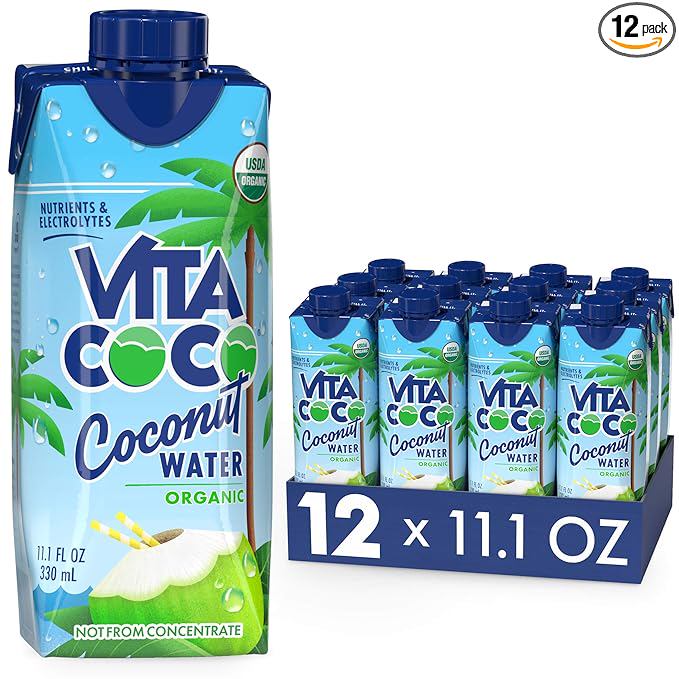
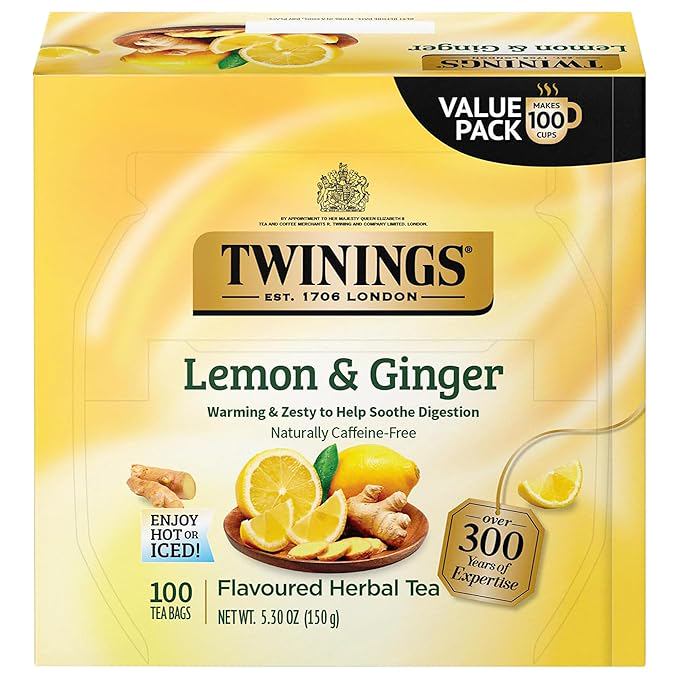
Focus on complex carbohydrates and natural sugars paired with fiber. A piece of whole-grain toast with a thin layer of jam, a bowl of berries, or an apple with a handful of almonds provides sweetness along with sustaining nutrients. For drinks, try water with a squeeze of lemon or cucumber, herbal teas like ginger or peppermint (check with your provider first), or coconut water for gentle hydration and electrolytes.
Building Your Nausea-Friendly Toolkit
Beyond specific food swaps, how and when you eat is just as important. Think of managing morning sickness as a holistic practice, not just a list of “good” and “bad” foods.
Keep plain, dry crackers like saltines or ginger snaps on your bedside table. Eat one or two before you even sit up in the morning to give your stomach something to work on before acid builds up.
Instead of three large meals, aim for five or six small, snack-sized meals throughout the day. An empty stomach can make nausea worse, so try to never get to the point of feeling ravenous. Carry a small bag of safe snacks—like pretzels, dry cereal, or nuts—with you.
Dehydration is a major nausea trigger. Sip fluids slowly throughout the day rather than gulping large amounts at once. If plain water is unappealing, try infusing it with fruit or drinking from a straw, which can sometimes help you take in more without thinking about it.
Finally, give yourself grace. Some days, the only thing that sounds tolerable might be plain pasta or a specific brand of popsicle. That’s okay. The goal is to get through the day with adequate calories and fluids. If you find you can’t keep anything down, are losing weight, or are becoming dehydrated, contact your healthcare provider promptly. They can offer additional support and ensure both you and your baby are getting what you need.