
Joint discomfort and unsteady walking are not inevitable parts of aging. While many seniors accept stiffness and balance issues as normal, the foods they eat every day can make a real difference — for better or worse. Certain common staples in the standard diet can fuel inflammation, weaken cartilage, and even interfere with the body's ability to absorb joint-supporting nutrients.
Here are three foods that seniors should consider cutting back on — not to create fear, but to make room for choices that help protect mobility, ease joint stress, and support a steadier stride.
1. Sugary sodas and sweetened drinks
A can of soda or a bottle of sweetened iced tea might feel like a harmless treat, but for aging joints, it can be a problem. High-fructose corn syrup and added sugars trigger a rise in inflammatory markers throughout the body, including the joints. Over time, this can worsen osteoarthritis pain and accelerate cartilage breakdown.
Excess sugar also promotes the formation of advanced glycation end products, which stiffen collagen and make joint tissues less resilient. For seniors who already deal with creaky knees or hips, cutting back on sugary beverages is one of the simplest ways to reduce low-grade inflammation.
Tip: Replace one soda a day with sparkling water flavored with lemon or berries. The swap reduces sugar intake while keeping hydration high — both benefits for joint fluid and steady walking.
2. Refined white bread and pastries
White bread, crackers, muffins, and many packaged snack foods are made from refined flour. These foods have a high glycemic index, meaning they spike blood sugar quickly. That spike triggers an inflammatory response that can settle in the joints, leading to swelling and tenderness.
For seniors, the issue is twofold: inflammation limits mobility, and blood sugar swings can affect energy and balance. A body trying to walk steadily with inflamed knees or hips will naturally compensate, altering gait and increasing fall risk.
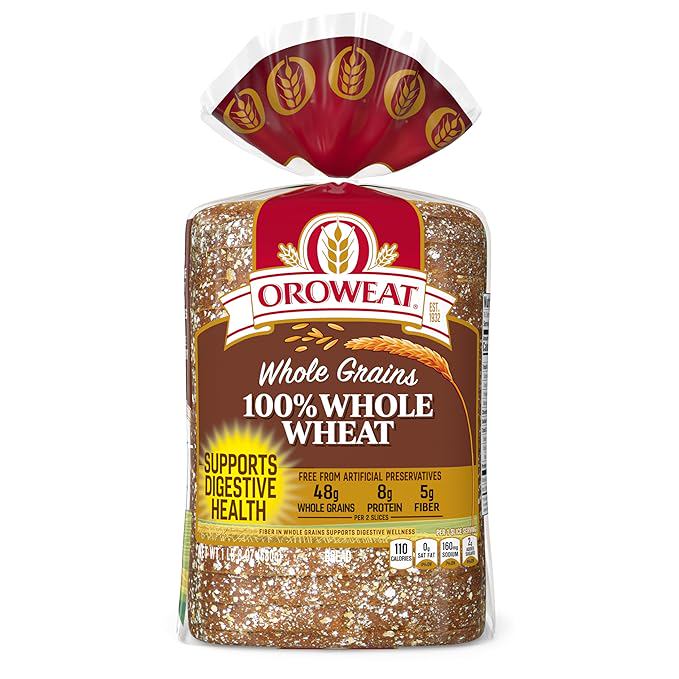
Swapping refined grains for whole grains — like oats, brown rice, or 100% whole-wheat bread — provides fiber that slows sugar absorption and delivers magnesium and B vitamins that support nerve function and muscle coordination.
3. Processed meats (sausages, bacon, deli meats)
Bacon, sausages, hot dogs, and sliced deli meats are high in sodium, nitrites, and advanced glycation end products — all compounds that promote joint inflammation. High sodium intake can also interfere with calcium balance, potentially weakening bones over time. For seniors with osteoporosis or osteopenia, this adds an extra layer of risk for falls and fractures.
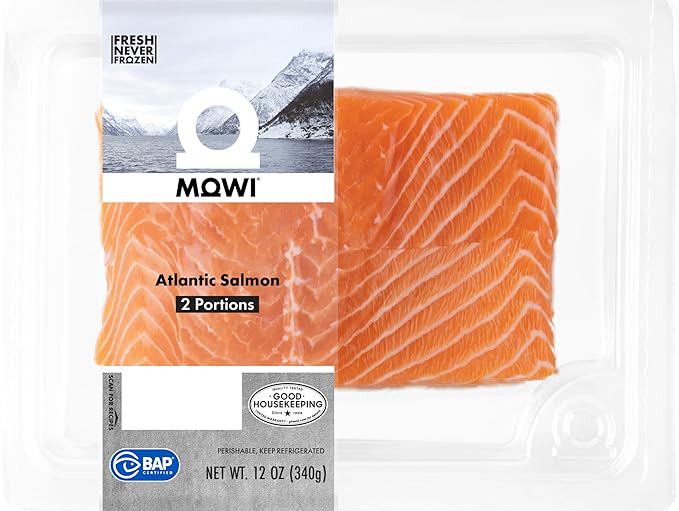
Instead of eliminating protein, consider swapping processed meats for lean alternatives like grilled chicken, fish rich in omega-3s (such as salmon or mackerel), or plant-based options like lentils and chickpeas. These choices provide anti-inflammatory benefits and support muscle mass, which is essential for balance and steady walking.
Making the shift without feeling deprived
Changing a lifelong diet isn't about perfection. Even small adjustments — like choosing water over soda twice a week, or having oatmeal instead of a white-flour muffin — can slowly reduce inflammation and improve joint comfort. Pair these food changes with gentle movement, such as walking on flat ground or doing seated stretches, to help maintain flexibility and confidence on your feet.
Mobility in later years is built on thousands of small decisions. By reducing these three inflammatory foods, seniors give their joints a better chance to stay supple and their walk to stay sure.