You know the feeling: you're exhausted, your head finally hits the pillow, and then... nothing. The minutes tick by. Ten, then twenty, then thirty. Your mind might be quiet, but your body just won't cooperate. While there’s no magic switch for sleep, you can create conditions that make it far easier for your brain to transition into rest mode. The key often isn’t what you do in bed, but how you shape the space around you.
In sleep science, this is called “sleep hygiene”—a set of environmental controls that signal your nervous system that it’s safe to let go. If you’re currently averaging thirty to sixty minutes of tossing and turning, these three specific adjustments can help you cut that time down significantly, often bringing you to sleep in twenty minutes or less.
1. Drop the Temperature (Seriously, Make It Cool)
Your core body temperature needs to drop by about one to two degrees Fahrenheit to initiate sleep. This is a biological requirement, not a preference. If your bedroom is too warm, your body cannot release heat efficiently, and your brain will stay in a state of alertness. Most sleep specialists recommend a room temperature between 65 and 68 degrees Fahrenheit (18 to 20 degrees Celsius).
If you tend to run warm, try these specific tweaks:
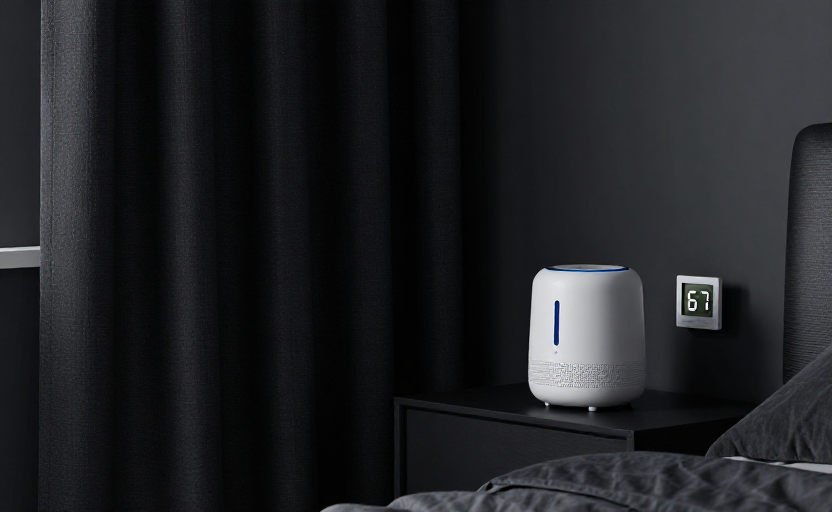
- Set your thermostat to 67 degrees about thirty minutes before you plan to sleep. Let the room pre-cool.
- Use breathable bedding. Swap heavy flannels or polyester sheets for natural fibers like cotton, linen, or bamboo. These fabrics wick moisture and prevent heat from getting trapped against your skin.
- Take a warm bath or shower before bed. This sounds counterintuitive, but warming your skin surface actually increases blood flow to the extremities. When you step out into the cooler air, your body radiates heat rapidly, causing a sharp drop in core temperature that strongly signals sleep onset.
If you don't have central air, a dedicated cooling fan aimed at your face and torso (not just your feet) can make a measurable difference.
2. Lock the Room in Absolute Darkness
Light is the single strongest signal to your brain that it should be awake. Even a tiny sliver of light coming from a streetlamp, a charging cable LED, or a crack under the door can suppress melatonin production and keep your brain in a “light-sensitive” mode. To fall asleep in twenty minutes, you need a space that is as dark as possible.
A simple test: stand in your bedroom with the lights off. If you can see your hand in front of your face, it is too bright for optimal sleep onset.
Here are concrete steps to achieve true darkness:
- Invest in blackout curtains or shades. They don’t need to be expensive—even a simple tension rod with a dark, thick fabric can block most outside light. Make sure they cover the entire window frame without gaps on the sides.
- Cover or tape over all electronic LEDs. Those tiny blue or green lights on your phone charger, laptop brick, smoke detector, and power strip are potent sleep disruptors. Use black electrical tape to cover them completely.
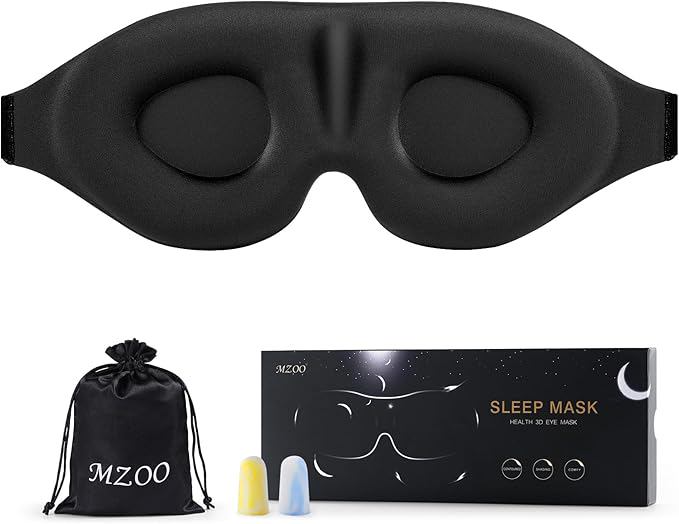
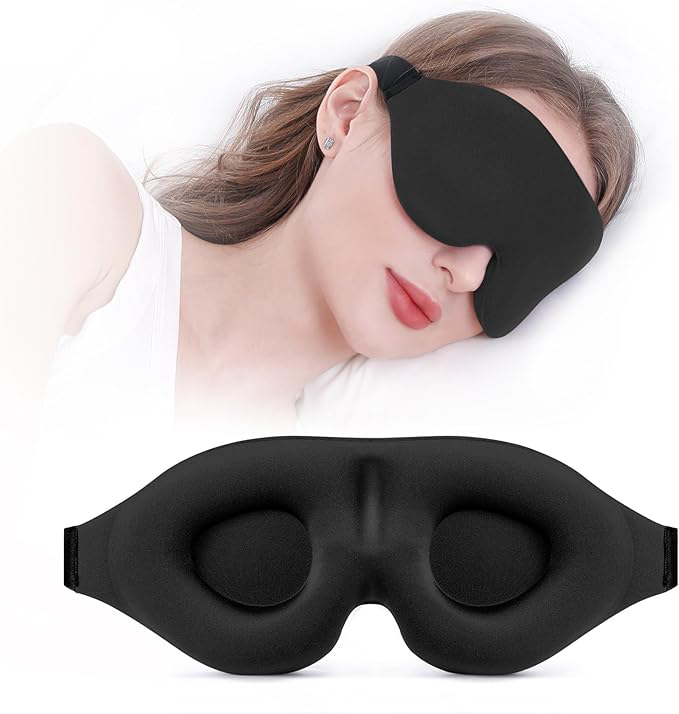
- Wear a well-fitting silk or cotton sleep mask. This is a highly effective solution for travelers or people who cannot control the room's light exposure. The mask should be contoured to allow your eyelids to move freely (so you can naturally experience REM) without pressing on them.
- Eliminate blue light 60–90 minutes before bed. This includes screens from phones, tablets, and laptops. If you must use a device, set it to night mode with the lowest brightness possible, and wear blue-light-blocking glasses.
3. Soundproof Your Brain with Steady, Low-Frequency Noise
Sudden, unpredictable noises—a car honking, a door slam, a dog barking two blocks away—can spike your cortisol, making it nearly impossible to drift off. The goal isn’t to live in a vacuum; it’s to mask those jarring sounds with a consistent, soothing backdrop. This is why white noise machines were invented.
But not all noise is equal. Pink noise or brown noise (lower-frequency sounds that resemble rain or a steady hum) are often more effective for deep sleep than high-pitched white noise.
- Use a dedicated sound machine that plays continuous, non-looping noise. A phone app works but may have looping artifacts that can be distracting.
- Set the volume to a level that just barely masks the outside noise. Too loud, and it becomes a stimulus itself. A good rule of thumb is to set it at a level where you can still hear your own breath but not the traffic outside.
- Consider a fan for double duty. A simple box fan on medium speed provides both cooling airflow (helping with temperature) and a steady rumble that sounds like brown noise. This is a low-cost, effective tool.
- For people who prefer nature sounds, try a recording of steady rain on a roof or a single-tone thunderstorm without sudden crashes. Avoid sounds with sudden bird calls or animal noises.
Building Your 20-Minute Sleep Window Routine
These adjustments work best when applied consistently for at least one week. Don’t try them all at once on the first night. Instead, pick one to start: the temperature drop is often the most powerful single change for people who sleep hot. Add the darkness component next, then the sound. After a few nights, you should notice that your time to fall asleep shortens noticeably. If you are still awake after twenty minutes of trying, get out of bed, do something calming (like reading a physical book in dim light), and return only when you feel drowsy. Your bed should be a place for sleep, not for frustration.