You may have heard about peptides in the context of serums and creams, but the story doesn't end at the skin barrier. These short chains of amino acids are the building blocks your body uses to produce collagen, elastin, and other proteins that keep skin firm, hair strong, and connective tissues resilient. And while topical products help, the most foundational way to support your body's own peptide production is through what you eat—starting with the first meal of the day.
If you are scanning the grocery aisles wondering how to make breakfast and snacks work harder for you without adding fuss, the answer is simpler than you think. Peptide-boosting foods are often high in specific amino acids—glycine, proline, and lysine—or provide the vitamin C and copper needed for collagen synthesis. The key is knowing where they show up naturally and how to pair them. Here are three easy, approachable ways to weave those nutrients into your morning and mid-meal routines.
1. Start with a bone broth or collagen-rich base
Few single ingredients pack the concentrated amino acid profile of bone broth. Simmered from animal bones and connective tissue, it releases gelatin and collagen peptides that are rich in glycine and proline. Using it as a base for breakfast—rather than just a sip from a mug—makes a real difference in how much you actually consume.
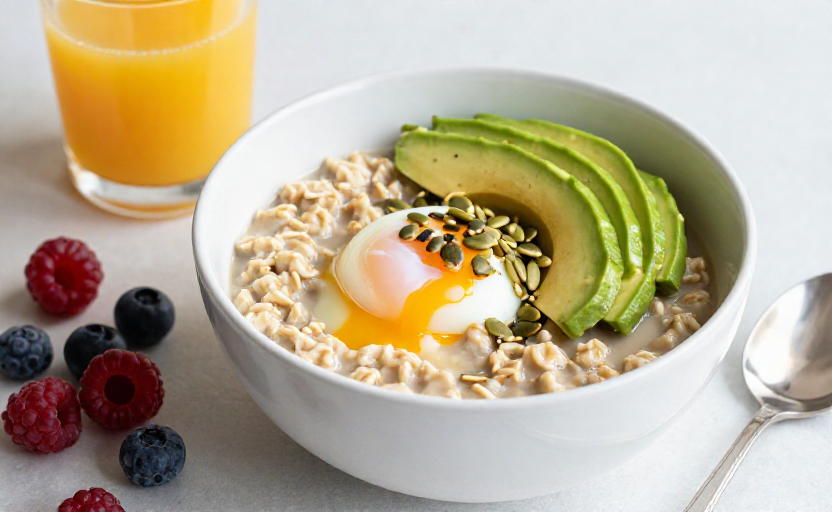
One fast swap: Instead of cooking your oatmeal, quinoa, or savory grits in plain water, cook them in a good-quality unsalted bone broth. The flavor is subtle and savory, and it pairs especially well with toppings like a soft-cooked egg, wilted greens, or a sprinkle of nutritional yeast. If sweet oatmeal is more your style, use a collagen peptide powder (unflavored) stirred into the hot cereal after cooking, then finish with berries and a dollop of Greek yogurt.
For a grab-and-go snack, collagen peptides dissolve easily into hot tea, coffee, or even a simple matcha latte. Because they are virtually tasteless, they don't interfere with your usual morning brew. The advantage here is consistency—you can get a meaningful dose of glycine and proline without chewing.
A quick caution: Collagen powders are dietary supplements, not a substitute for whole-food protein. They lack tryptophan and other essential amino acids, so continue eating a variety of protein-rich foods like eggs, fish, or legumes throughout the day.
2. Smart pairings that maximize collagen synthesis
Simply eating a high-protein food does not automatically guarantee that your body will produce more collagen. The process is nutrient-dependent, and a few supporting players are often overlooked. Vitamin C is required for the hydroxylation of proline and lysine, which is a chemical step your body must complete before those amino acids can assemble into stable collagen fibers. Copper is another cofactor that helps crosslink those fibers, giving them strength.
That means a bowl of Greek yogurt (rich in lysine and proline) is good, but a bowl of Greek yogurt with kiwi or orange slices is better. The vitamin C in the fruit activates the amino acids you just ate. Here are three pairings that work naturally:
- Eggs + red bell peppers: Eggs provide proline and glycine, while a handful of sautéed peppers (or even raw strips on the side) delivers vitamin C for assembly.
- Smoked salmon + lemon: Salmon yields ample lysine and proline; a squeeze of lemon juice provides ascorbic acid plus a flavor lift.
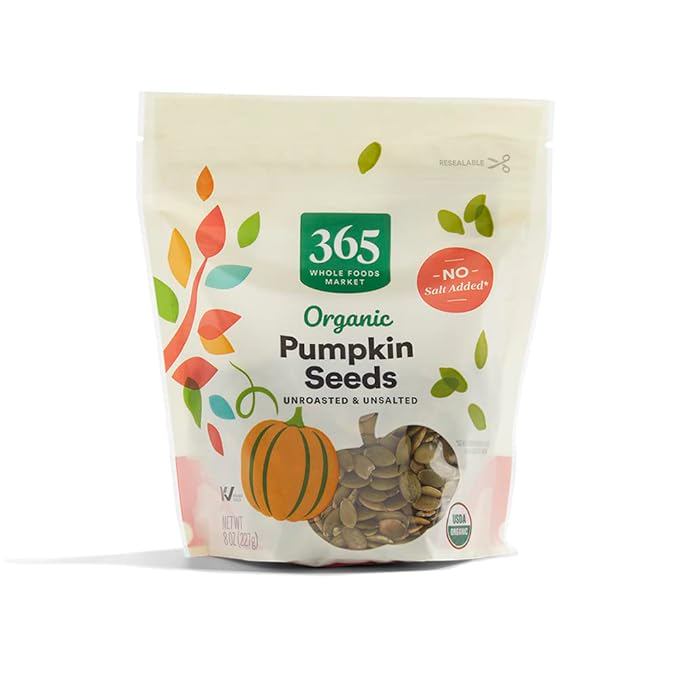
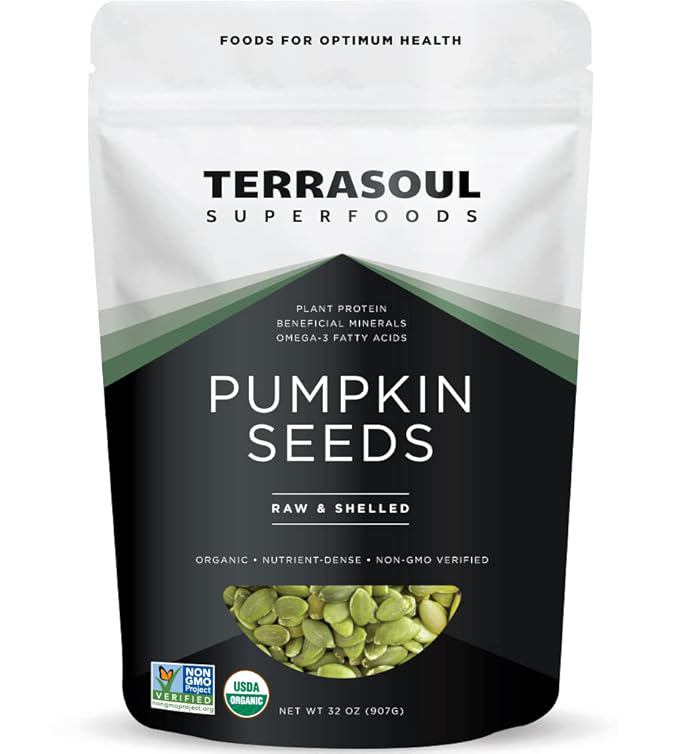
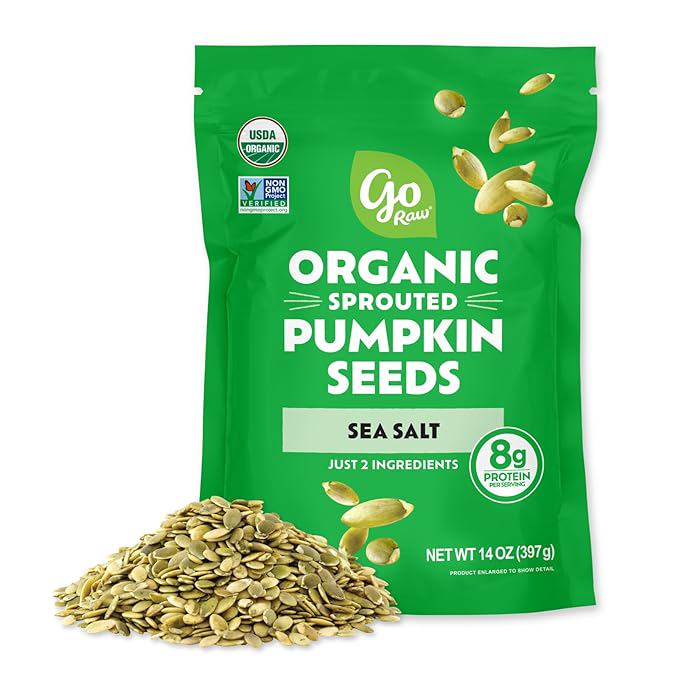
- Oats + pumpkin seeds + strawberries: Oats contain moderate amounts of lysine and copper; pumpkin seeds add zinc, and strawberries bring the vitamin C.
For snacking, consider having an apple with almond butter. The apple supplies vitamin C and copper (in the skin), while the almond butter adds proline and healthy fats. This duo is portable, shelf-stable, and requires no cooking.
3. Rethink your breakfast protein sources
Not all high-protein foods are created equal in terms of the amino acids that specifically support collagen and elastin production. Some of the best sources are not always the first ones people reach for at breakfast. Traditional Western breakfast leans heavily on egg whites and bacon, which are fine, but they are not especially rich in the glycine and proline that collagen pathways demand.
Mix in these overlooked foods:
- Chicken or turkey skin (yes, really). If you have leftover roasted poultry, the skin and the gelatinous bits near the joints contain high levels of glycine. Chop it fine and fold it into an omelet or a breakfast hash.
- Pork shoulder or slow-cooked beef used in breakfast burritos or tacos. Tough cuts that get cooked low and slow release more gelatin into the meat. Shredded beef with eggs, salsa, and avocado makes a peptide-rich breakfast bowl.
- Full-fat yogurt and kefir from grass-fed animals. These dairy products contain a good balance of all the collagen-supporting amino acids, plus calcium and vitamin D that help with bone integrity.
- Fish roe or canned salmon with the soft bones. The bones are edible and rich in calcium and collagen. A simple toast with mashed avocado and canned salmon (bones included) is a five-minute snack that hits multiple targets.
If you prefer plant-based options, focus on soybeans and tofu. Soy is one of the few plant proteins that contains all essential amino acids in decent amounts, including lysine. Pair a tofu scramble with broccoli (vitamin C) and a sprinkle of sesame seeds (copper) for a complete peptide-supporting plate.
Putting it together without overcomplicating your morning
The common thread across these strategies is not a single ingredient but a pattern: variety, pairing, and a little planning. You do not need to overhaul everything you eat. Small shifts—switching water to bone broth in your oats, adding a citrus squeeze to your eggs, or choosing a different cut of meat for your weekend breakfast—accumulate into a genuine nutritional shift.
One practical checklist to keep in mind as you plan breakfast and snacks this week:
- Include a source of glycine or proline (bone broth, gelatinous cuts of meat, skin-on poultry, dairy, eggs).
- Pair that source with a fruit or vegetable high in vitamin C (berries, citrus, bell peppers, kiwi, broccoli, strawberries).
- Add a small source of copper or zinc (pumpkin seeds, sesame seeds, cocoa, cashews, shellfish, organ meats).
Remember that collagen production naturally declines with age, so consistency matters more than occasional perfection. A single dose of bone broth won't reverse decades of wear, but a daily habit of well-paired foods gives your body the raw materials it needs to maintain what it already has—and to keep working efficiently.