
We tend to think of our skin as a passive shield, but it is actually a highly active organ constantly under siege. Every day, your complexion faces a barrage of environmental stressors: UV radiation, pollution, and even internal metabolic processes all generate unstable molecules called free radicals. Your body’s natural defense system—antioxidants—works tirelessly to neutralize these threats. But when your antioxidant levels dip too low, the damage starts to show.
The tricky part is that these signs are easy to dismiss as normal skin quirks. You might blame a dull complexion on tiredness or attribute unexpected breakouts to your diet. But if your skin is trying to tell you something deeper, it pays to listen. Here are three early warning signals that your skin is running low on antioxidant support.
1. Your Skin Looks Dull and Uneven, No Matter What You Do
If you are regularly exfoliating and hydrating but your skin still lacks that healthy glow, free radical damage could be the culprit. Antioxidants like vitamin C and vitamin E play a direct role in skin brightness. They inhibit the production of excess melanin and help repair cells that have been damaged by UV exposure. When these defenders run low, melanin production becomes erratic, leading to patchy pigmentation and a tired, sallow look.
A quick way to check: Look at your complexion in natural light after cleansing. If your skin appears grayish or flat, especially around the nose and mouth, it may be a sign of oxidative stress outpacing your skin's repair ability.
This isn't about a temporary lack of sleep. True antioxidant-deficient dullness persists even after a good night's rest. It is a subtle fog that sits on the surface, resisting brightening serums or moisturizers until you address the underlying imbalance.
2. You’re Developing Fine Lines and Crepey Texture Earlier Than Expected
Premature aging is the most visible consequence of chronic antioxidant deficiency. Free radicals do not just affect the surface; they attack collagen and elastin fibers deep within the dermis. These structural proteins are what keep skin firm, plump, and elastic. When antioxidants are insufficient to neutralize free radicals, the breakdown of collagen accelerates, and the skin’s ability to produce new collagen slows.
The early signs are subtle: a fine line across your forehead that wasn't there six months ago, or a crepe-like texture on the backs of your hands or around your eyes. These are not the deep expression lines of a life well-lived—they are the hallmark of oxidative damage accumulating faster than your skin can regenerate. Diets rich in colorful fruits and vegetables (think berries, bell peppers, and leafy greens) provide flavonoids and carotenoids that directly support collagen synthesis and protect against this type of degradation.
3. Your Skin Reacts to Everything—and Inflammation Lasts Longer
Have you noticed that a tiny pimple now leaves a red mark that lingers for weeks? Or that your skin turns pink after a gentle scrub and stays that way for hours? This is a red flag. A robust antioxidant supply helps regulate the skin’s inflammatory response. When free radicals run unchecked, they trigger a cascade of inflammatory signals that can amplify redness, sensitivity, and breakouts.
Frequent, unexplained breakouts in adults—especially along the jawline or cheeks—can also be tied to low antioxidant reserves. Oxidative stress disrupts the skin's microbiome and impairs its barrier function, making it easier for bacteria to trigger flare-ups. If your skin feels reactive, warm, or easily irritated, it may be struggling to keep up with environmental assaults. Ingredients like niacinamide and vitamin B3 can help, but systemic antioxidants from your diet are the foundation of long-term calm skin.
How to Help Your Skin Fight Back
The goal is not to supplement your way to perfect skin overnight. Instead, think of supporting your body’s natural repair systems. Here are practical, low-risk steps supported by general wellness guidance:
- Eat from the rainbow. Aim for at least five servings of colorful produce daily. Blueberries contain anthocyanins, tomatoes provide lycopene, and carrots deliver beta-carotene. These nutrients accumulate in skin tissue over time, building a reservoir of protection.
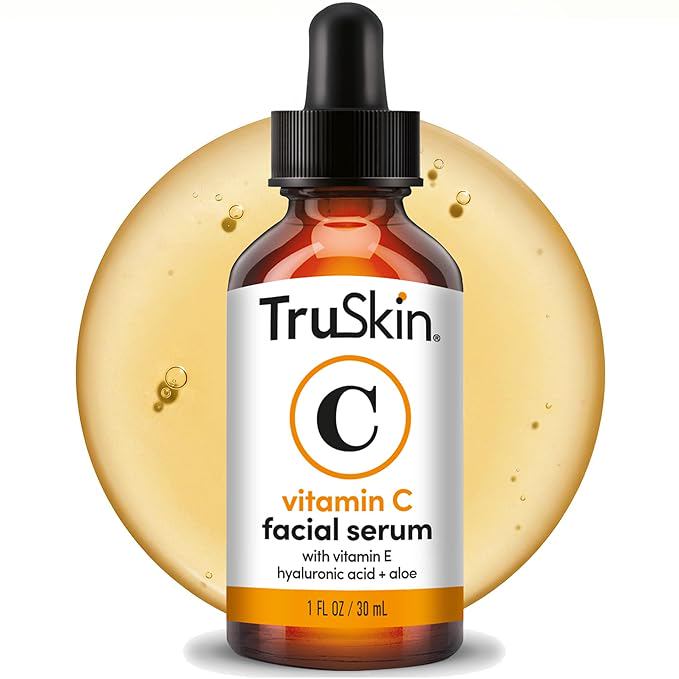
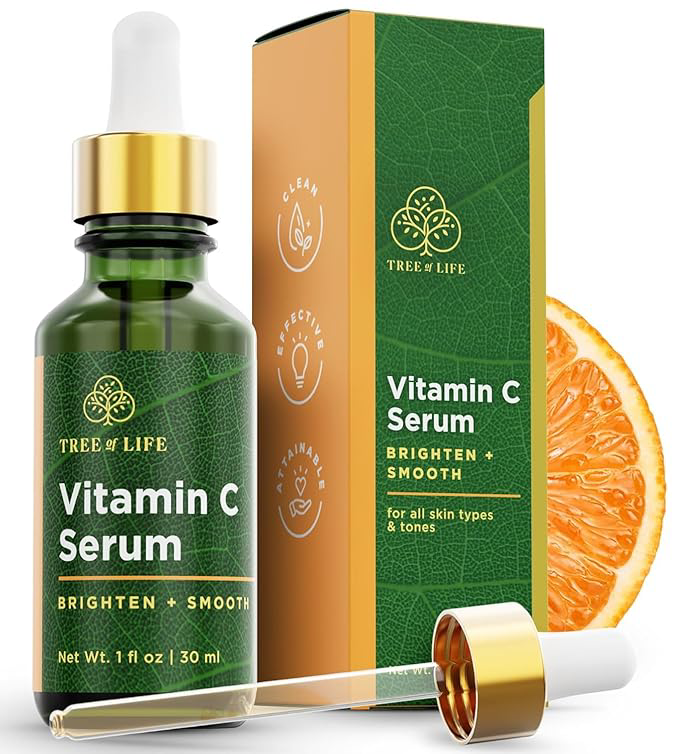
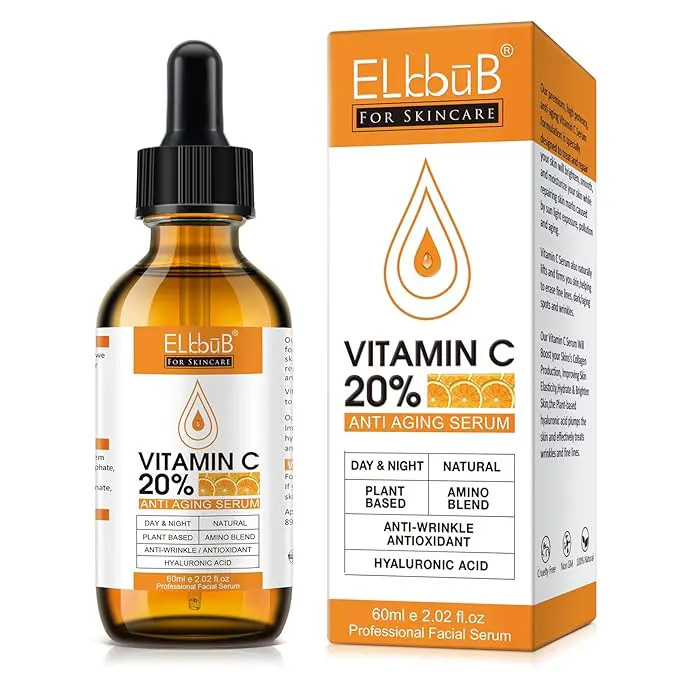
- Incorporate topical antioxidants. A morning serum with vitamin C (L-ascorbic acid) or vitamin E can complement dietary efforts. Apply it under sunscreen for layered protection. Remember that serums are not replacements for a healthy diet—they work best together.
- Protect your sleep. While you sleep, your body ramps up production of melatonin, a powerful antioxidant. Poor sleep quality reduces this natural defense, leaving skin more vulnerable. Aim for 7–9 hours of restful sleep in a dark, cool room.
- Stay hydrated with whole foods. Water is essential, but fruits and vegetables like cucumber, watermelon, and citrus also provide hydration along with antioxidants. Coffee and green tea are excellent sources of polyphenols—just be mindful of added sugar.
Your skin’s early warning signs are not permanent verdicts. They are feedback loops. By tuning in and supporting your body’s antioxidant network, you can often halt the progression of damage and restore a calmer, more radiant complexion. Listen to what your skin is saying—it likely knows more than you think.