Retinoids are among the most effective ingredients for addressing fine lines, uneven texture, and dullness. But starting or adjusting a retinoid routine can be a delicate balance. While some mild sensitivity is expected early on—often called the retinization period—there is a clear line between temporary adjustment and problematic irritation.
Many people assume that stinging, redness, or peeling are just part of the process, and they push through when they should actually pause. Learning to recognize the early warning signs of genuine irritation can help you protect your skin barrier while still getting the long-term benefits. Here are three specific signals that your retinoid routine may be causing more harm than good.
1. Persistent stinging that doesn't fade within 30 minutes
A slight, temporary tingling sensation right after applying a retinoid can occur during the first few weeks of use. This often resolves within 10 to 20 minutes as the skin adjusts. However, if you experience a sharp or persistent stinging sensation that lasts longer than half an hour—or appears hours after application—this is a red flag.
When the skin barrier is compromised by over-aggressive retinoid use, the nerve endings in deeper layers become more exposed. This can cause a recurrent stinging that intensifies when you apply your moisturizer, sunscreen, or even water. If your face consistently feels uncomfortable after your evening routine or if the stinging appears during the day without any product application, consider reducing the frequency of your retinoid use or switching to a lower concentration.
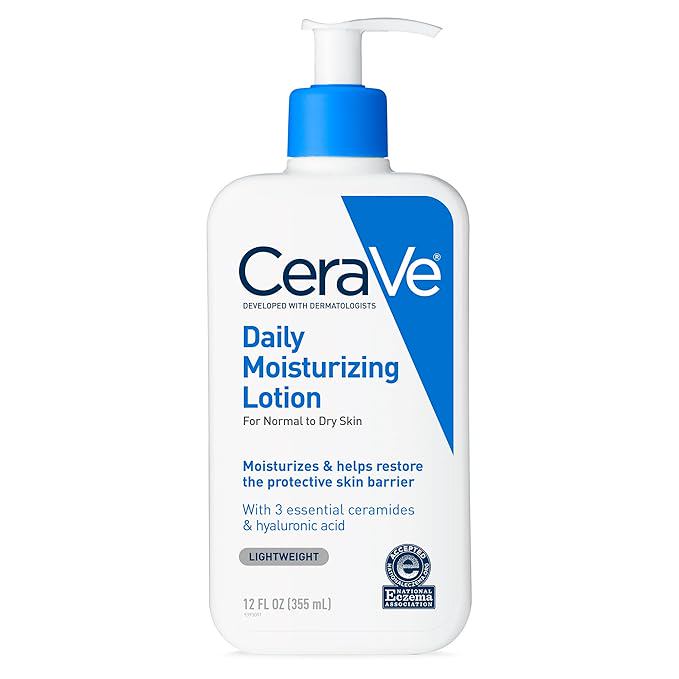
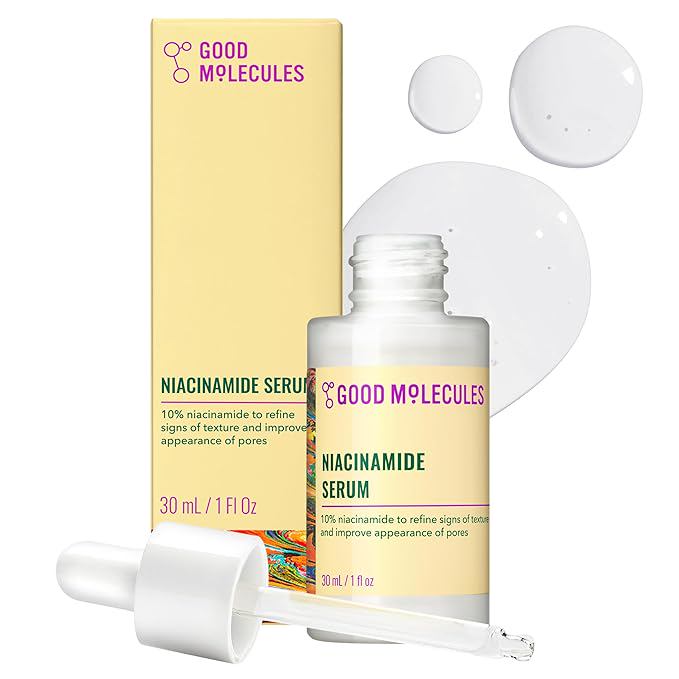
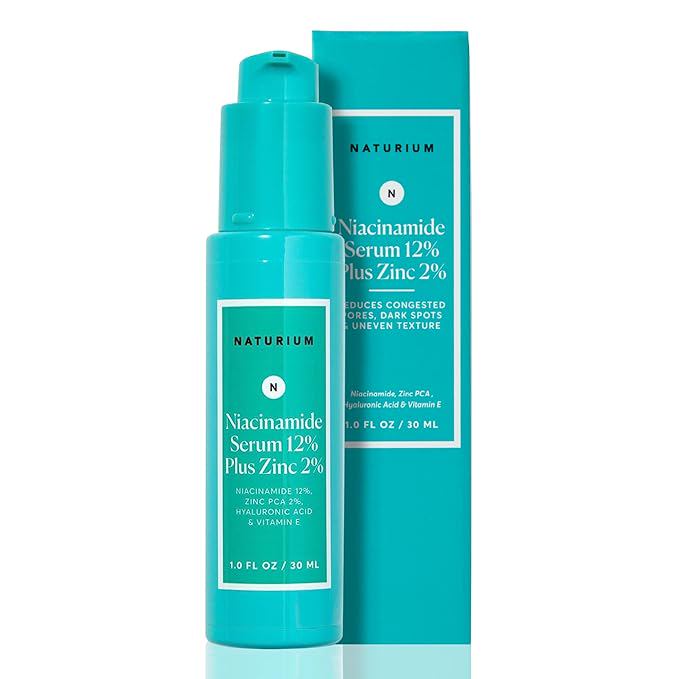
Tip: If stinging occurs, take a few nights off, then reintroduce the retinoid at half the frequency (for example, once every third night instead of every other night). Pair with a barrier-supporting moisturizer containing ceramides or niacinamide.
2. Visible peeling that spreads beyond the application site
Light flaking around the nose, mouth, or chin is common when starting retinoids. These areas naturally have thinner skin and often show peeling first. However, a warning sign of irritation is when peeling becomes visible on the cheeks, forehead, or eyelids—areas where you may not even be applying the product directly.
Retinoids can migrate across the skin as they absorb, particularly around the eyes and mouth. If you notice dry, rough patches or tiny flakes on your eyelids or the sides of your nose that persist for more than a few days, your skin barrier is struggling. This is not normal adjustment; it is contact irritation. Continuing use without modifying your routine could lead to more severe inflammation and hyperpigmentation, especially in darker skin tones.
If you see widespread peeling, stop the retinoid for four to seven days. Focus on gentle cleansing and a rich, fragrance-free moisturizer. When you resume, use a smaller amount and avoid applying it to the sensitive areas around the eyes and mouth.
3. A tight, shiny, or waxy texture on dry areas
As your skin barrier becomes compromised, the outer layer can develop a characteristic appearance: the skin of the cheeks or chin may look unusually shiny or waxy, yet feel tight and dry to the touch. This paradox—shiny but dehydrated—is a classic sign of what dermatologists call retinoid dermatitis, a low-grade inflammation caused by over-exfoliation.
This waxy look is your skin's outermost cells being shed too rapidly. Without enough intercellular lipids to hold moisture, the surface appears taut like plastic wrap. Often, this is accompanied by a fine, almost invisible peeling that doesn't actively flake but makes makeup or sunscreen apply unevenly. The skin may also feel hypersensitive to wind, heat, or even soft fabrics.
When you observe this change, consider adjusting your routine to a buffer method: apply your moisturizer first, wait 15 minutes, then apply the retinoid. This slows absorption significantly and preserves barrier function. You can also reduce the frequency to once a week for two weeks before gradually building back up.
How to tell the difference between purging and irritation
One of the most commonly confused aspects of retinoid use is distinguishing between purging and irritation. Purging causes breakouts in areas where you already tend to get acne—typically along the jawline, chin, or T-zone. These breakouts come and go within four to six weeks as clogged pores are cleared. Purging does not involve redness, stinging, or raw skin.
Irritation, on the other hand, produces breakouts in areas where you never typically break out, such as the outer cheeks, temples, or neck, and is often accompanied by redness and that persistent stinging sensation. If you see breakouts south of the jawline or on your neck, you are likely dealing with irritation rather than purging.
Final support strategies for a happier retinoid routine
- Frequency matters more than strength. Using a high-strength product once a week can cause more irritation than using a lower-strength product three times a week. Start low and slow.
- Skip other active ingredients. When using a retinoid, temporarily pause other exfoliating products like vitamin C, AHAs, and BHAs in the same routine. Use them on opposite mornings or on your nights off from retinoids.
- Always apply retinoids to dry skin only. Applying to damp or wet skin increases absorption significantly and raises your risk of irritation.
- Sun protection is non-negotiable. Retinoids increase photosensitivity. Use a broad-spectrum sunscreen of SPF 30 or higher every day, even indoors.
Retinoids are a long game. The goal is consistency over years, not intensity over weeks. By paying close attention to these three warning signs—persistent stinging, spreading peeling, and a waxy texture—you can adjust your approach before serious irritation sets in. Your skin will thank you with a smoother, brighter, and healthier complexion in the long run.