Pregnancy is a time of profound change, and your body will send countless signals as it adjusts. While many shifts are perfectly normal, some symptoms serve as important red flags. Knowing which sensations warrant a call to your healthcare provider can provide peace of mind and ensure you and your baby get the right care at the right time.
It’s a delicate balance—tuning into your body without spiraling into anxiety with every new twinge. The goal isn’t to fear every symptom, but to recognize the specific ones that truly require professional evaluation. Let’s focus on three critical warning signs that should always prompt a conversation with your doctor or midwife.
Severe or Persistent Abdominal Pain
It’s common to feel some mild cramping or pulling sensations, often likened to menstrual cramps, in early pregnancy as your uterus begins to expand. This is typically intermittent and manageable.
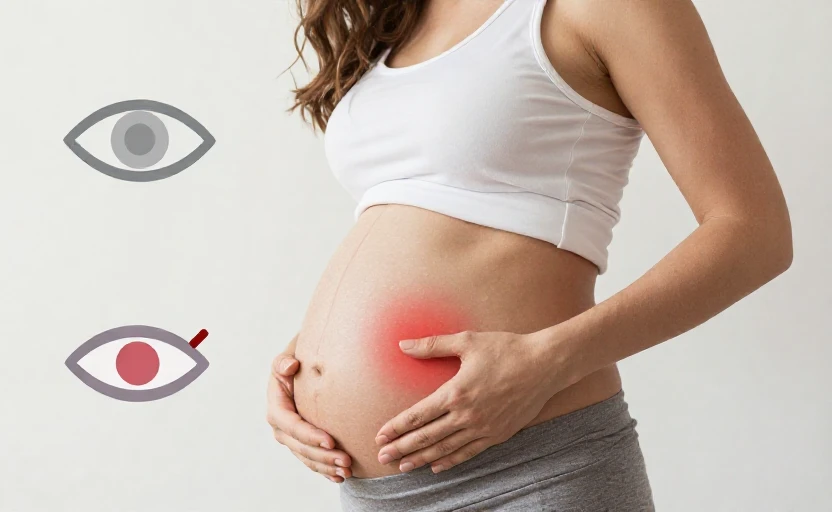
The pain that causes concern is different. Severe abdominal pain—sharp, stabbing, or constant—is not a normal part of early pregnancy. This is especially true if the pain is concentrated on one side. It could indicate an ectopic pregnancy, where the embryo implants outside the uterus, usually in a fallopian tube. This is a medical emergency that requires immediate attention.
Any severe, one-sided, or worsening abdominal pain needs to be evaluated without delay.
Persistent pain, even if not sharp, that doesn’t subside should also be discussed with your provider. It may be related to other conditions that need management during pregnancy.
Heavy Vaginal Bleeding
Light spotting can occur in early pregnancy, often around the time a period would be due. This implantation bleeding is usually very light (pink or brown discharge) and lasts a day or two.
Heavy bleeding, however, is a major warning sign. We’re talking about bleeding that soaks through a pad in an hour, includes clots, or is accompanied by cramping. This level of bleeding could signal a miscarriage or another serious complication.
- Bright red blood: Any significant flow of fresh, red blood warrants an immediate call to your provider.
- Passing tissue: If you see clots or tissue, try to collect it in a clean container for possible examination by your doctor.
- With pain: Bleeding combined with cramping or abdominal pain increases the urgency for medical evaluation.
Don’t wait to see if it “gets better.” Contact your healthcare team right away for guidance.
Sudden or Severe Headaches, Vision Changes, or Swelling
While an occasional headache can be due to hormones, stress, or dehydration, a set of specific neurological symptoms can point to a serious condition called preeclampsia. Though more common later in pregnancy, it can develop earlier.
Be alert to a sudden, severe headache that doesn’t respond to acetaminophen, rest, or hydration. This is particularly concerning if it’s accompanied by:
- Vision changes like seeing spots, flashes of light, or blurriness
- Sudden, significant swelling in your face, hands, or feet
- Pain in your upper right abdomen, just below your ribs
- Shortness of breath
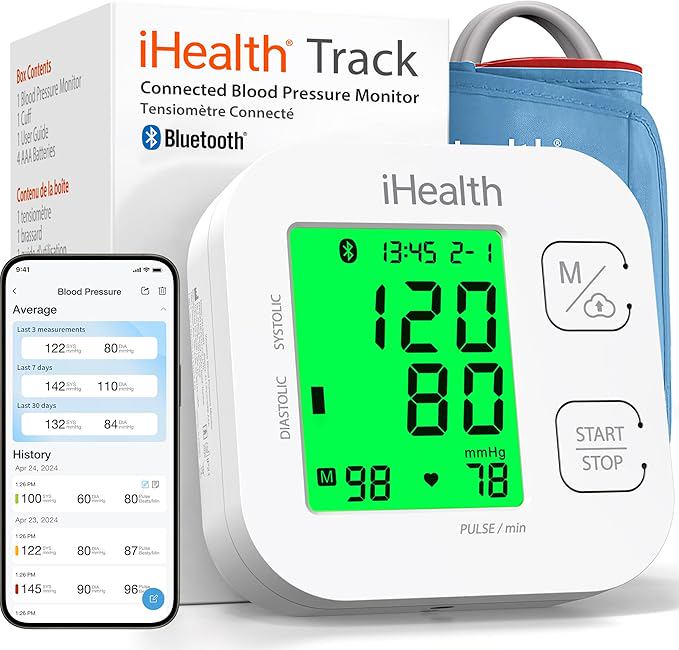
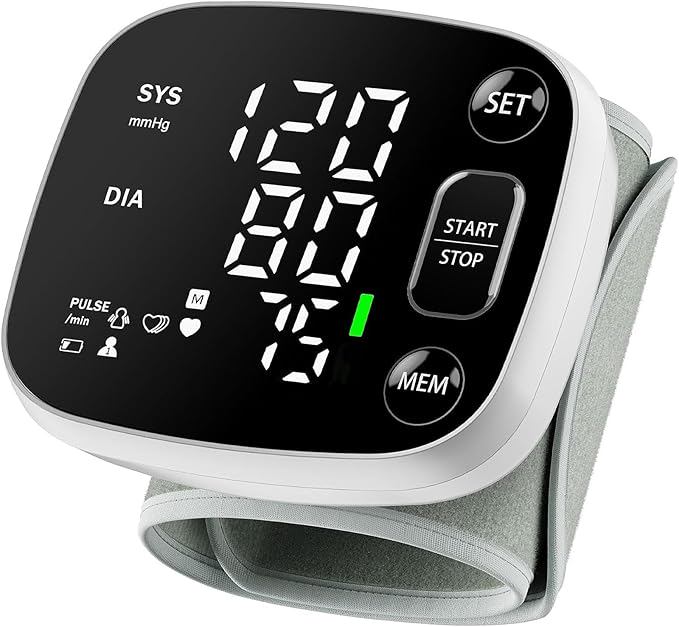
These symptoms together suggest your blood pressure may be dangerously high, which requires prompt medical management to protect both you and your pregnancy.
When in Doubt, Reach Out
This list isn’t exhaustive. A sudden loss of pregnancy symptoms, a high fever, or intense dizziness are also valid reasons to call. Your intuition matters. If something feels profoundly wrong or different from the typical discomforts your provider has outlined, trust that feeling.
The most important takeaway is to establish clear communication with your prenatal care provider early on. Ask them: “What specific symptoms should prompt me to call the after-hours line?” Having that personalized guidance is the best tool you have. Your well-being is the foundation of a healthy pregnancy, and paying attention to these warning signs is a crucial part of that care.