If you live with irregular periods and heavy cramping, you already know the search for relief is personal and ongoing. What you eat and drink plays a bigger role than many realize. Certain beverages can disrupt hormone balance, increase inflammation, or stress the adrenal system, all of which can worsen period irregularities and make cramps more intense.
Below are three drinks worth reconsidering if you experience irregular cycles and debilitating cramps. Simply swapping or reducing them could make a real difference.
1. Sugary energy drinks and soda
It is no secret that added sugar causes inflammation, but its effect on menstrual health is often underestimated. High sugar intake spikes insulin levels, which can throw off the delicate balance of estrogen and progesterone. For anyone with irregular periods, that rollercoaster can delay or skip ovulation entirely.
Cramps, meanwhile, are driven by prostaglandins—inflammatory chemicals that make the uterus contract. Sugar-saturated beverages amplify that inflammatory response, meaning those contractions can feel sharper and last longer.
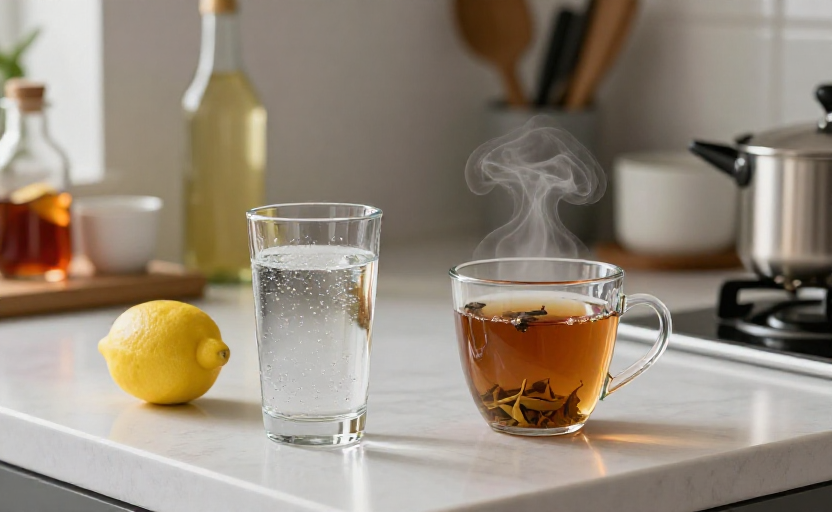
A practical swap: Try sparkling water with a splash of lemon or a few berries. You still get a fizzy treat without the sugar load.
2. Caffeinated coffee and tea (when consumed heavily)
A morning coffee is a habit many people rely on, but too much caffeine has a real effect on menstrual function. Caffeine constricts blood vessels, which can aggravate cramping by reducing blood flow to the pelvic region. It also stimulates the nervous system, potentially making the body more sensitive to pain.
For irregular periods, caffeine's effect on cortisol is a concern. When your adrenal glands are constantly triggered by caffeine, it can disrupt the hypothalamic-pituitary-ovarian axis—the command center for your cycle. This may contribute to anovulation (cycles without ovulation) and unpredictable bleeding patterns.
That doesn't mean you must quit coffee entirely. If you have heavy cramps or an erratic cycle, notice how you feel after two or three cups versus one. Many women find that limiting caffeine to one cup before noon—or switching to half-caff—eases both cramp intensity and cycle regularity over time.
3. Alcohol, especially during the luteal phase
Alcohol impacts the liver's ability to metabolize estrogen. Since estrogen dominance is a common driver of heavy bleeding and irregular cycles, adding alcohol during the week before your period can push that balance further off track.
Alcohol also dehydrates you, and dehydration can worsen muscle cramps—including in the uterus. It disrupts sleep quality, which matters because poor sleep raises cortisol levels and inflammation, creating a perfect storm for painful periods.
If you choose to drink, try reserving alcohol for the first half of your cycle (follicular phase) rather than the week before your period. Even cutting back by one drink per week can reduce cramping for some women.
Small changes in what you drink can support a smoother cycle and less painful periods. Paying attention to your body's response is the most powerful tool you have.