
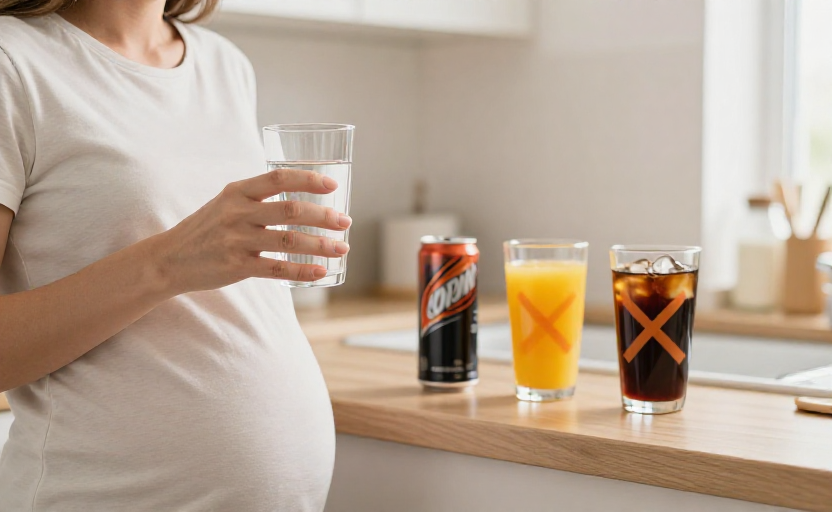
When you're managing gestational diabetes, every sip counts. Blood sugar regulation during pregnancy is delicate, and what you drink can send your glucose levels on a rollercoaster just as quickly as what you eat. Dietitians who specialize in pregnancy nutrition consistently point to three beverages that tend to cause the biggest spikes — and surprisingly, some of them are marketed as healthy.
Why Drinks Matter with Gestational Diabetes
Liquids are absorbed faster than solid food, so sugary beverages hit your bloodstream almost immediately. For someone with gestational diabetes, the body's natural insulin resistance (which ramps up in the second and third trimesters) makes clearing that sugar especially tough. Dr. Elizabeth Ward, registered dietitian and co-author of Expect the Best: Your Guide to Healthy Eating Before, During, and After Pregnancy, explains that “even small amounts of liquid sugar can overwhelm the pancreas when it's already working overtime.” This can lead to rapid blood glucose spikes and, over time, may complicate pregnancy outcomes if left unchecked.
The Three Drinks Dietitians Say to Skip
1. Regular soda and sugary soft drinks
This one might seem obvious, but it bears repeating: a standard 12-ounce can of cola packs about 39 grams of added sugar — roughly 10 teaspoons. With zero fiber, protein, or fat to slow digestion, that sugar enters your bloodstream within minutes. Dietitians advise swapping soda for sparkling water with a splash of lemon or lime. If you're craving carbonation and sweetness, try a splash of tart cherry juice in seltzer (just watch the portion).
2. Fruit juice (even 100% juice)
Juice feels wholesome, but it's a concentrated sugar source without the fruit's natural fiber. A small glass of orange juice can contain 20–25 grams of carbohydrates from sugar alone. “Many women assume juice is a safe choice because it says 'no added sugar,' but the sugar in juice is naturally occurring and still raises blood glucose quickly,” says registered dietitian nutritionist and certified diabetes care and education specialist Toby Smithson. She recommends eating the whole fruit instead — an orange, for instance, provides fiber and a slower glucose release.
3. Sweetened coffee and tea drinks
That caramel latte or bottled iced tea may be hiding 30–60 grams of sugar per serving. Even “light” versions at coffee shops can contain 15–20 grams. Dietitians suggest sticking to plain coffee or unsweetened tea, and if you need a flavor boost, try a sprinkle of cinnamon or a dash of vanilla extract. For iced versions, brew your own and chill it, then add a splash of unsweetened almond milk.
What You Can Drink Instead
Water is always the gold standard. But if you're looking for variety, unsweetened herbal teas (check that they're pregnancy-safe), infused water with cucumber and mint, and plain seltzer with a twist of citrus are all excellent choices. Low-fat or skim milk can also be part of a balanced blood sugar plan because the protein and fat help moderate glucose response — just be mindful of portions.
Some dietitians also point to bone broth as a warm, savory option that provides protein and electrolytes without carbs. And if you're craving sweetness, consider a small amount of stevia or monk fruit sweetener — both are considered safe in moderation during pregnancy and won't raise blood sugar.
A Note on Portion Sizes and Timing
Even the “allowed” drinks matter in context. If you drink a large glass of milk with a carb-heavy meal, your total carbohydrate load may exceed what your body can handle. Registered dietitian and diabetes educator Erin Palinski-Wade suggests pairing any beverage containing carbohydrates with a source of protein or fat — for example, a small glass of milk with a handful of almonds — to slow the glucose absorption.
Tip: Keep a water bottle nearby and sip throughout the day. Staying well hydrated helps your kidneys flush out excess glucose and can reduce the risk of urinary tract infections, which are more common in pregnancy.
Making smart drink choices is a simple but powerful way to keep blood sugar steady. By avoiding soda, juice, and sweetened coffee drinks — and replacing them with water, unsweetened teas, and small portions of milk — you're giving yourself and your baby a smoother metabolic ride. As always, talk with your healthcare team or a registered dietitian for guidance tailored to your specific blood sugar targets and pregnancy needs.