For anyone who deals with chronic period cramps, the search for relief can feel endless. You've tried heating pads, gentle stretches, maybe even over-the-counter pain relief. But there's one factor you might be overlooking: what's in your glass. Certain drinks can make uterine muscles contract more forcefully, increase inflammation, or dehydrate tissues — all of which can turn manageable discomfort into debilitating pain. If you live with severe cramps month after month, cutting out these three beverages could make a meaningful difference.
Why your drink choice matters for cramps
Period pain happens when the uterine lining produces hormone-like substances called prostaglandins. These chemicals trigger the uterine muscles to contract, which helps shed the lining. Higher levels of prostaglandins mean stronger, more painful contractions. What you drink can either amplify that process or help calm it. Beverages that stimulate the nervous system, promote water loss, or spike blood sugar can worsen the inflammatory environment that fuels cramps.
1. Caffeinated coffee and tea
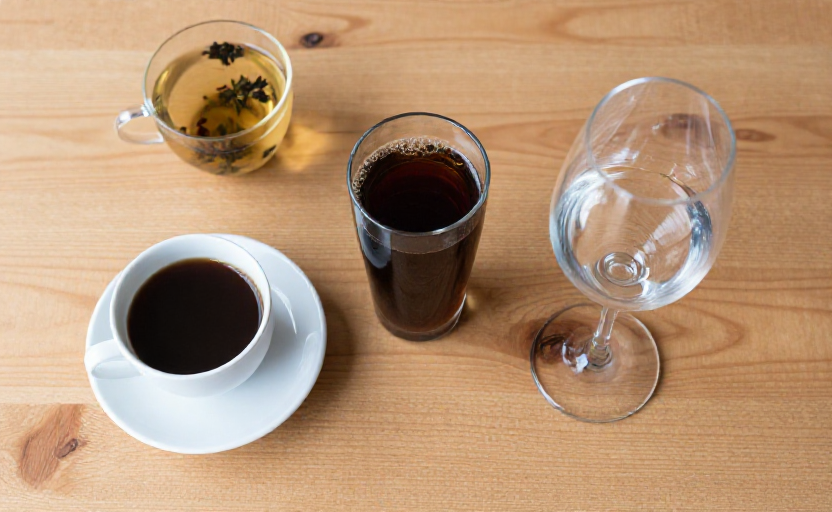
A morning cup of coffee is a ritual for many, but during your period it could be working against you. Caffeine is a vasoconstrictor — it narrows blood vessels, which can reduce blood flow to the uterus and intensify cramping. It also increases tension in the muscles and can worsen anxiety or irritability, both of which tend to be heightened during menstruation. Additionally, caffeine has a mild diuretic effect, which can lead to dehydration. When your body is dehydrated, muscle cramps can become more frequent and more severe.
If you can't give up your morning brew entirely, consider switching to a lower-caffeine option like green tea (which also has anti-inflammatory compounds) or limiting yourself to one small cup earlier in the day.
2. Sugary sodas and energy drinks
High-sugar soft drinks and energy drinks cause rapid spikes and crashes in blood sugar. These fluctuations can stimulate the release of stress hormones like cortisol and adrenaline, which in turn can increase inflammation throughout the body. Inflammation is a key driver of menstrual pain. A 2018 study in the Nutrition Journal found that women who consumed more sugar-sweetened beverages reported significantly more period pain than those who drank fewer. The caffeine in many sodas and energy drinks only adds to the problem. The sugar-caffeine combination creates a double hit of vasoconstriction and inflammation.
3. Alcohol
Alcohol is a central nervous system depressant that can temporarily numb pain, but the after-effects are generally worse for cramps. Alcohol dehydrates the body, disrupts sleep, and interferes with liver function — and the liver is essential for metabolizing excess estrogen. When estrogen levels remain high, the uterine lining can become thicker, leading to heavier, more painful periods. Alcohol also dilates blood vessels at first, which can increase blood flow and make heavy bleeding worse. Many people notice that their cramps intensify the day after drinking, partly due to dehydration and partly due to alcohol's pro-inflammatory effects.
A simple rule: If it makes you feel jittery or puffy, it's probably not helping your cramps.
What to drink instead
Replacing the three problem drinks with better options can reduce cramp severity over time. Good choices include:
- Water — Staying hydrated keeps muscles supple and reduces the likelihood of painful spasms. Aim for at least 8 glasses a day, more if you're active.
- Ginger tea — Ginger has well-documented anti-inflammatory properties. A warm cup can soothe the digestive tract and may reduce prostaglandin levels.
- Chamomile tea — Known for its gentle muscle-relaxant and anti-anxiety effects, chamomile may help ease both physical tension and the stress that accompanies pain.
- Warm water with lemon — Simple, hydrating, and free of any compounds that stimulate or inflame. Lemon adds a small amount of vitamin C, which supports immune function.
- Tart cherry juice — Some research suggests that tart cherry juice can reduce markers of inflammation and improve sleep quality, both of which are helpful during menstruation.
Making changes that stick
You don't have to eliminate all three drinks at once. Start by swapping your afternoon soda for sparkling water with a slice of citrus. Replace one cup of coffee with a caffeine-free herbal tea. If you typically have wine or a cocktail in the evening, try tart cherry juice or a warm mug of ginger tea instead. Small adjustments made over two or three cycles can help you identify which change brings the most relief. Listen to your body — it will tell you what's working.
No single dietary change will erase every cramp, but reducing beverages that inflame and dehydrate is a low-effort, high-impact step. Combined with other self-care practices like gentle movement, heat therapy, and adequate sleep, it can shift your period from something you dread to something you simply manage.