
Mood swings during menopause can feel like being on an unpredictable emotional roller coaster—one moment you're calm, the next you're tearful or irritable over something small. While the hormonal shifts of perimenopause and menopause are a natural biological process, the way they affect your daily life doesn't have to be something you just endure. Small changes to what you drink each day can help stabilize those ups and downs.
Here are three science-backed drinks that target the underlying hormonal imbalances linked to mood changes during menopause. Each one offers specific compounds that support your endocrine system and help smooth out emotional volatility—without requiring a complete overhaul of your diet or lifestyle.
1. Spearmint Tea: A Natural Cortisol Modulator
Spearmint tea goes far beyond a pleasant, refreshing flavor. Studies suggest that drinking two cups of spearmint tea daily can significantly lower free testosterone levels in the blood. For women navigating menopause, this can be particularly important because even subtle androgen imbalances can worsen irritability and anxiety.
Beyond its impact on androgens, spearmint contains rosmarinic acid and other polyphenols that reduce oxidative stress and inflammation in the brain. Lower inflammation often translates to fewer mood extremes. The tea is also naturally caffeine-free, meaning it won't trigger the jitteriness or sleep disruption that can worsen emotional fragility.
As an added bonus, spearmint tea's aroma alone has been shown in small studies to decrease mental fatigue and enhance alertness—a dual benefit for those dealing with brain fog alongside mood swings.
2. Tart Cherry Juice: Melatonin and Anti-Inflammatory Power
Tart cherry juice is one of the few natural sources of melatonin, the hormone that regulates your sleep-wake cycle. Sleep disruption is both a symptom and a trigger of menopause-related mood swings. When you don't sleep deeply, your body produces more cortisol the next day, which can pull your emotions further off balance.
What sets tart cherry juice apart is its high concentration of anthocyanins—the pigments that give the fruit its deep red color. These compounds are powerful anti-inflammatories that can help lower systemic inflammation, which tends to rise during the menopausal transition. Chronic inflammation is increasingly recognized as a contributor to depression and mood instability.
For best results, choose unsweetened tart cherry juice and aim for about one 8-ounce glass about 30 to 60 minutes before bed. Avoid the sweetened varieties, as added sugar can spike insulin and counteract the hormonal benefits.
3. Golden Milk (Turmeric Latte): Adaptogenic Calm
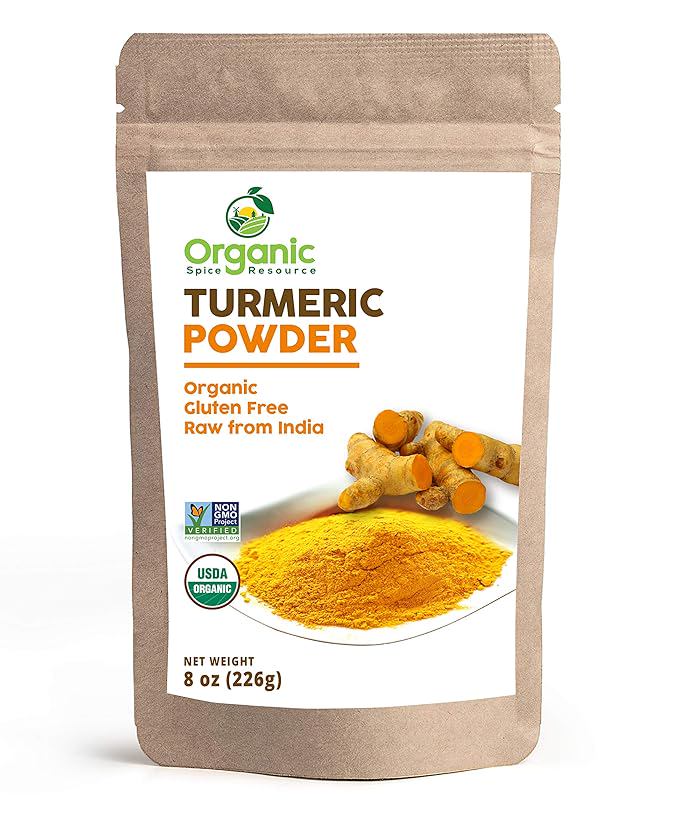
Golden milk—a warm beverage made from turmeric, black pepper, and a milk of your choice—offers a combination of anti-inflammatory and adaptogenic properties. Turmeric's active compound, curcumin, is one of the most studied natural anti-inflammatories. Since low-grade inflammation contributes to both mood disorders and hormonal disruption, curcumin can be especially helpful during menopause.
Adding black pepper is essential because piperine increases curcumin absorption by up to 2,000 percent. Pairing it with a source of healthy fat, such as full-fat oat milk or a splash of coconut milk, further enhances bioavailability. Many recipes also include ginger and cinnamon, both of which help stabilize blood sugar—a key factor in avoiding the energy crashes that often precede mood dips.
Drinking golden milk in the evening can become a calming ritual that signals your nervous system to shift out of fight-or-flight mode. This parasympathetic activation helps lower cortisol and prepares your brain for restorative sleep.
Small hydration habits matter enormously during menopause. Your body's ability to regulate temperature, process stress hormones, and maintain neurotransmitter balance all depend on adequate fluid intake. Making one or two of these drinks a regular part of your daily routine can help flatten the emotional peaks and valleys that make menopause so challenging.
Start slowly—try swapping your afternoon coffee for spearmint tea or replacing an evening snack with a cup of golden milk. Over the course of a few weeks, pay attention to patterns in your mood and energy. Consistency matters more than quantity when it comes to hormonal support through nutrition.