When desire dips and hormones feel like they are on a roller coaster, it is natural to wonder if something as simple as a drink could help. Many women navigating menopause look for gentle, food-first approaches before considering other options. While no single beverage is a magic switch, recent research and traditional wisdom point to a few drinks that may support hormonal harmony and, in turn, a healthy libido.
These three drinks stand out not because they promise quick fixes, but because the compounds they contain have a plausible, research-backed role in hormone health, blood flow, and stress management. The goal here is not self-prescription but understanding: what science says, what safety looks like, and how these drinks might fit into a broader approach to menopause wellness.
What does hormone balance have to do with desire?
Libido is not a simple on-off switch. It lives at the intersection of hormones, sleep, stress, relationship satisfaction, and physical comfort. During perimenopause and menopause, estrogen and testosterone levels decline naturally. Lower estrogen can mean less lubrication and sensation; lower testosterone can mean less spontaneous desire. At the same time, cortisol — the stress hormone — often rises, which can further suppress sex drive.
The drinks discussed below target some of these pathways. They do not replace hormone therapy or treat diagnosed conditions, but they may offer nutritional support for the endocrine system at a time when it needs it most.
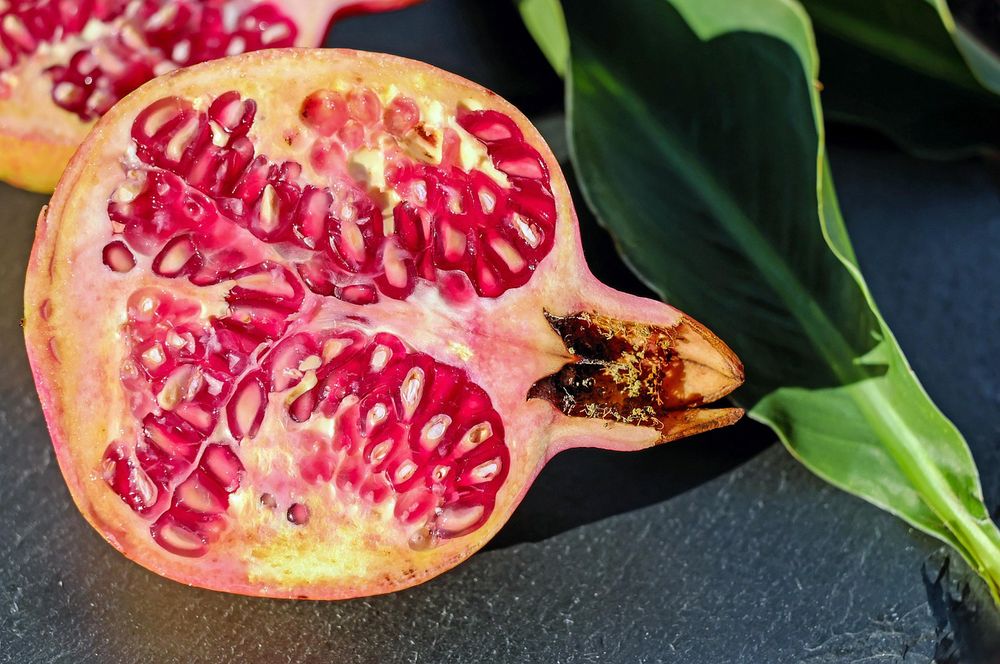
1. Pomegranate juice
Pomegranate juice has earned attention for its phytoestrogen content — plant compounds that weakly mimic estrogen in the body. While the effect is far milder than hormone replacement therapy, a 2017 study in Sexual Medicine found that postmenopausal women who drank a glass of pomegranate juice daily for four weeks reported improvements in sexual desire, lubrication, and overall satisfaction compared to a placebo group. The researchers attributed this partly to pomegranate's ability to lower oxidative stress in blood vessels, which supports healthy blood flow — essential for arousal and genital sensitivity.
A practical caveat: Look for 100% pomegranate juice with no added sugar. A standard serving is about 6 to 8 ounces. If you are on blood-pressure or statin medications, check with your prescriber, as pomegranate can interact with certain drugs (especially those metabolized by the liver's CYP3A4 enzyme).
2. Green tea (especially matcha)
Green tea is rich in L-theanine, an amino acid that promotes a calm, focused state without drowsiness. Because cortisol is a known libido suppressor, anything that gently dials down stress may help desire resurface. A small 2020 study in Nutrients suggested that regular green tea consumption was associated with lower cortisol levels in women under chronic stress. Less cortisol can mean more room for the sex hormones to do their work.
Green tea also contains a catechin called epigallocatechin gallate (EGCG), which has anti-inflammatory properties. Chronic inflammation can disrupt the hypothalamic-pituitary-adrenal (HPA) axis — the master regulator of hormone output. By quieting inflammation, EGCG may support more stable hormone signaling.
Matcha, a powdered form of green tea, provides a more concentrated dose of both EGCG and L-theanine. One cup of matcha can deliver roughly three times the antioxidants of a standard brewed green tea. If caffeine sensitivity is a concern, limit matcha to morning or early afternoon, or opt for a standard green tea instead.
3. Ashwagandha tea or latte
Ashwagandha is an adaptogenic herb used in Ayurvedic medicine for centuries. Adaptogens are believed to help the body handle stress more effectively. A 2019 randomized controlled trial published in Cureus found that adults taking ashwagandha extract daily reported significantly lower cortisol levels and improved general well-being after 60 days compared to placebo. Several smaller studies have also noted self-reported increases in sexual function and satisfaction among women supplementing with ashwagandha.
For menopause specifically, the appeal lies in its cortisol-lowering effect. When the adrenal glands are not overproducing cortisol, the body has more precursor hormones available for making estrogen and testosterone — a process sometimes called the "pregnenolone steal" hypothesis.
Safety notes: Ashwagandha is not recommended during pregnancy, breastfeeding, or for people with hyperthyroidism or autoimmune thyroid conditions (it may increase thyroid hormone levels). Those on medications for blood pressure, blood sugar, or benzodiazepines should consult a doctor before use. The tea form is generally gentler than concentrated extracts — start with one cup a day and pay attention to how you feel.
Other considerations for hormone-friendly sipping
- Hydration first. Even mild dehydration can cause fatigue and reduce vaginal lubrication. Plain water is the baseline for all body chemistry. These three drinks are additions, not replacements for water.
- Watch the sugar. Added sugar spikes insulin, and high insulin can disrupt the balance between estrogen and progesterone. Avoid sweetened versions of these drinks. A small amount of raw honey in a warm latte is reasonable for most people; regular sugar syrups are not.
- Caffeine timing. Caffeine affects cortisol differently depending on your baseline stress. If you are prone to anxiety or insomnia, limit caffeinated drinks to before noon. Matcha and green tea have less caffeine than coffee, but they still add up.
- Consistency over quantity. One glass of pomegranate juice or one cup of ashwagandha tea daily over several weeks is more likely to produce subtle effects than occasional large amounts.
When drinks are not enough
These beverages can be part of a supportive routine, but they are not a substitute for medical evaluation. A sudden drop in desire, painful intercourse, or severe hormonal symptoms like hot flashes, night sweats, and mood instability deserve a conversation with a healthcare provider. Hormone therapy, pelvic floor physical therapy, and mental health support are evidence-based options that address root causes more directly than diet alone.
The big picture: No drink can single-handedly restore a youthful hormone profile. What these three beverages offer is a low-risk, pleasant way to support the body's natural systems — blood flow, stress response, and phytoestrogen intake — while you consider other wellness steps. Think of them as the calm, steady background notes in a larger composition of sleep, movement, connection, and medical care.
Balance, after all, is rarely about one thing. It is the accumulation of small choices that respect where your body is right now. A glass of pomegranate juice in the afternoon, a slow cup of matcha in the morning, or a warm mug of ashwagandha tea before bed — each is a gentle signal to your nervous system and your hormones that you are paying attention. And that attention, in itself, can be a powerful ingredient.