For anyone who has dealt with cystic acne past their teenage years, the frustration is familiar. It is not just a blemish; it is a deep, tender, often painful bump that can linger for weeks and leave a lasting mark. While topical treatments and dermatological visits are essential tools, what you put on your fork may also play a supporting role in calming the fire beneath the skin. As a health editor who has reported on the intersection of diet and dermatology for years, I have found that focusing on three specific, evidence-rooted dietary shifts can make a tangible difference for adults struggling with cystic hormonal acne. This is not about a drastic cleanse or eliminating entire food groups—it is about strategic, gentle nutrition that supports your body's natural hormone balance and inflammation response.
How the Plate Affects the Pimple
Hormonal acne in adults—often manifesting along the jawline, chin, and neck—is driven by fluctuations in androgens (like testosterone), insulin, and cortisol. When insulin spikes sharply after a meal high in refined carbohydrates or sugar, it can trigger a cascade of events: increased sebum production, skin cell turnover gone awry, and inflammation. The goal of these three diet changes is to stabilize that insulin response, reduce systemic inflammation, and provide the skin with the raw materials it needs to repair itself. Remember, what works for one person may not work for another, and food is not a substitute for medical care—but it is a powerful lever many of us overlook.
1. Swap Fast-Burning Carbs for Slow-Burning Ones
The single most impactful change I see in clinical research and in conversations with registered dietitians who specialize in dermatology is moving toward low-glycemic-load eating. This does not mean banishing all carbohydrates; it means rethinking the kinds of carbs most people reach for at breakfast, lunch, and snacks.
Why it works
High-glycemic foods—white bread, sugary cereals, white rice, soda, pastries—are rapidly digested, causing a quick surge in blood sugar and insulin. This spike can trigger androgen receptors in the skin, ramping up oil production and inflammation markers. A 2007 study in the American Journal of Clinical Nutrition and more recent reviews have consistently linked high-glycemic diets with more severe acne, particularly in adults. When you replace these with low-glycemic, high-fiber options, your blood sugar rises slowly, insulin stays steady, and the hormonal domino effect is blunted.
What this looks like in practice
- Breakfast: Instead of a bagel or sugary granola, try a protein-rich scramble with vegetables and avocado, or overnight oats made with steel-cut oats and chia seeds.
- Lunch: Swap a sandwich made with white bread for a quinoa bowl with beans, leafy greens, and a tahini dressing.
- Snacks: Choose an apple with almond butter, carrot sticks with hummus, or a handful of nuts over a granola bar or pretzels.
- Caveat: Focus on whole, minimally processed foods: legumes, bulgur, barley, sweet potatoes (in moderation), and non-starchy vegetables are your friends.
The shift does not need to be all-or-nothing. Even replacing one or two high-glycemic meals per day can begin to calm the insulin response.
2. Incorporate Anti-Inflammatory Fats and Omega-3s
Hormonal cystic acne is an inflammatory condition at its core. The cyst forms because the deeper layers of the skin become intensely inflamed. While topical treatments address the surface, dietary anti-inflammatories work from the inside out. The most researched and effective ones for skin health are omega-3 fatty acids, particularly EPA (eicosapentaenoic acid), which can help reduce the inflammatory compounds involved in acne lesions.
Where to find them
Ideally, you want to get omega-3s from whole foods, though a supplement (under your doctor's guidance) can help if dietary gaps remain. The best food sources are:
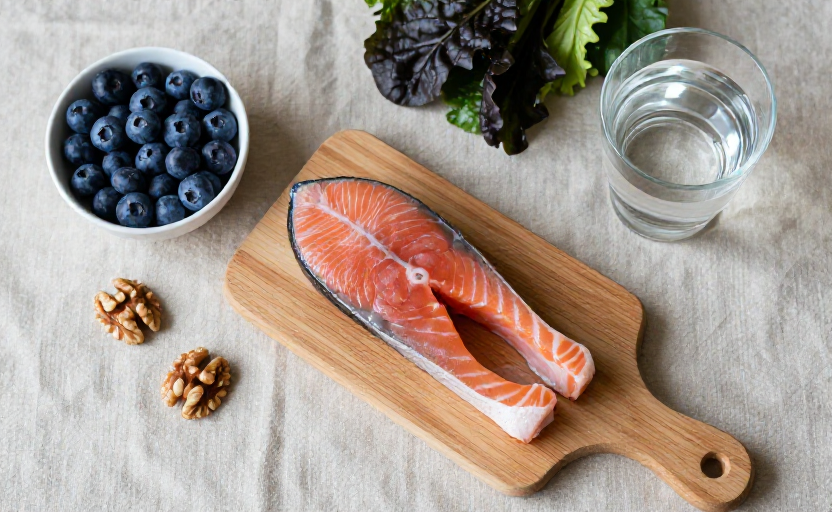
- Fatty fish: Salmon, mackerel, sardines, anchovies, and herring. Aim for at least two servings per week.
- Plant-based sources: Ground flaxseeds, chia seeds, hemp seeds, and walnuts. Note that the conversion of plant-based ALA to the active EPA is limited, so these are helpful but not as potent as fish.
- Avocados and olive oil: Rich in monounsaturated fats and anti-inflammatory antioxidants like vitamin E and polyphenols.
Editor's tip: Do not overlook the role of zinc, found in pumpkin seeds, chickpeas, and oysters. Zinc supports wound healing and has been shown to reduce inflammatory acne lesions in several clinical trials. A zinc-rich diet pairs beautifully with omega-3 foods for a one-two punch against inflammation.
On the flip side, try to reduce inflammatory fats. This means cutting back on processed seed oils (soybean, corn, sunflower) found in many fried and packaged foods, as well as excessive omega-6 linoleic acid from sources like refined vegetable oils. A healthier ratio of omega-3 to omega-6 is a consistent theme in acne-friendly eating patterns like the Mediterranean diet.
3. Pay Attention to Dairy—Especially Low-Fat Options
This is the most debated change, and it does not apply to everyone. However, for a subset of adults with cystic hormonal acne, dairy—particularly skim milk—can be a significant trigger. The link is not fully understood, but several large epidemiological studies have found an association between dairy consumption and acne. One leading theory is that the hormones naturally present in cow's milk (including bovine insulin-like growth factor-1, or IGF-1) and the added whey proteins can stimulate the skin's sebaceous glands similarly to how insulin does.
Is all dairy the same?
Interestingly, the evidence is stronger for skim and low-fat milk than for full-fat milk and cheese. Some researchers hypothesize that the fat in whole milk may have a buffering effect on the glycemic response of the milk sugar (lactose), or that processing of low-fat dairy may concentrate the bioactive proteins. Yogurt and cheese seem to have a weaker, if any, link—possibly because the fermentation process breaks down some of the problematic components.
How to test it
If you suspect dairy is an issue for you, do not cut it all out at once. Instead, try a two-to-three-week elimination of all milk and cream, but keep yogurt and hard cheeses if you tolerate them well. Replace milk with unsweetened almond, oat, or soy milk (check for added sugars). Keep a skin diary. After three weeks, reintroduce a serving of skim milk daily for a week and note any new breakouts within 48 to 72 hours.
This approach works better than a total dairy purge because it identifies the specific culprit—and for many, the culprit is not cheese or yogurt at all. If you do not see a change after the elimination, dairy is almost certainly not a primary driver of your acne, and you can return to moderate consumption without guilt.
A caveat on elimination diets: If you have a history of disordered eating or food anxiety, work with a therapist or dietitian before starting any restriction. Your mental health matters more than a few cystic bumps.
A Gentle Note on Patience and Progress
Hormonal cystic acne cycles are deeply tied to your monthly hormonal rhythms, which means results from dietary changes rarely happen overnight. You are asking your body to recalibrate its insulin and inflammatory responses, and that takes consistent, gentle effort over 8 to 12 weeks. Some people see a reduction in new cyst formation within two cycles of a menstrual period; others need more time. It is also common for one change (like lowering sugar) to help more than another (like reducing dairy). Pay close attention to your own body's feedback.
Finally, these are non-medical suggestions for general wellness. If you have deep, painful cysts that scar or do not respond to diet changes, a board-certified dermatologist is your best partner. They can offer prescription treatments like spironolactone, topical retinoids, or oral contraceptives that address the hormonal root more directly. Diet is a wonderful, supportive layer—it is not a replacement for medical care.