
Intermittent fasting has gained a strong following among people looking to manage their weight and improve their metabolic health. But like any eating pattern, it's easy to stumble into habits that can work against you. Whether you're just starting out or you've been at it for a while, avoiding a few common pitfalls can make the difference between frustration and real, lasting progress.
Below, we walk through three frequent missteps people make when they begin intermittent fasting—and how to course-correct if you recognize yourself in any of them.
Mistake #1: Obsessing Over the Scale
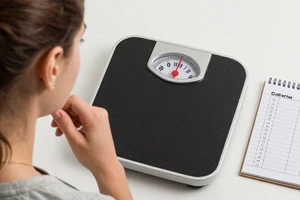
It's natural to want to see progress, and for many people, that means stepping on the bathroom scale every morning. But body weight is not a perfect measure of fat loss or overall fitness. Your total body weight includes muscle, bone, water, and the food currently in your digestive tract. A number on the scale can fluctuate by a pound or more from morning to night due to changes in hydration, meal timing, and even your last workout.
Focusing too much on daily weigh-ins can lead to unnecessary discouragement when the number doesn't drop as fast as you'd like. Instead, consider tracking other markers like how your clothes fit, your energy levels, and how you feel during workouts. These can give you a more complete picture of your body composition changes than the scale alone.
A better approach: Weigh yourself no more than once a week, at the same time of day—ideally first thing in the morning after using the bathroom—and pay more attention to long-term trends than daily ups and downs.
Mistake #2: Ignoring Hydration and Electrolytes
When you're fasting, your body continues to lose water and electrolytes through normal processes like breathing, sweating, and urination. Many people mistakenly think they should restrict all fluids during their fast, or they simply forget to drink enough water. This can lead to headaches, fatigue, and brain fog—symptoms that are often blamed on hunger but may actually be caused by mild dehydration or an electrolyte imbalance.
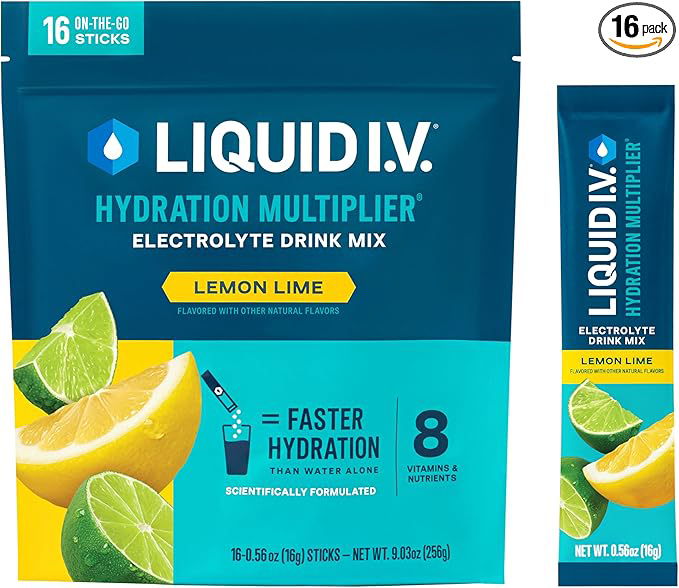
During your fasting window, plain water is always allowed and encouraged. Black coffee and unsweetened tea are also fine for most people. If you find yourself feeling sluggish or headachy, try adding a pinch of salt to your water or drinking a zero-calorie electrolyte beverage without sugar. This simple adjustment can help you feel much better and stick with your fasting plan more consistently.
Mistake #3: Overeating During the Eating Window
The eating window is not a free pass to consume unlimited calories. Some people fall into the trap of thinking that because they fasted for 16 or 18 hours, they can eat whatever they want during the remaining hours. In reality, intermittent fasting works best when paired with balanced, nutrient-dense meals. If you consistently eat more calories than your body needs, you may not see the results you are hoping for—and you might even gain weight.
It's also worth noting that the quality of your food matters. A meal built around lean protein, vegetables, healthy fats, and complex carbohydrates will keep you satisfied longer and support stable blood sugar levels. Highly processed foods, sugary snacks, and large portions can spike your insulin and leave you feeling hungry again sooner, which makes the next fasting window harder to get through.
A simple guideline: Aim to fill half your plate with vegetables, a quarter with protein, and the remaining quarter with whole grains or starchy vegetables. Drink water with your meal and stop eating when you feel comfortably full—not stuffed.
How to Set Yourself Up for Success
Beyond avoiding these three mistakes, there are a few strategies that can help make intermittent fasting feel sustainable rather than like a struggle. First, choose a fasting schedule that fits your lifestyle. The most common approaches are the 16:8 method (fast for 16 hours, eat within an 8-hour window) and the 14:10 method. If you push yourself into a very long fast right away, you are more likely to quit early.
Second, prioritize your sleep. Poor sleep can increase hunger hormones and make fasting feel much harder. Aim for seven to nine hours of quality rest each night. Finally, if you have a medical condition such as diabetes or a history of disordered eating, talk to a healthcare professional before starting any fasting regimen.
Intermittent fasting is a tool that can help some people manage their weight and improve their health when used thoughtfully. By keeping your focus on long-term habits rather than daily weigh-ins, staying hydrated, and eating well during your feeding window, you set yourself up for a much smoother experience.