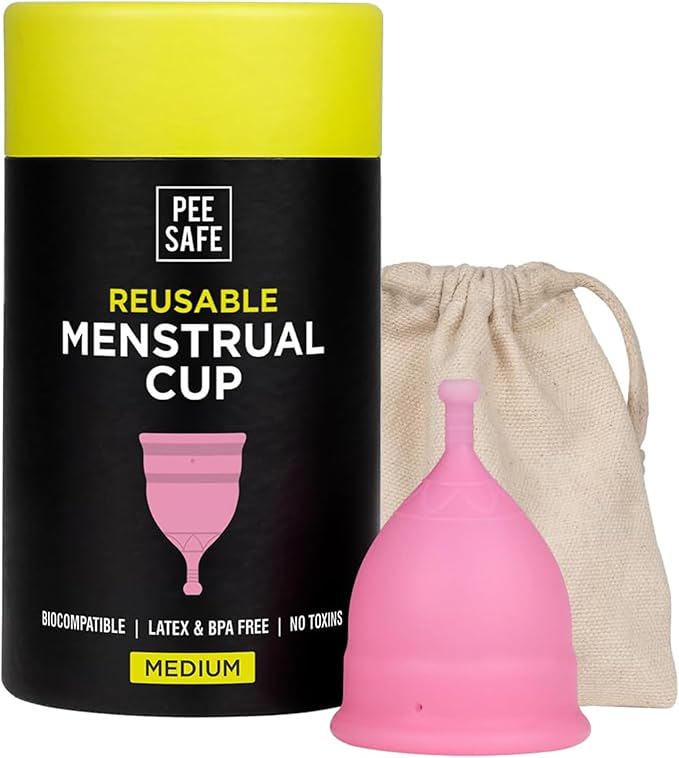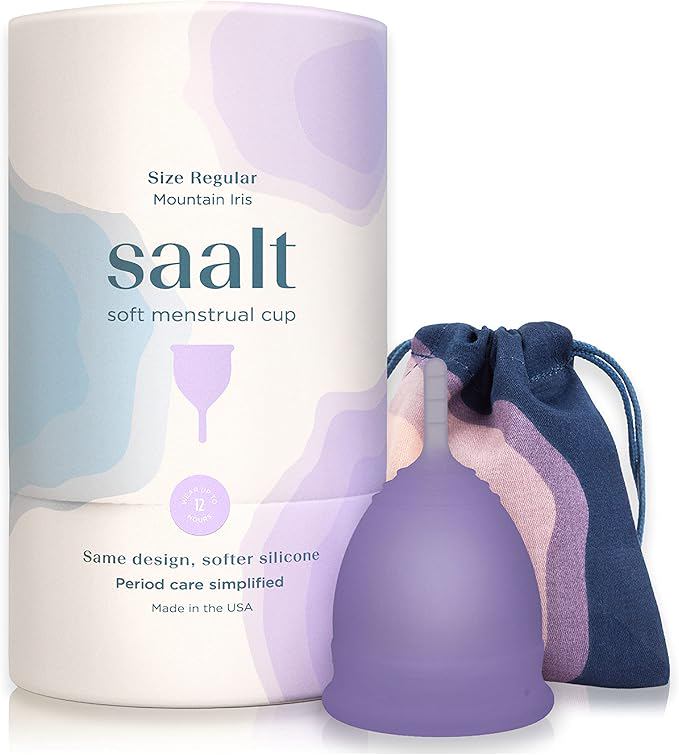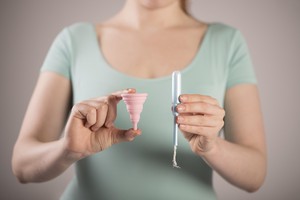
Menstrual cups are a reliable, low-waste option for period care, but using one incorrectly can backfire—especially if you are prone to cramps. While the cup itself is not inherently painful, a few common mistakes during insertion, placement, or removal can increase pelvic discomfort and make cramping noticeably worse. Here are three errors to watch for and how to fix them.
1. Positioning the cup too low or too high
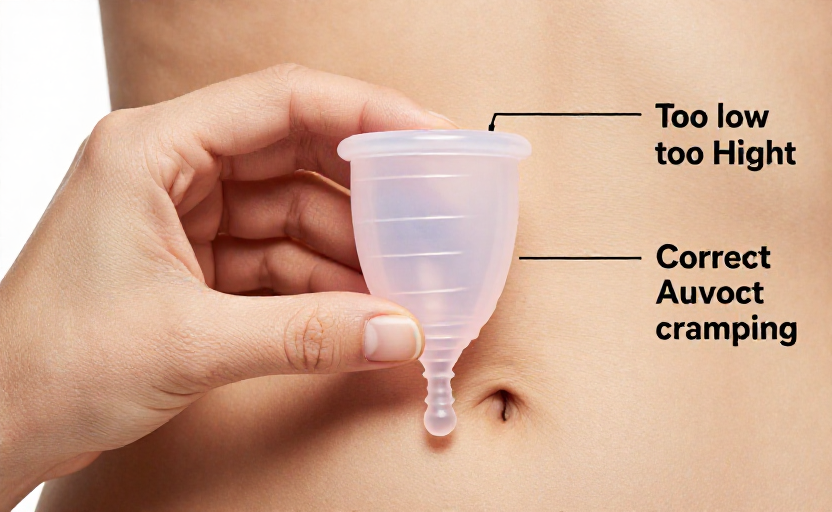
A menstrual cup needs to sit low enough in the vaginal canal that the stem is not poking out, but high enough that the cup rests below the cervix—not against it. If the cup presses directly on the cervix, it can trigger or amplify cramping, much like the sensation some people feel during a pelvic exam. On the other hand, if the cup sits too low, the rim might nudge the vaginal opening or pubic bone, causing a different kind of ache or pressure. The sweet spot is a comfortable seal that feels secure but not intrusive. If you feel persistent cramping after insertion, try adjusting the cup upward or downward by about half an inch until the sensation eases.
2. Using the wrong fold for your anatomy
There are many ways to fold a menstrual cup—C-fold, punch-down fold, seven-fold, and more—and each changes the shape and firmness at the rim. A fold that creates a wide, rigid opening can be difficult to insert without friction, especially if you are tense or if the vaginal canal is naturally narrow. Struggling to insert a too-stiff fold can cause micro-trauma to tender tissues, which may aggravate cramping later. Experiment with gentler folds (the punch-down fold is often easier for beginners) or consider a softer cup material if you consistently feel discomfort during insertion. A smooth, low-friction entry reduces the risk of muscle spasm and pelvic floor tension.
3. Creating too much suction during removal
Removing a menstrual cup is not about yanking it out. A strong vacuum seal is great for preventing leaks, but breaking that seal incorrectly—by pulling the stem straight down without pinching the base—can create intense suction on the vaginal walls and cervix. This pulling sensation can mimic or trigger cramping. Always pinch the base of the cup to release the vacuum before you begin to remove it. Tilting the cup slightly as you pull it out can also help ease the seal. If you find removal painful, you may be using a cup that is too firm or too large for your body; switching to a smaller or softer cup can make a noticeable difference.
A quick check: If you feel a sharp or pulling pain when you remove your cup, you are likely not releasing the seal fully. Pause, take a breath, and try again with a gentle pinch and a slight tilt.
Other factors that can worsen period cramps with a cup
Beyond insertion and removal technique, consider these less obvious contributors to cramping:
- String length: Some cups have a stem that is too long, and if you trim it too short, you might grab the base instead of the stem, making removal harder. Leave enough stem to grip but not enough to protrude.
- Dehydration: Being dehydrated can make muscle cramps worse, including uterine cramps. Drink water throughout your period, especially when using a cup.
- Menstrual cup size and firmness: A cup that is too large or too firm for your body may put constant pressure on the vaginal walls and cervix. If cramping persists despite correct technique, try a smaller or softer cup.
When to see a healthcare provider
Mild, occasional cramping with a menstrual cup is common and often fixable with the adjustments above. However, if you experience severe or worsening pain, heavy bleeding that soaks through the cup quickly, or signs of infection (fever, unusual discharge, pelvic pain that does not improve), it is important to consult a gynecologist. Persistent cramping can sometimes signal an underlying condition such as endometriosis, fibroids, or pelvic inflammatory disease—issues a healthcare provider can diagnose and treat. A cup should never cause debilitating pain.
By paying attention to how you insert, wear, and remove your menstrual cup, you can reduce unnecessary cramping and make your period more comfortable. Small changes in technique often yield big relief.