Managing diabetes is a constant balancing act — blood sugar levels, meal timing, activity, and medications all need to line up. But even people who take their medication regularly can fall into habits that increase the risk of long-term complications. Below are three of the most frequent medication mistakes, along with practical ways to avoid them.
1. Inconsistent Timing of Doses
Many diabetes medications work best when blood levels stay steady throughout the day. Taking a dose hours late — or skipping it and doubling up the next time — creates spikes and crashes that stress the body.
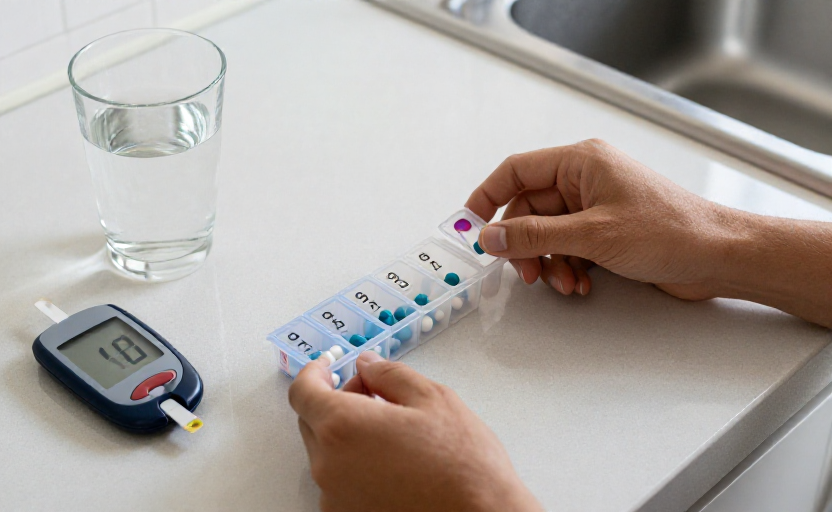
Stick to a schedule. Use a pill organizer or set a phone alarm. Consistency matters more than perfection.
When doses shift around, the kidneys and eyes are particularly vulnerable. Over time, erratic timing contributes to diabetic retinopathy and kidney damage. If you travel or have an irregular shift schedule, talk with your care team about which medications can be adjusted and which need fixed windows.
2. Stopping Metformin or Other Meds Due to Mild Side Effects
Metformin is a first-line therapy for type 2 diabetes. Some people experience nausea, bloating, or diarrhea when starting it. These symptoms often fade within two weeks. But it's common for people to stop taking it without consulting their doctor.
Discontinuing metformin without a replacement leads to climbing fasting blood glucose and higher A1C levels. The same is true for other oral medications — stopping them can allow blood sugar to remain elevated, accelerating nerve damage and cardiovascular risk. If side effects bother you, ask about an extended-release version or a lower starting dose rather than quitting altogether.
3. Mismatching Insulin or Secretagogues with Meals
Insulin and sulfonylureas (like glipizide and glyburide) stimulate rapid insulin release. If you take them and then delay eating, or eat a much smaller meal than usual, the result is hypoglycemia.
Hypoglycemia doesn't just feel awful — it increases the risk of falls, confusion, and over time, cognitive decline. Severe lows can lead to heart arrhythmias or hospitalization. To avoid this:
- Know the onset and peak time of your insulin or medication.
- Eat a consistent amount of carbohydrate with each dose.
- Check blood sugar before driving or operating machinery.
If you use a rapid-acting insulin, time the injection right before eating — not 15 minutes ahead unless instructed. If you use a mixed insulin, meal timing becomes even more critical.
How These Mistakes Raise Complication Risks
Each of these errors contributes to the same end: prolonged periods of high blood glucose or dangerous lows. High glucose damages small blood vessels in the eyes, kidneys, and nerves. Frequent lows strain the heart and brain. Over months and years, the cumulative effect is faster progression of retinopathy, nephropathy, neuropathy, and cardiovascular disease.
Preventing complications is not just about taking medication — it's about taking it correctly, consistently, and in coordination with food and activity.
Simple Strategies to Stay on Track
Small changes can prevent big problems:
- Use a weekly pill organizer — it reveals missed doses at a glance.
- Set phone alarms — one for morning meds, one for evening, and one for insulin before meals.
- Write down side effects — show your doctor exactly what you're feeling rather than stopping on your own.
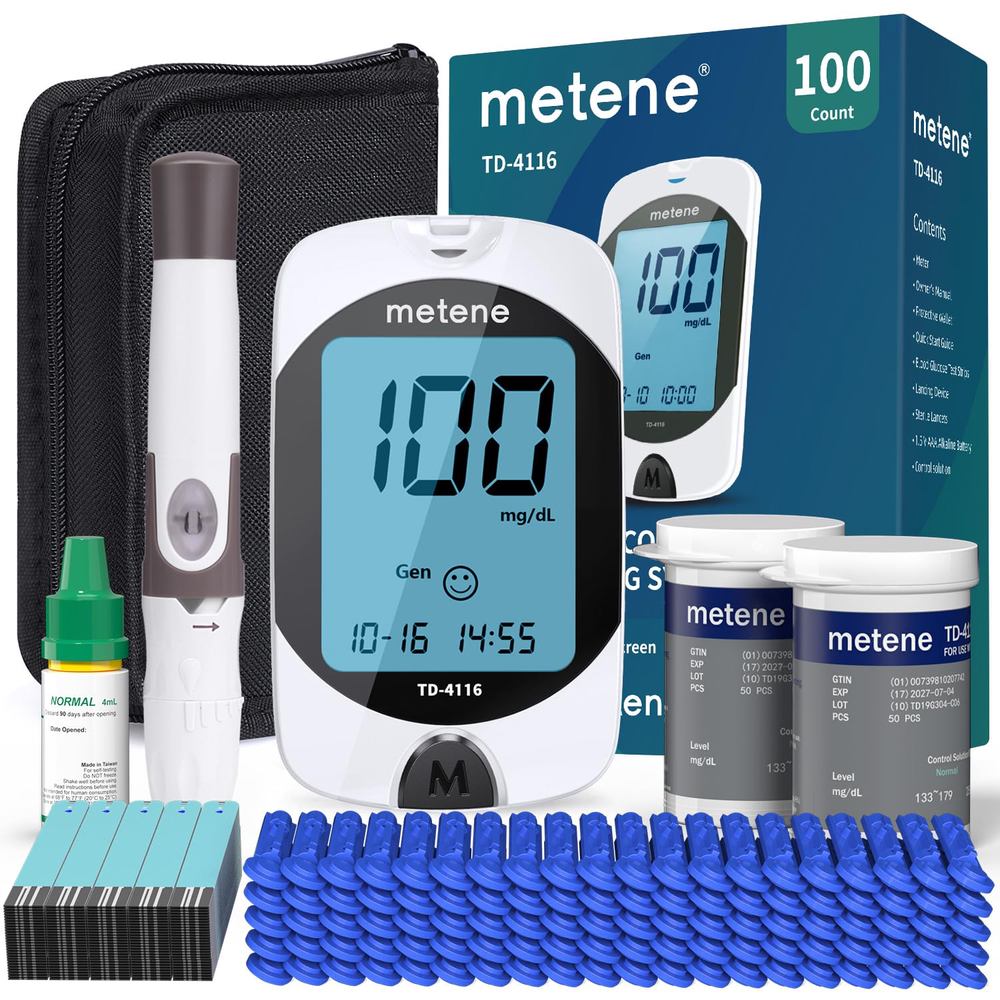
- Keep a log of blood sugar readings, medication timing, and meal size. Patterns become obvious in two weeks.
These habits take effort to build, but they reduce the risk of hospital visits and long-term damage.
Always consult your healthcare provider before changing how you take any prescription medication. No article can replace individualized medical advice.