Waking up to a balanced plate does more than fuel your morning — it can also set the stage for better pancreatic health. The pancreas, a small but powerful organ tucked behind your stomach, works hard overnight and throughout the day to regulate blood sugar and produce digestive enzymes. What you choose to eat first matters.
We spoke with registered dietitians who specialize in metabolic health to identify three breakfast foods that directly support pancreatic function. Each of these choices helps reduce inflammation, stabilize insulin output, and ease the workload on an organ that rarely gets a day off. None of these are prescription foods — they are simply smart, research-backed additions to your morning routine.
1. Plain Greek Yogurt (Full-Fat or Low-Fat, Unsweetened)
Protein-rich breakfasts have a protective effect on the pancreas. Plain Greek yogurt delivers a concentrated dose of casein and whey protein without the added sugars found in flavored varieties. Dietitians point out that high protein intake at breakfast helps slow gastric emptying, which blunts the sharp spike in blood glucose and insulin that can stress pancreatic beta cells over time.
Why it works: The probiotics in live-culture yogurt also support gut health, which indirectly reduces systemic inflammation — a known contributor to pancreatitis and insulin resistance. Look for yogurt with no added sugars and at least 12–15 grams of protein per serving. Pair it with a small handful of walnuts or a few berries for fiber and healthy fats.
Tip from a dietitian: "If you find plain yogurt too tart, stir in a dash of cinnamon or vanilla extract instead of honey or agave. Cinnamon may offer mild blood-sugar-stabilizing benefits."
2. Oatmeal (Steel-Cut or Rolled, Unsweetened)
Oatmeal often gets a reputation as a "carb-heavy" breakfast, but the type of carbohydrate matters. Steel-cut and rolled oats are rich in a specific type of soluble fiber called beta-glucan. This fiber forms a gel-like consistency in the digestive tract, which slows the absorption of glucose and reduces the pancreas’s need to release large bursts of insulin.
Over time, consistent intake of beta-glucan has been shown to improve insulin sensitivity. Dietitians emphasize that portion control still matters — a serving is about half a cup of dry oats. Adding protein (a scoop of collagen or a side of eggs) further balances the meal. Avoid instant oats, which are typically processed into smaller particles that spike blood sugar faster.
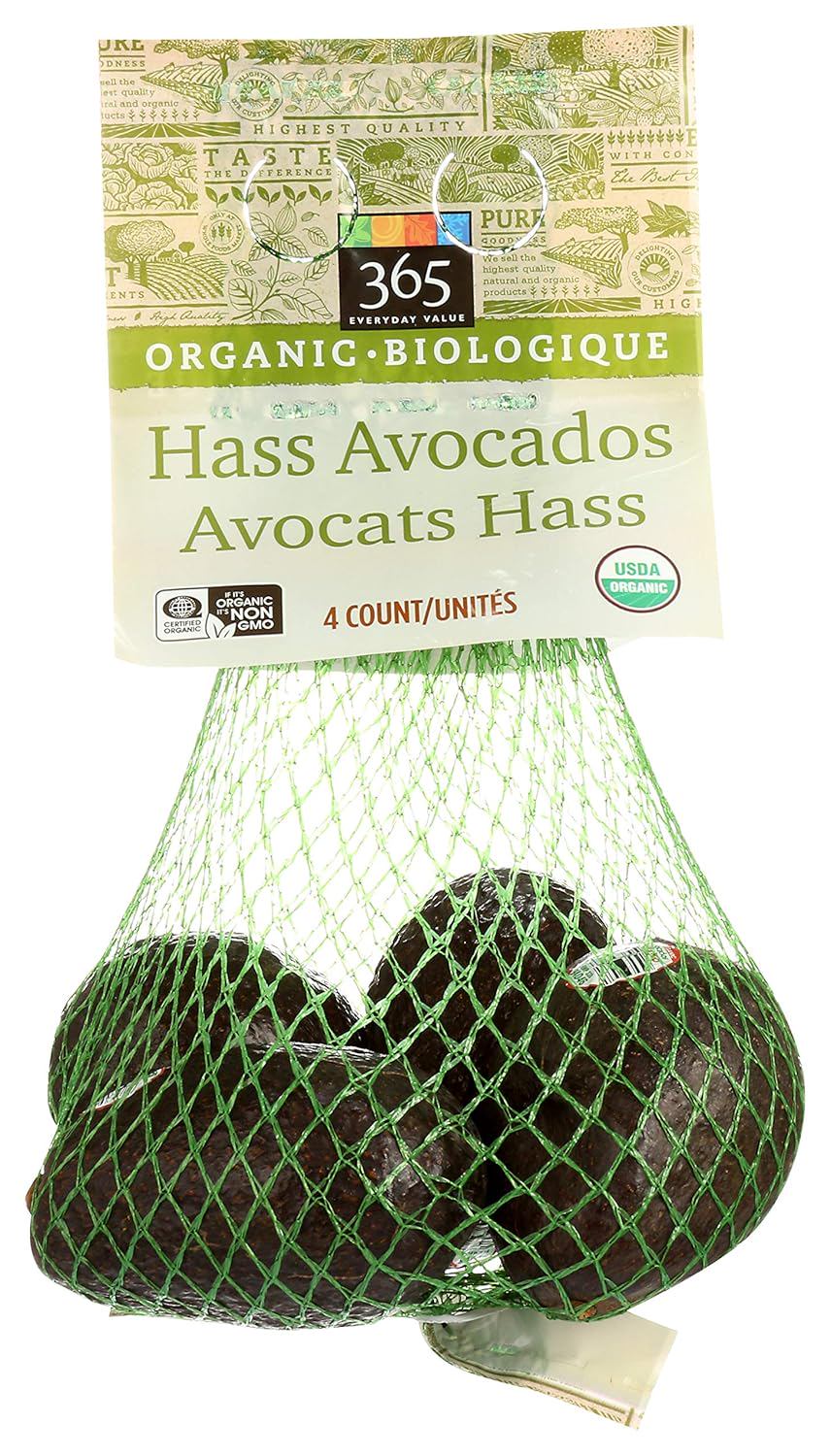
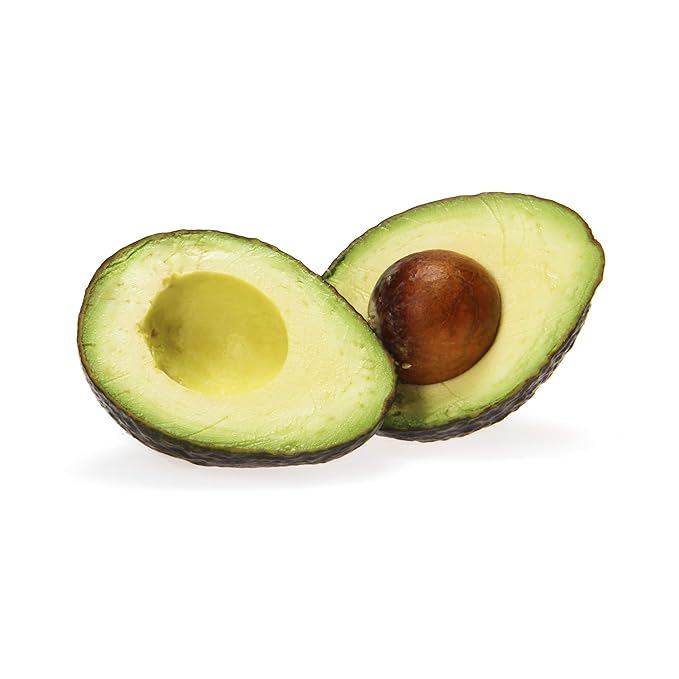
3. Avocado (Half a Medium Fruit, or One Whole Small)
Avocado is not just a trendy toast topper. It is one of the few fruits rich in monounsaturated fats and extremely low in sugar. Dietitians recommend avocado at breakfast because its fat content promotes a slow, steady release of energy and does not trigger a significant insulin response on its own.
Additionally, avocados are a solid source of potassium, which helps maintain electrolyte balance — important for people managing conditions like pancreatitis, where fluid and electrolyte shifts can occur. The fruit also contains glutathione, a potent antioxidant that may help protect pancreatic cells from oxidative damage. Use avocado as a spread on whole-grain toast, sliced alongside scrambled eggs, or blended into a smoothie for creaminess without sugar.
How These Foods Work Together for the Pancreas
Individually, each of these breakfast options offers a clear benefit. Together, they form a pattern: high protein, moderate healthy fat, controlled complex carbohydrates, and minimal added sugar. Dietitians highlight that this combination — not any single superfood — is what makes a breakfast truly pancreas-supportive.
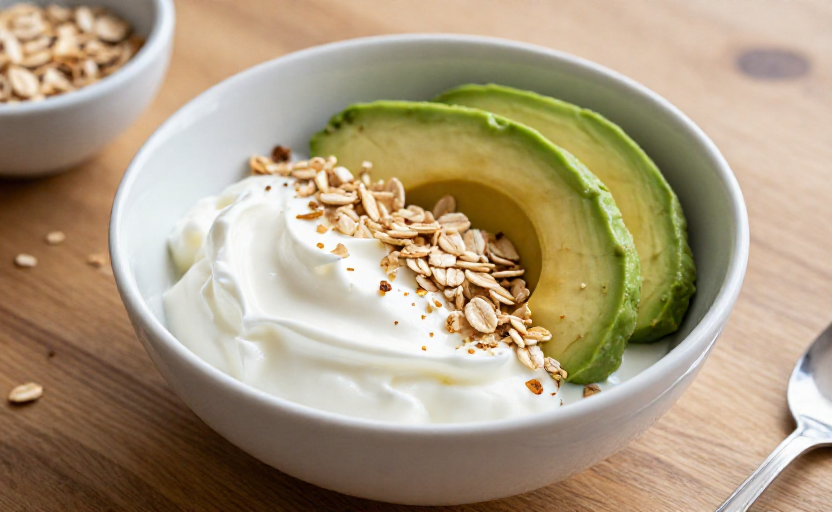
For example, a breakfast bowl with plain Greek yogurt, a sprinkle of rolled oats, and half an avocado cubed on top delivers protein, fiber, and fat in nearly equal balance. That macronutrient profile has been shown in observational studies to reduce post-meal inflammation markers and lower the glycemic load of the meal.
What to Avoid (If Possible)
To get the most out of these foods, dietitians recommend steering clear of three common breakfast pitfalls:
- Sugary cereals and pastries: These cause rapid glucose spikes that force the pancreas to release excess insulin. Over years, this can exhaust beta cells.
- Processed meats (bacon, sausage): High in saturated fat and nitrates, linked to increased risk of pancreatic inflammation and insulin resistance.
- Sweetened coffee drinks: Many coffee shop lattes contain 30–50 grams of sugar before breakfast even starts.
None of this means you can never enjoy these foods. The goal is balance and frequency. A weekend pastry is not a problem; a daily sugary cereal habit may be.
Practical Breakfast Ideas (Quick Ideas)
If you are short on time in the morning, here are three combos that incorporate the above ingredients:
- Yogurt bowl: ¾ cup plain Greek yogurt + ¼ cup rolled oats + ½ diced avocado + pinch of cinnamon.
- Oatmeal with protein: ½ cup cooked steel-cut oats + 1 tablespoon almond butter + ½ scoop unflavored protein powder.
- Avocado egg scramble: 2 scrambled eggs + ½ avocado sliced + 1 slice whole-grain toast.
These meals take under ten minutes to prepare and provide the nutrient profile dietitians recommend for supporting pancreatic health.
One Final Note from the Dietitians
No single breakfast choice can cure or prevent pancreatic disease. Dietitians stress that overall dietary patterns — combined with regular physical activity, avoiding smoking, and limiting alcohol — have the most profound impact on pancreatic function. But starting the day with foods that respect the pancreas’s delicate role is a practical step anyone can take.
If you have a diagnosed pancreatic condition such as pancreatitis, diabetes, or exocrine pancreatic insufficiency, consult your healthcare provider or a registered dietitian before making significant dietary changes. These foods are generally safe for most people, but individual needs vary.