Panic attacks can strike without warning, but sometimes the body sends subtle signals beforehand—a flutter in the chest, shallow breathing, or a knot in the stomach. While diet alone isn't a treatment for anxiety disorders, certain breakfast foods may help take the edge off those early warning signs by stabilizing blood sugar and supporting the nervous system. We spoke with registered dietitians who shared three breakfast choices that research suggests can help calm the body during moments of heightened stress.
The Connection Between Breakfast and Anxiety
Skipping breakfast or reaching for sugary pastries can send blood sugar on a roller coaster. When blood sugar drops sharply, the body releases stress hormones like adrenaline, which can mimic or worsen the physical sensations of a panic attack—racing heart, shakiness, and irritability. A well-chosen morning meal, on the other hand, provides steady energy and nutrients that support neurotransmitter function. "What you eat first thing literally sets the tone for your nervous system," says one dietitian.
1. Oatmeal with Berries and Nuts
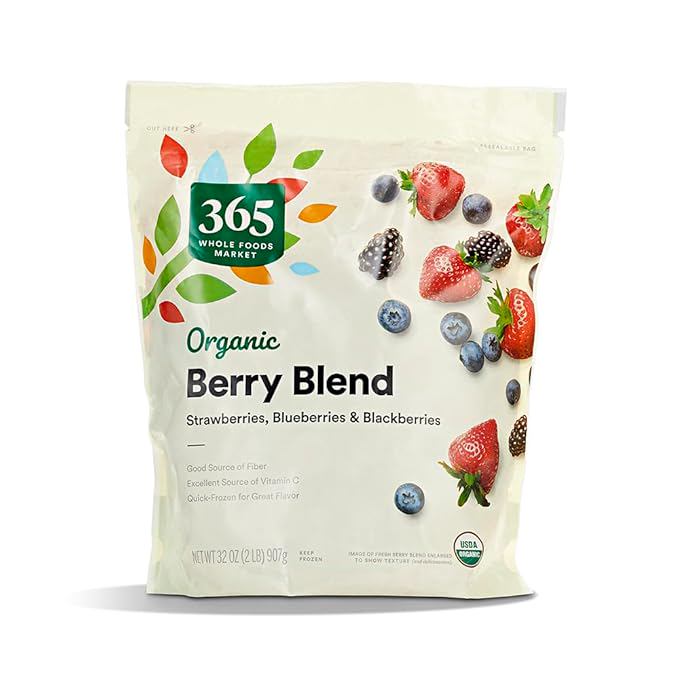
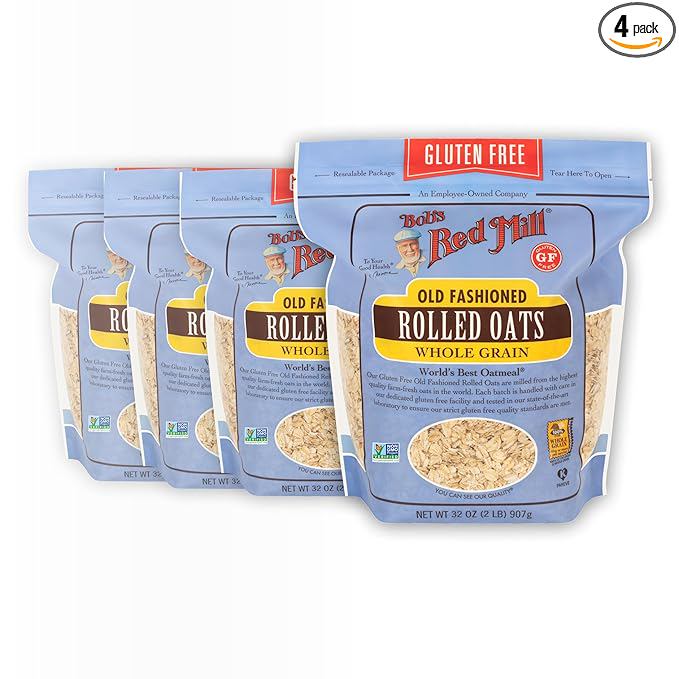
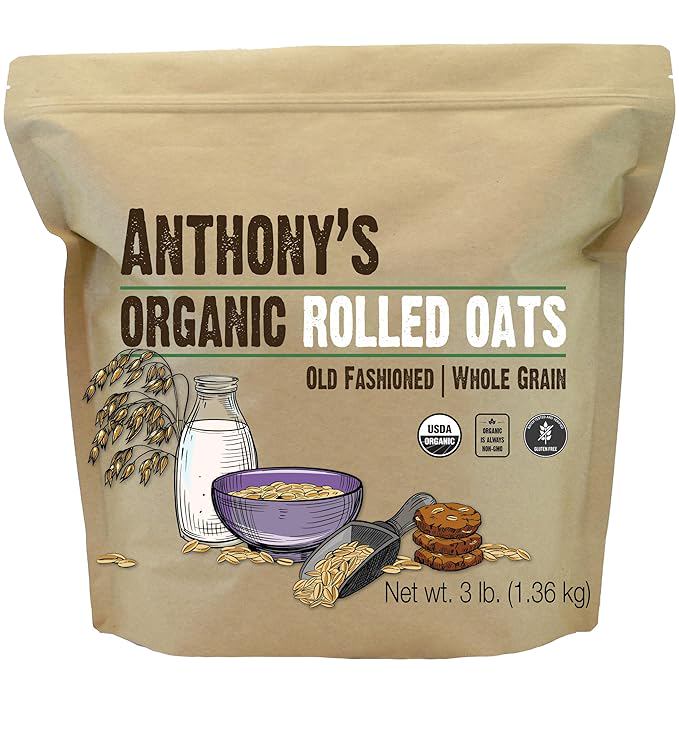
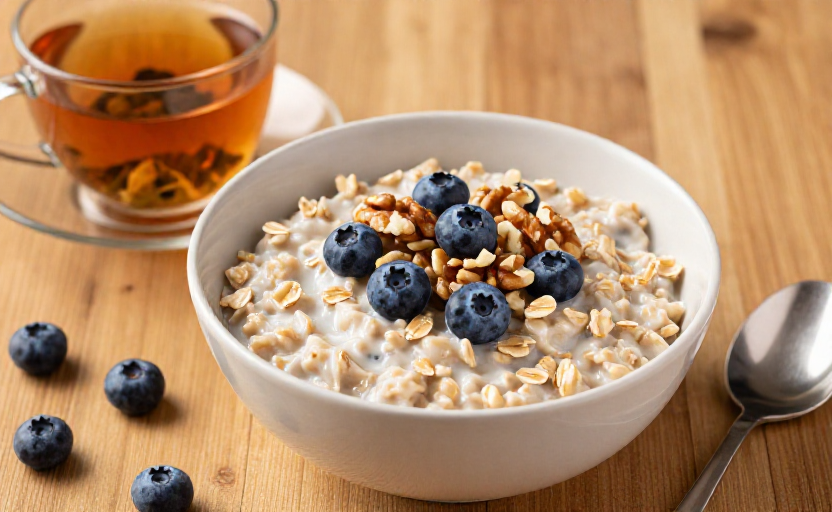
Old-fashioned oats are a source of complex carbohydrates and soluble fiber, which slow digestion and prevent rapid blood sugar spikes and crashes. When blood sugar stays even, the body is less likely to trigger the fight-or-flight response. Top your bowl with a handful of berries—blueberries and raspberries are rich in antioxidants that may reduce inflammation linked to anxiety. Add a tablespoon of walnuts or almonds for magnesium, a mineral that helps regulate the stress response. Many people are low in magnesium, and a deficiency has been tied to increased anxiety symptoms.
A simple morning bowl: ½ cup cooked oats, ⅓ cup mixed berries, 1 tablespoon chopped walnuts. That’s fiber, antioxidants, and magnesium in one meal.
2. Eggs with Avocado on Whole-Grain Toast
Protein-rich eggs provide tryptophan, an amino acid the body uses to produce serotonin—the neurotransmitter often called the "calm chemical." Serotonin helps regulate mood and sleep, and having enough of it may soften the body's reaction to stress. Pairing eggs with avocado adds healthy fats and more B vitamins, which support nerve function. Whole-grain toast supplies steady carbs without the sugar rush. This combination keeps you full and provides a steady release of energy, reducing the likelihood of mid-morning anxiety symptoms.
3. Greek Yogurt with Pumpkin Seeds and a Banana
Plain Greek yogurt is a good source of protein and probiotics. Gut health is closely linked to mental health through the gut-brain axis; a balanced microbiome may help dampen the body's stress response. Pumpkin seeds are one of the best food sources of zinc, a mineral involved in neurotransmitter function. Some research suggests that low zinc levels are associated with higher anxiety. A banana adds natural sweetness and provides potassium, which helps maintain stable blood pressure—especially useful if racing heart is one of your early warning signs.
Choose plain yogurt to avoid added sugars, which can worsen blood sugar volatility. For extra flavor, add a dash of cinnamon, which may help regulate blood sugar.
What to Avoid at Breakfast
Dietitians also note that some common breakfast items can aggravate panic warning signs. High-sugar cereals, sweetened coffee drinks, and pastries cause a rapid spike in blood sugar followed by a crash—a metabolic pattern that can trigger adrenaline and mimic anxiety. Caffeine is another trigger; it stimulates the nervous system and can increase heart rate and jitteriness. If you're prone to panic, consider limiting coffee or switching to half-caff or herbal tea in the morning.
Small Changes, Consistent Practice
Eating for anxiety isn't about a single magic food. It's about building patterns that keep your body's stress system from getting easily triggered. "I tell my clients to think of breakfast as the anchor meal," one dietitian explains. "It prevents the blood sugar crash that can make anxiety worse, and it gives the brain the building blocks it needs for calm."
If you experience frequent panic attacks or warning signs that interfere with daily life, please consult a healthcare provider. Diet is one piece of a larger picture that may include therapy, medication, or other treatments.