
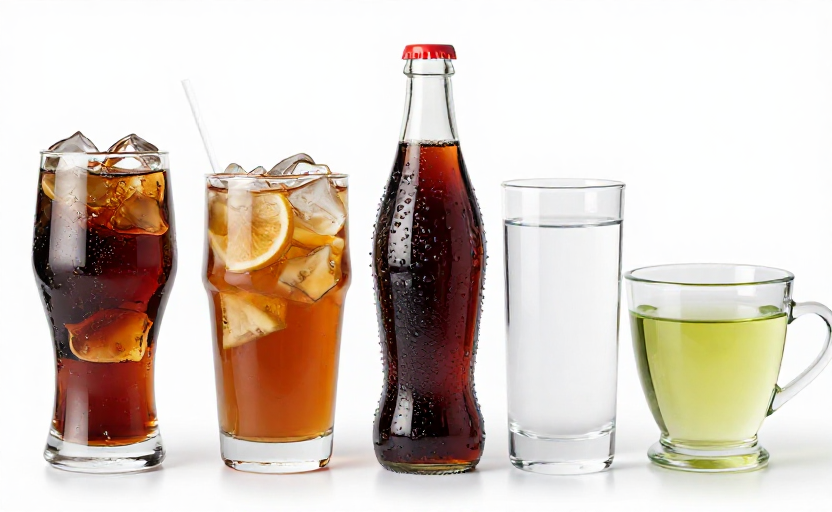
What you drink can influence far more than just your thirst. For men concerned with sexual health, certain beverages may subtly affect the vascular and hormonal systems that are foundational to erectile function. While no single drink is a direct cause of erectile dysfunction (ED), a pattern of consumption can contribute to an environment where optimal function becomes more challenging.
Understanding this connection isn't about fostering fear around every sip, but about making informed choices that support overall wellness. The goal is to identify common drinks that might be working against your vascular health, so you can enjoy them mindfully or explore satisfying alternatives.
Why Beverages Matter for Erectile Health
Erections are a vascular event. They require healthy blood vessels, good blood flow, and proper nerve signaling. Anything that damages blood vessels, restricts circulation, or disrupts hormone balance can, over time, interfere with this process.
Beverages can influence this system in a few key ways. Some can contribute to endothelial dysfunction—damage to the inner lining of blood vessels. Others may lead to chronic inflammation or cause spikes and crashes in blood sugar, which can affect nerve health. Certain drinks can also influence testosterone levels or promote weight gain, another factor linked to ED.
The path to better erectile health is often paved with choices that support your heart and blood vessels.
Beverage Choices to Be Mindful Of
Moderation is the guiding principle here. An occasional indulgence is unlikely to cause harm, but regular, heavy consumption of the following drinks may be counterproductive for men focusing on erectile wellness.
Sugar-Sweetened Sodas and Energy Drinks
These are often the top contenders for drinks that can undermine vascular health. The primary issue is their high fructose content, typically from high-fructose corn syrup.
Regular intake of these sugary drinks is strongly linked to metabolic syndrome, type 2 diabetes, and obesity—all of which are major risk factors for erectile dysfunction. They cause rapid spikes in blood sugar and insulin, leading to inflammation and oxidative stress that can damage the delicate endothelial cells lining blood vessels, including those in the penis.
Energy drinks add another layer of concern with their extremely high caffeine content and stimulant blends, which can increase heart rate and blood pressure, potentially creating anxiety that interferes with sexual performance.
Excessive Alcohol
While a glass of wine or a beer might help with initial relaxation, the relationship between alcohol and erectile function is dose-dependent and follows a J-shaped curve.
In the short term, excessive alcohol is a central nervous system depressant. It can numb sensations, delay orgasm, and, most critically, inhibit the nervous system signals required to initiate and maintain an erection. The famous phrase "brewer's droop" exists for a reason.
Chronic heavy drinking has longer-term consequences. It can lead to liver damage, which disrupts hormone balance and can lower testosterone levels. It's also a source of empty calories that contributes to weight gain and can cause peripheral neuropathy, damaging the nerves essential for sexual response.
Artificially Sweetened "Diet" Drinks (A Point of Consideration)
This category requires a more nuanced discussion. Many men switch to diet sodas to avoid sugar, but emerging research suggests they may not be a neutral alternative for metabolic health.
Some studies indicate that artificial sweeteners like aspartame, sucralose, and saccharin may still provoke an insulin response or disrupt the gut microbiome. An imbalanced gut microbiome is increasingly linked to systemic inflammation and metabolic issues. While the science is still evolving, for some individuals, these drinks may perpetuate sugar cravings and dietary patterns that aren't conducive to vascular health.
The key takeaway is that switching from regular to diet soda is a step, but it may not be the final step for optimal health. Water, sparkling water, or herbal tea are more universally supportive alternatives.
What to Drink Instead
Shifting your beverage habits is one of the simplest dietary changes you can make. Focus on drinks that hydrate and provide beneficial nutrients without negative side effects.
- Water: It’s the ultimate hydrator. Proper hydration ensures optimal blood volume and viscosity, allowing for efficient circulation. Adding a slice of lemon or cucumber can make it more appealing.
- Green Tea: Rich in antioxidants called catechins, green tea supports endothelial function and has anti-inflammatory properties. Its modest caffeine content is less likely to cause jitters than coffee or energy drinks.
- Tart Cherry Juice (unsweetened): In moderation, this juice is known for its anti-inflammatory properties and melatonin content, which can support sleep—a critical component of hormonal health and recovery.
- Sparkling Water: For the crave for carbonation, plain or naturally flavored sparkling water provides the fizz without sugar, artificial sweeteners, or calories.
A Holistic View
It’s important to frame beverage choices within the bigger picture of lifestyle. Erectile function is a barometer of overall health. Alongside mindful drinking, regular physical activity, a balanced diet rich in fruits and vegetables, quality sleep, and stress management are all pillars of sexual wellness.
If you are experiencing persistent erectile difficulties, it is essential to consult a healthcare provider. It can be an early warning sign of underlying conditions like heart disease, diabetes, or hypertension. Addressing the beverage habits discussed here is a proactive step in a broader journey toward sustained health and vitality.