If you’re navigating the waves of menopause, you know hot flashes aren’t just a minor inconvenience. They’re a full-body experience that can disrupt your day, your sleep, and your sense of well-being. While hormone therapy is a common path, many are looking for complementary, foundational support through what they put on their plate. The connection between diet and menopausal symptoms is a powerful one, with inflammation playing a key role. By choosing foods that gently cool the body’s inflammatory fires, you may find the frequency and intensity of those sudden surges begin to ease.
This approach isn’t about a restrictive diet or a magic bullet. It’s about leaning into specific, nutrient-rich foods that support your body’s systems during this transition. The goal is steadiness—helping to create an internal environment that’s less reactive and more resilient. Let’s explore three particularly supportive anti-inflammatory foods that can become delicious, regular allies in managing hot flash frequency.
Why Inflammation Matters for Hot Flashes
The drop in estrogen during menopause does more than signal the end of menstrual cycles. Estrogen has natural anti-inflammatory properties, and as its levels decline, the body can become more susceptible to a state of low-grade, chronic inflammation. This inflammatory environment is thought to affect the hypothalamus—the brain’s temperature control center—making it more sensitive and prone to misfire, triggering a hot flash to cool down a body that isn’t actually overheated.
Think of it like a thermostat with a frayed wire. The goal with an anti-inflammatory diet is to help insulate that wire, stabilizing the system so it’s less likely to send out false alarms. By consistently choosing foods that reduce inflammatory markers, you’re supporting your body’s innate ability to find its balance.
1. Fatty Fish: The Omega-3 Powerhouse
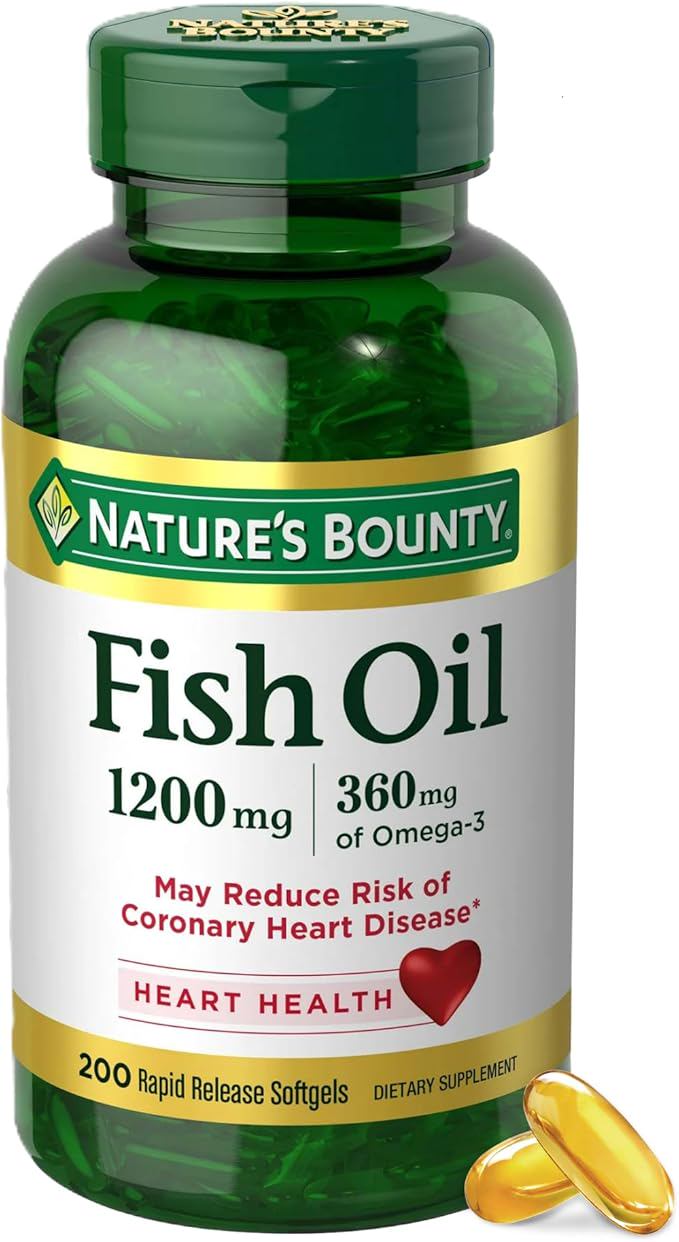
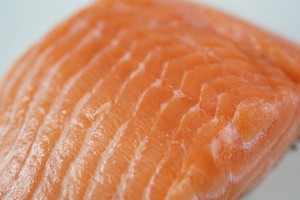
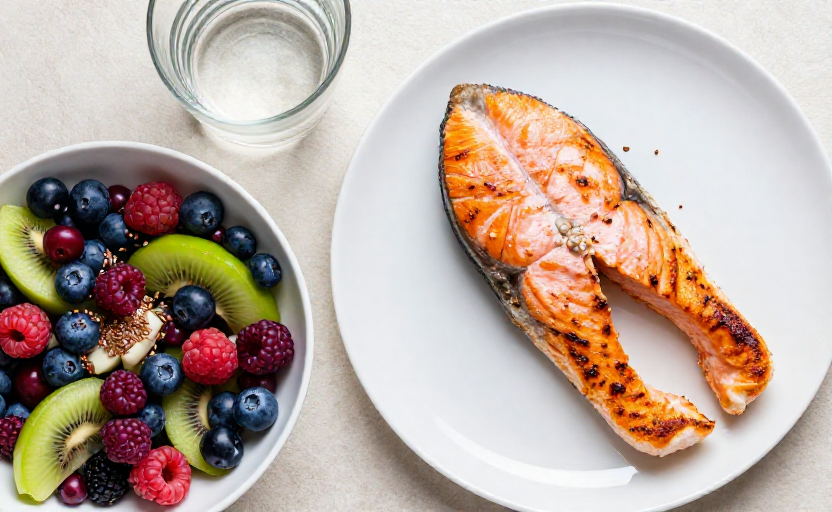
Fatty fish like salmon, mackerel, sardines, and anchovies are among the most direct sources of anti-inflammatory support you can eat. They’re rich in the long-chain omega-3 fatty acids EPA and DHA, which the body uses to produce compounds that actively resolve inflammation, rather than letting it smolder.
Research into diet and menopause suggests that higher intake of these omega-3s is associated with a reduction in the frequency of hot flashes. The effect appears to be both direct, by calming systemic inflammation, and indirect, by supporting cardiovascular and brain health—systems that are also in transition during this time.
Aim to include a serving of fatty fish in your meals two to three times per week for consistent benefits.
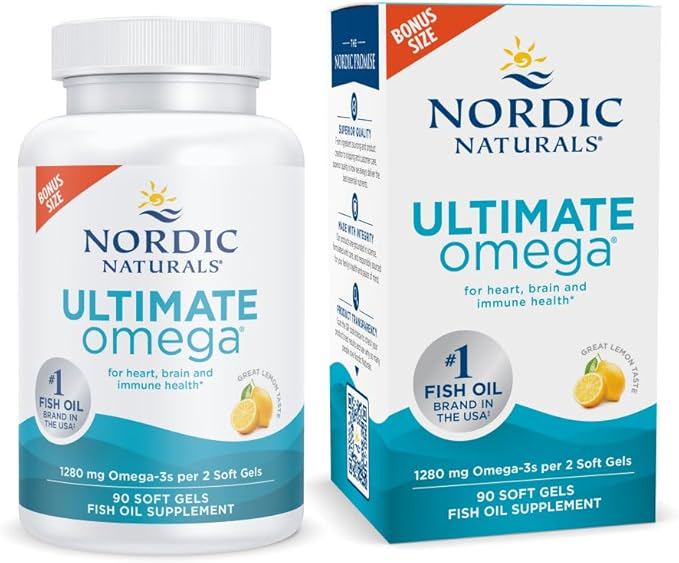
Not a fan of fish? While plant-based sources like flaxseeds and walnuts contain a different type of omega-3 (ALA), the conversion to EPA and DHA in the body is limited. For a non-fish option, discuss algae-based omega-3 supplements with your healthcare provider.
2. Ground Flaxseed: A Phytoestrogen Partner
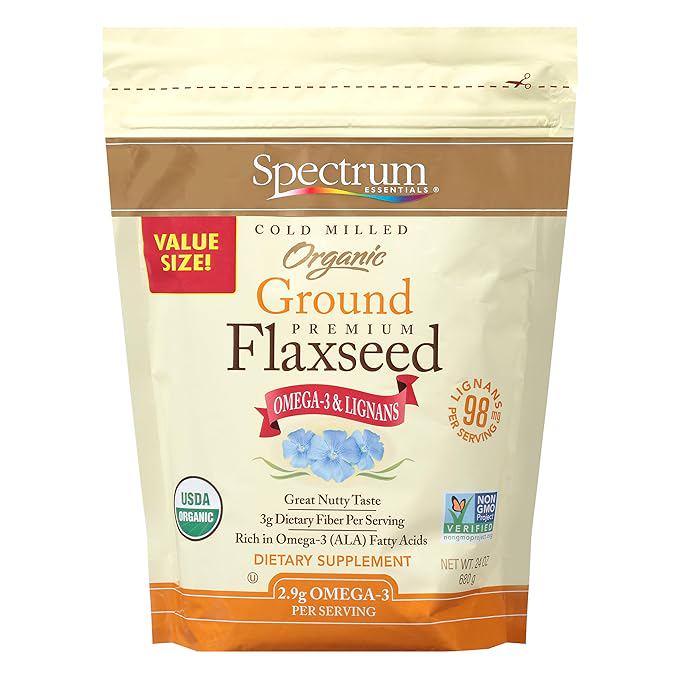
Flaxseeds offer a unique two-pronged approach. First, they are one of the richest plant sources of alpha-linolenic acid (ALA), an anti-inflammatory omega-3 fat. Second, and perhaps more specific to menopause, they are packed with lignans—a type of phytoestrogen.
Phytoestrogens are plant compounds with a mild, estrogen-like effect. They can bind to estrogen receptors in the body and exert a gentle, stabilizing influence. When estrogen is high, they can block stronger effects; when estrogen is low, as in menopause, they can provide a faint supportive signal. This modulating effect is believed to help smooth out the hormonal fluctuations that contribute to hot flashes.
Important note: You must use ground flaxseed (or flaxseed meal) to access these benefits. Whole seeds often pass through the digestive system undigested. Store ground flax in the refrigerator or freezer to prevent the delicate oils from going rancid.
- Sprinkle a tablespoon or two into your morning oatmeal or smoothie.
- Mix it into yogurt, cottage cheese, or applesauce.
- Use it as a binder in meatballs or veggie burgers.
3. Colorful Berries: Antioxidant Allies
The vibrant blues, purples, and reds of berries like blueberries, strawberries, raspberries, and blackberries are more than just beautiful—they’re a map to their antioxidant content. These colors come from anthocyanins and other polyphenols, compounds that combat oxidative stress, a key driver of inflammation.
During menopause, oxidative stress can increase, further fanning inflammatory flames. Berries help douse those flames directly. Furthermore, their high fiber content supports stable blood sugar levels. Blood sugar spikes and crashes can sometimes trigger or worsen hot flashes in susceptible individuals, making berries a smart, stabilizing choice.
Frozen berries are just as nutritious as fresh and make for a convenient, cost-effective staple. Enjoy them on their own, blended into a cool smoothie, or stirred into plain yogurt for a snack that combats inflammation on multiple fronts.
Weaving These Foods Into Your Routine
Adopting these foods isn’t about perfection; it’s about pattern. Start with one. Could you add ground flax to your breakfast three days this week? Swap a meat-based dinner for baked salmon next Tuesday? Keep a bag of frozen berries handy for an evening treat?
Remember, the anti-inflammatory effect is cumulative. It’s the regular, consistent inclusion that makes the difference. Pair these foods with other foundational habits: staying hydrated with water, minimizing processed foods and added sugars (which are pro-inflammatory), and managing stress through movement or mindfulness. Together, these choices create a symphony of support, helping your body navigate change with greater ease and fewer disruptive hot flashes.
A Note on Personalization
While these foods are broadly supportive, every woman’s menopause journey is unique. Pay attention to your own body’s signals. Keep a simple log of what you eat and your hot flash frequency to identify what works best for you. And always, discuss significant dietary changes with your doctor or a registered dietitian, especially if you have underlying health conditions or are on medications.