
You’ve probably heard that sleep and sex are deeply linked, but you might not realize just how much your nightly routine shapes your desire. The quality of your sleep—and the habits that surround it—can quietly shift your hormones, your energy, and your mood, all of which feed directly into your sexual response. When your sleep routine is off, arousal can take a hit, often in ways that feel mysterious. Here are two clear warning signs that your bedtime habits might be working against your libido.
Warning Sign 1: You rely on alcohol to wind down
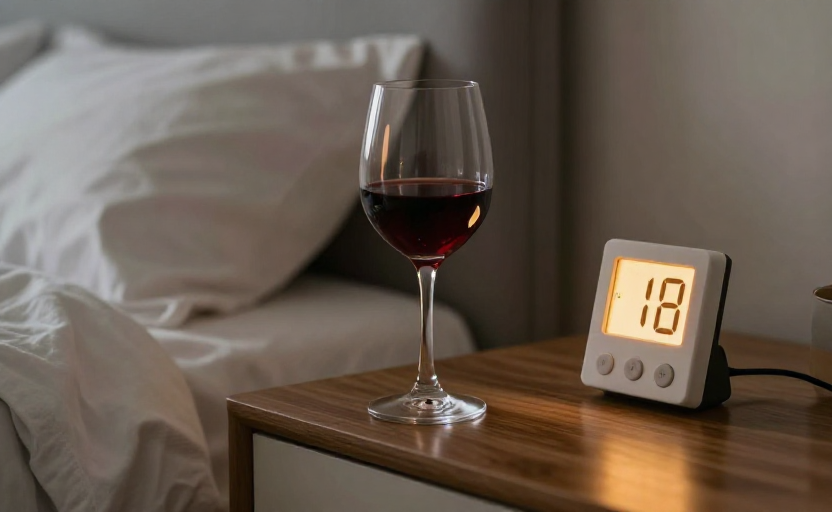
Many people pour a glass of wine or a cocktail in the evening to help them relax before bed. It feels soothing in the moment, but alcohol disrupts the architecture of sleep—particularly the rapid eye movement (REM) stage. REM sleep is the phase when you dream, and it’s also when your body processes emotion and consolidates memories. Skimping on REM directly lowers sexual arousal for both men and women.
Alcohol also acts as a central nervous system depressant. While it might help you fall asleep faster, it dulls the brain’s ability to respond to sexual cues. Over time, regular drinking before bed can decrease testosterone in men and dampen desire in women. If you’re in the habit of unwinding with alcohol every night, that small glass could be quietly lowering your libido.
A simple swap: Try a calming herbal tea or a short, gentle stretching routine instead of alcohol. Even one alcohol-free night a week can start to restore healthy sleep cycles.
Warning Sign 2: You sleep in a warm room or with heavy bedding
Body temperature plays a central role in both sleep quality and sexual arousal. To fall asleep soundly and enter deeper stages of rest, your core temperature needs to drop slightly. A room that’s too warm—or bedding that traps too much heat—can keep you in lighter sleep and make it harder to reach the restorative phases that support libido.
There’s also a more direct link: your body’s temperature-regulation system shares pathways with sexual response. When you’re overheated during the night, your nervous system can stay in a mild state of alert, which interferes with the relaxation needed for arousal. If you wake up feeling sticky or restless, or if you sweat during the night, your sleep environment may be working against your sex drive.
What to try instead
- Keep your bedroom between 65–68°F (18–20°C) if possible.
- Use lightweight, breathable sheets made of cotton or linen.
- Consider a cooling mattress pad or a fan for airflow.
Why these two signs matter
Sexual arousal isn’t just about the moment—it’s built on a foundation of good sleep. When your sleep quality suffers, your body produces less of the hormones that drive desire, including testosterone and estrogen. At the same time, cortisol—the stress hormone—can creep up, further suppressing libido.
Both alcohol use and sleeping too warm are habits that many people don’t think twice about. But when they become routine, they can create a cycle: poor sleep leads to lower arousal, which can cause anxiety about sex, which in turn makes it harder to sleep well. Recognizing these patterns early gives you a chance to break the loop.
One more factor to keep in mind
If you’ve adjusted your sleep environment and cut back on alcohol but still notice low desire, it’s worth checking in with your doctor. Sleep disorders like sleep apnea can significantly lower libido, and they often go undiagnosed. A simple sleep evaluation can rule out underlying issues that no amount of routine tweaking will fix.
Your sleep routine is more than just a way to rest—it’s a daily practice that either supports or undermines your sexual health. By tuning into subtle signs like a reliance on nightcaps or a chronic overheated bedroom, you can make small, targeted changes that improve your sleep and, in turn, your arousal. The two warning signs above are manageable on your own, and addressing them is a practical first step toward reconnecting with your desire.