
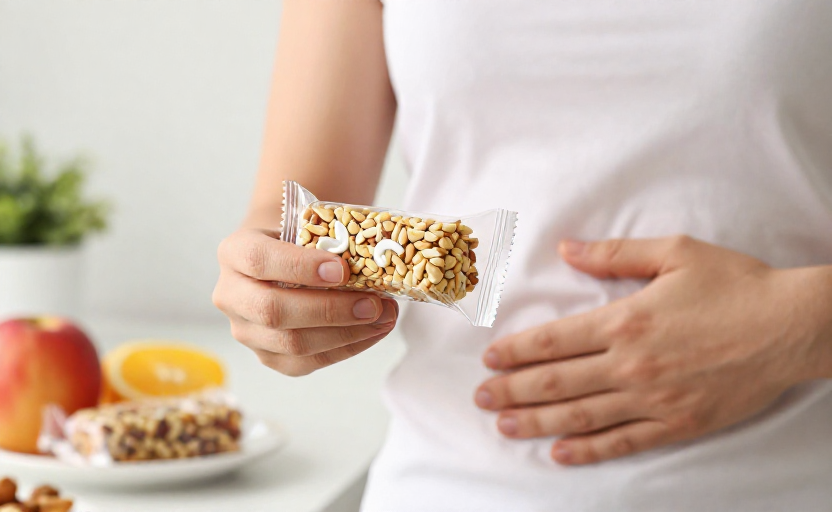
You grab a quick bite to tide you over until lunch—maybe a granola bar, a flavored yogurt, or a smoothie you made in a hurry. It feels harmless, even virtuous. But here’s the quiet truth: some of the most common morning snacks are doing more than just filling a gap. They may be actively disrupting your gut microbiome, triggering bloating, brain fog, or irregularity before your day has even fully started.
Gut health isn’t just about what you eat for dinner. The first fuel you offer your digestive system sets a microbial tone for the next several hours. And when that fuel is laden with hidden sugars, inflammatory oils, or inadequate fiber, your gut sends clear signals that something is off. Here are two warning signs that your morning snack is undermining your digestive wellness—and what to look for instead.
Warning Sign #1: You Feel Bloated or Gassy Within an Hour
If your stomach starts to distend or you feel uncomfortably puffy shortly after snacking, it’s a strong clue that your gut is struggling to process what you ate. Bloating is often the result of fermentation gone wrong: when undigested carbohydrates or certain sugars reach the large intestine, gut bacteria feast on them and produce gas as a byproduct. That’s normal to a degree, but excessive or premature bloating suggests an imbalance or an irritant trigger.
Common Culprits in Morning Snacks
- Added sugars and sugar alcohols – Many breakfast bars, flavored oatmeals, and “healthy” cookies contain concentrated sugars or sugar alcohols (like sorbitol or maltitol), which can feed unfavorable bacteria and draw water into the bowel. This combination often causes rapid gas and bloating.
- Emulsifiers and stabilizers – Processed snacks frequently contain additives like polysorbate 80 or carboxymethylcellulose. Emerging research suggests these can disrupt the mucus layer that protects your gut lining, leading to inflammation and discomfort.
- Low-fiber, high-refined-carb blends – A snack that’s mostly white flour or puffed grains with little fiber moves quickly through the system, leaving gut bacteria with a sudden surplus of simple starch to ferment—and the gas follows shortly after.
Tip: If your midday bloat traces back to a morning bar or smoothie, try swapping for a whole-fiber option like a pear with almond butter or a small bowl of unsweetened oats with berries. The soluble fiber slows digestion and feeds beneficial bacteria more gently.
Warning Sign #2: Your Energy Crashes Before Lunch
It’s easy to blame a midday dip on lack of sleep, but the snack you ate at 10 a.m. can be the real driver. A rapid spike in blood sugar—common after eating a carbohydrate-heavy, low-protein, low-fat snack—triggers a corresponding insulin surge that pulls glucose out of your bloodstream quickly. The result is a sharp energy valley, often accompanied by irritability, lightheadedness, or an urgent need for caffeine or sugar to “recover.”
This cycle is not just about energy management; it reflects a metabolic stress that also affects your gut. Blood sugar fluctuations can alter the composition of gut microbes, reducing diversity over time. Furthermore, many people reach for a second snack to combat the crash, perpetuating a cycle of inflammation and microbial imbalance.
What a Gut-Supporting Morning Snack Looks Like
- Protein and fiber first – Aim for at least 5–7 grams of protein and 2–4 grams of fiber per snack pairing.
- Less than 5 grams of added sugar – Check labels carefully; “natural” sweeteners like honey and maple syrup still count toward sugar load.
- Fermented elements – A few bites of plain kefir, yogurt, or a small portion of sauerkraut can introduce live cultures that support digestive enzyme activity.
A simple swap: Trade a fruit-and-grain bar (often 10+ grams of sugar and minimal protein) for a rice cake topped with mashed avocado and a generous pinch of hemp seeds. The fat and protein will slow the glycemic response, and the fiber will feed your microbiome steadily.
Both warning signs—post-snack bloating and energy crashes—are your body’s way of telling you that the morning fuel you’re using isn’t matching your digestive needs. The fix isn’t complicated. It often comes down to rebalancing the macronutrients and eliminating unnecessary additives. Your gut doesn’t need perfection; it needs consistency and respect for its basic biology.
Pay attention to how you feel about ninety minutes after your morning snack. That window is a diagnostic tool. If you notice gas, brain fog, or a sudden dip in energy, your microbiome may be waving a yellow flag. Tune in, swap out the processed stuff, and see if your body doesn’t start its day a little quieter and a lot steadier.