For many teenagers, period pain is often dismissed as a normal part of growing up. But when cramps go beyond the usual discomfort, they can signal something more serious, like endometriosis. This condition affects about 1 in 10 women during their reproductive years, and symptoms often begin in adolescence. Knowing the specific warning signs can help parents and teens seek timely care.
Endometriosis occurs when tissue similar to the uterine lining grows outside the uterus, leading to inflammation, scarring, and severe pain. In teens, these symptoms are frequently misunderstood as "bad periods" or dismissed as anxiety. Two particular signs—if they appear together or consistently—are strong indicators that menstrual cramps may be linked to endometriosis rather than typical dysmenorrhea.
Sign #1: Cramps That Get Worse Over Time or Don't Respond to OTC Pain Relievers
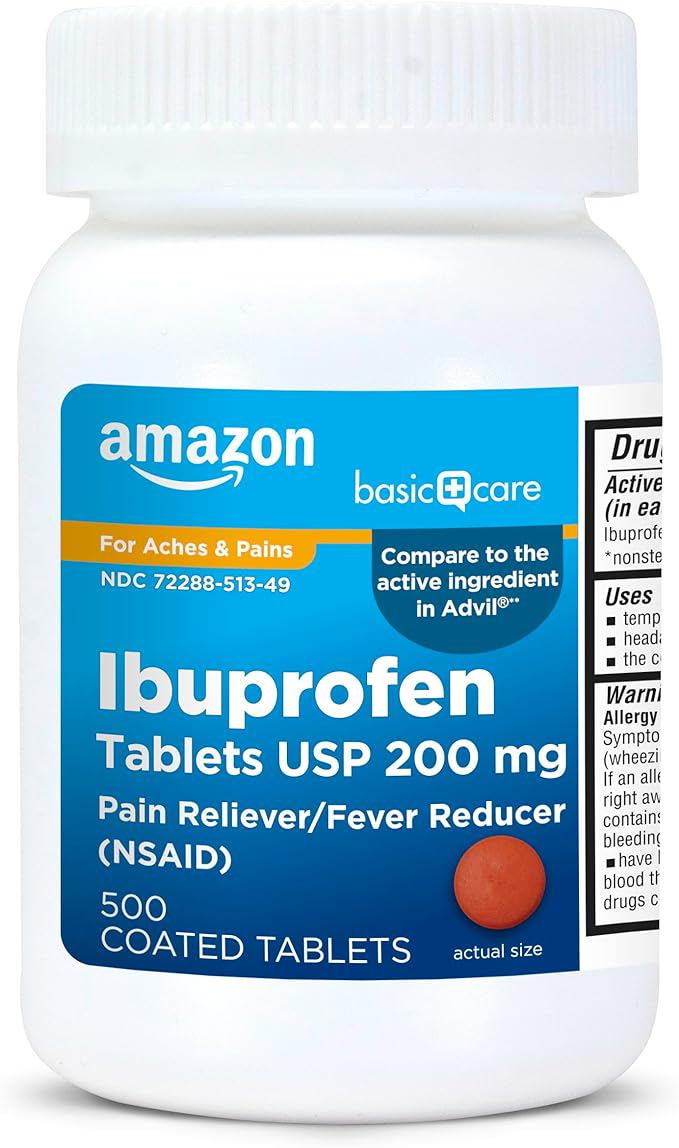
Typical menstrual cramps usually respond well to over-the-counter anti-inflammatory drugs like ibuprofen. In endometriosis, the pain is far more persistent. Teens may find that ibuprofen or acetaminophen barely takes the edge off. The pain can also escalate over months or years, rather than staying the same or improving. This progressive nature is a classic red flag.
If a teen needs to miss school or cancel activities repeatedly because period pain isn't controlled by standard medication, it's worth looking deeper.
Unlike primary dysmenorrhea, where pain typically begins just before or during menstruation, endometriosis pain may start several days before the period begins and linger for days after bleeding stops. Some teens also report pain during ovulation or even throughout the month.
Sign #2: Cramps Accompanied by Gastrointestinal Symptoms Like Diarrhea, Constipation, or Nausea
This is where the connection between period pain and bowel habits becomes crucial. Endometriosis lesions often grow on or near the bowel, bladder, or rectum. When hormones fluctuate during the menstrual cycle, these lesions also respond, causing inflammation in the digestive tract. The result can be severe diarrhea, painful constipation, bloating, or nausea that coincides with the period.
While many people experience mild digestive changes during their period, teens with endometriosis often report bowel symptoms that are severe enough to interfere with eating or daily function. Some describe a feeling of "bearing down" or sharp rectal pain during bowel movements. The presence of these gastrointestinal symptoms alongside debilitating cramps should raise suspicion.
When to Seek a Specialist
If a teen has both of these warning signs—severe cramps resistant to medication and significant gastrointestinal symptoms that peak around menstruation—it is reasonable to consult a pediatric gynecologist or a specialist in adolescent endometriosis. A thorough evaluation typically includes a pelvic exam, ultrasound, and sometimes MRI. The gold standard for diagnosis remains laparoscopy, but non-invasive imaging can provide strong clues.
Early diagnosis matters. Delays of 5 to 10 years are common in endometriosis, and during that time, the condition can progress, causing chronic pain, bowel issues, and even fertility challenges later in life. With proper treatment—including hormonal therapies, pain management strategies, and in some cases surgery—teens can experience significant relief and prevent long-term complications.
It is important to note that these signs do not confirm endometriosis on their own. Other conditions like irritable bowel syndrome (IBS), pelvic inflammatory disease, or ovarian cysts can cause similar symptoms. A comprehensive medical workup is needed to rule out other causes. However, recognizing these two specific red flags early can make the difference between years of suffering and a timely, effective treatment plan.