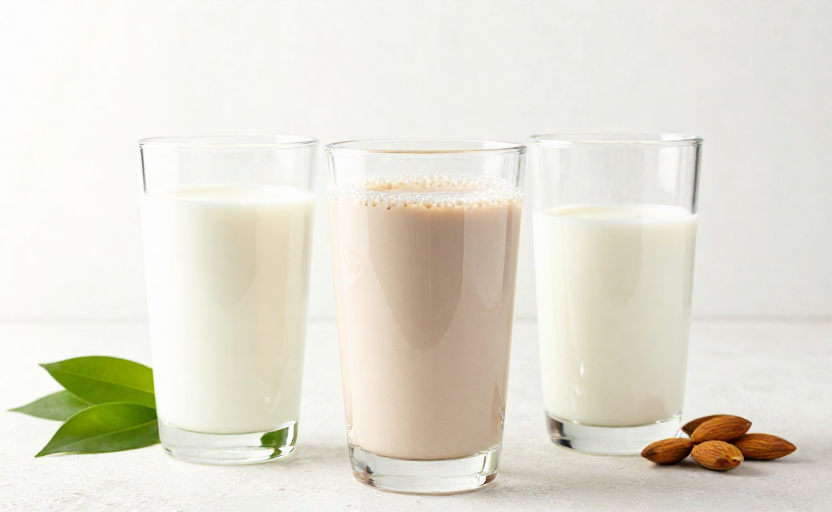
If you’ve ever noticed your skin reacting badly after a latte or a bowl of cereal, you are not imagining things. For many people, dairy is a direct contributor to hormonal breakouts—especially those deep, tender cysts that show up along the jawline and chin. While not everyone reacts the same way, two specific types of dairy are commonly implicated in acne flare-ups: skim milk and whey protein. Understanding why these affect your skin and knowing what to drink instead can help you take control of your complexion without sacrificing flavor.
Why dairy triggers breakouts in the first place
Dairy can influence your skin in several ways. The main culprits are the hormones naturally present in cow’s milk—even organic milk contains traces of bovine growth hormones and insulin-like growth factor 1 (IGF-1). High IGF-1 levels stimulate your sebaceous glands to produce more sebum, the oily substance that clogs pores. Additionally, dairy can spike your own insulin levels, which further exacerbates oil production and inflammation. This combination sets the perfect stage for hormonal acne to thrive.
Whole milk and full-fat dairy, interestingly, have a less pronounced effect compared to their low-fat counterparts. The fat in whole milk may slow down the absorption of sugar and protein, moderating the insulin response. That brings us to the two biggest offenders.
Skim milk: the low-fat trap
Skim milk sounds like the healthier choice—it has fewer calories, less saturated fat, and more calcium per serving. But for your skin, it’s often worse than whole milk. During processing, the fat is removed, but the milk is often fortified with powdered milk solids to improve texture. These powdered proteins, specifically casein and whey, can raise IGF-1 levels even more effectively than the fat-containing version. Multiple large-scale observational studies, including those from the Harvard School of Public Health, have found that people who drink skim milk tend to have more acne than those who drink whole milk or no milk at all.
If you drink skim milk in your coffee, smoothies, or cereal and struggle with breakouts, this could be the missing link. The good news is that swapping it out for a nondairy alternative often leads to noticeable improvement within two to four weeks.
Whey protein: the hidden trigger in your shake
Whey protein is a byproduct of cheese production and is commonly added to protein powders, meal replacement shakes, and even some yogurts. It’s prized for being rapidly absorbed by muscles, making it a staple in the fitness world. However, whey is a potent IGF-1 booster. Since it’s milk-derived, it carries the same hormonal baggage as regular dairy—often in a more concentrated form.
Men and women who add whey protein to their post-workout shakes frequently report a sudden onset of acne, particularly on the back, shoulders, and jawline. In dermatology clinics, this is now commonly referred to as “whey acne.” The reaction can happen within days of starting a new protein powder, and it resolves when the person switches to a plant-based protein source.
A quick rule of thumb: if your protein powder contains “whey isolate” or “concentrate,” and you are breaking out, try switching to pea, hemp, or brown rice protein for two weeks to see if your skin clears.
What to drink instead: skin-friendly swaps
Replacing dairy does not mean giving up creamy drinks or satisfying smoothies. Here are the best substitutes based on how they affect your skin and your overall nutrition.
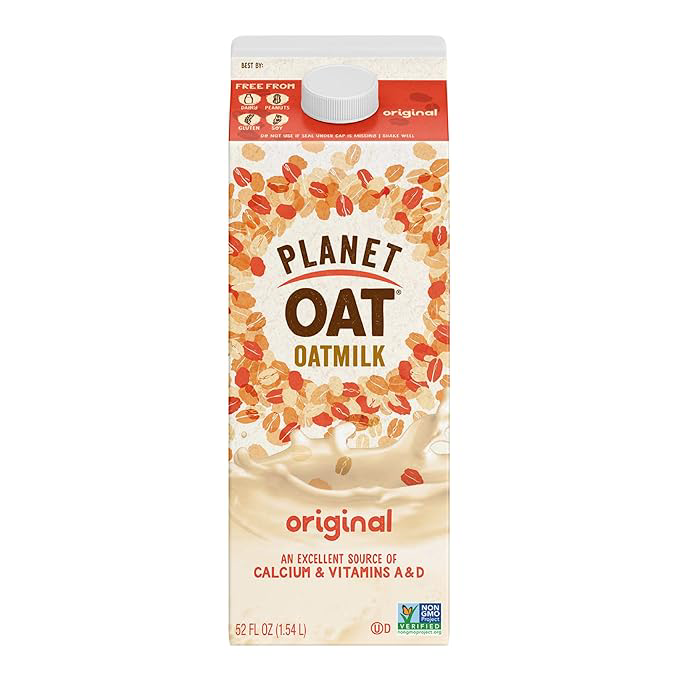
Unsweetened oat milk for coffee and lattes
Oat milk has become a barista favorite because it foams well and has a neutral, slightly sweet taste. It is naturally free of dairy hormones and contains beta-glucan, a soluble fiber that supports gut health—which in turn can improve skin clarity. Stick to unsweetened versions to avoid added sugar, which is its own driver of breakouts.
Unsweetened almond milk for cereal and smoothies
Almond milk is very low in calories and has a low glycemic index, meaning it will not spike your blood sugar. It does contain a fraction of the protein of dairy milk, so for smoothies intended as meal replacements, you may want to add a nondairy protein powder alongside it. Look for brands fortified with calcium and vitamin D to match what you would get from cow’s milk.
Pea protein shakes for post-workout recovery
If you rely on protein shakes, pea protein is your best bet. It is rich in branched-chain amino acids, supports muscle repair, and does not contain the IGF-1-stimulating compounds found in whey. Many pea protein powders are now flavored and mix as smoothly as their dairy-based counterparts. Hemp and pumpkin seed protein are also excellent options.
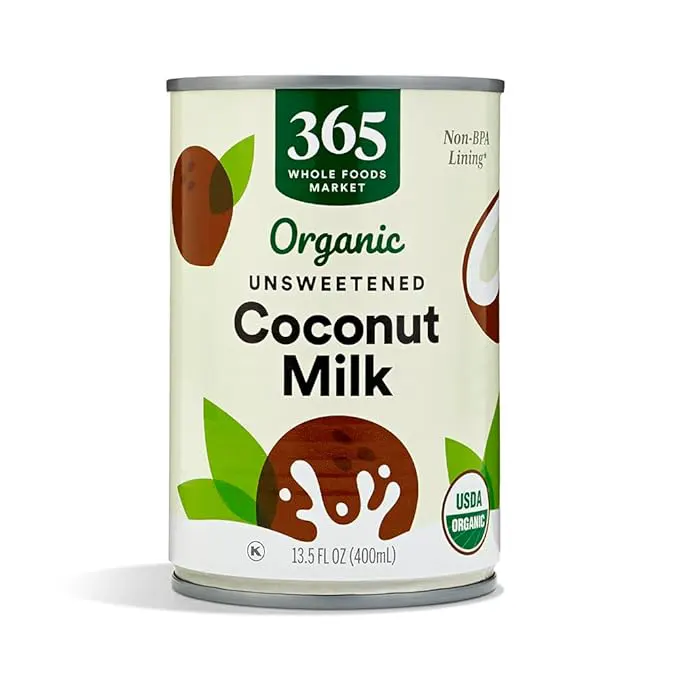
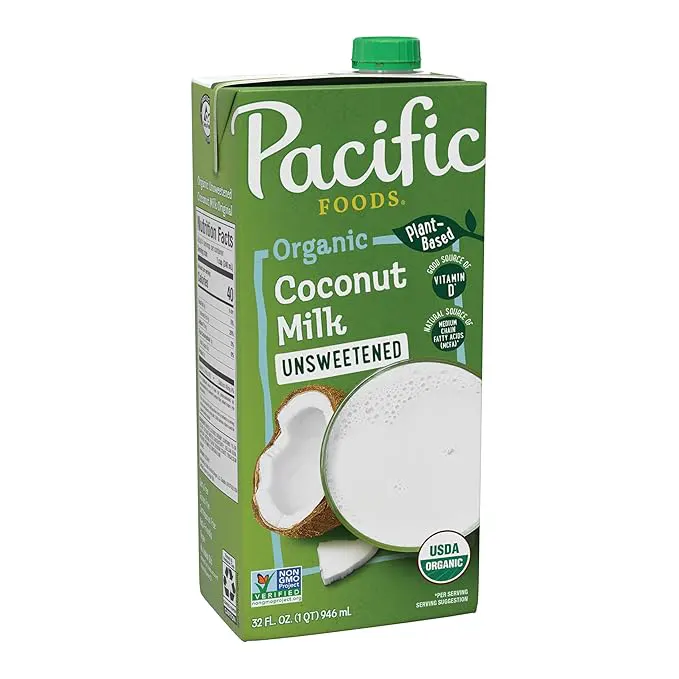
Coconut milk for cooking and baking
Canned coconut milk (full-fat) is excellent for curries, soups, and baking. It adds creaminess without the dairy. Be mindful that it is higher in saturated fat than other milk alternatives, but for most people, the fat from coconuts does not have the same acne-triggering effect as dairy-derived hormones.
How to test your own reaction to dairy
Every person’s skin responds differently. The most reliable way to know if dairy is a problem for you is to do a controlled elimination. Cut out all dairy—but especially skim milk and whey protein—for a full three weeks. Take a photo of your skin at the start and note any active breakouts. At the end of three weeks, reintroduce one serving of skim milk or whey and see if you react within 48 hours. Many people who do this test see a clear pattern emerge.
Note: This is not a medical prescription. If you suspect a food sensitivity or have severe acne, consult a board-certified dermatologist or a registered dietitian for personalized guidance.
Can you ever go back to dairy?
Some people can tolerate full-fat dairy in moderation (such as yogurt or cheese) without seeing breakouts, while others react to even small amounts of milk. The key difference is often the form of the dairy. Fermented dairy like yogurt and kefir contains probiotics that may offset some of the inflammatory effects, and the fat content in cheese may blunt the insulin response. If you want to keep dairy in your diet, try sticking with plain Greek yogurt or aged cheeses like cheddar or gouda, and see how your skin handles them.
Ultimately, your skin is a reflection of your internal environment. Removing skim milk and whey protein—the two most potent dairy triggers—is a simple, evidence-backed step that can make a real difference in reducing hormonal breakouts. Paired with a consistent skincare routine and adequate hydration, this one change might be enough to help you finally get ahead of stubborn breakouts.