
You know that feeling when your body seems to be speaking a different language than it used to? One day you're interested, and the next, you could take it or leave it. For many women in perimenopause and menopause, these fluctuations aren't random—they're your hormones signaling a shift. While every woman's journey is unique, two specific symptoms often act as clear markers that hormonal changes are directly influencing your libido.
1. Persistent Vaginal Dryness That Goes Beyond Occasional Discomfort
This isn't just about needing a little extra lubricant sometimes. We're talking about dryness that makes intercourse uncomfortable or even painful, and that lingers even when you're in the mood. Estrogen plays a starring role in maintaining the elasticity and natural lubrication of your vaginal tissues. As estrogen levels drop—especially during perimenopause and menopause—those tissues can become thinner, less flexible, and drier.
How This Affects Your Desire
Your brain and your body are in constant conversation. If your body is sending pain signals during intimacy, your brain will quickly learn to associate sex with discomfort rather than pleasure. Over time, this can dampen your anticipation and lower your libido. You may find yourself avoiding physical intimacy not because you don't love your partner, but because you unconsciously know it won't feel good. This is a very real, physical barrier that has nothing to do with your emotional connection.
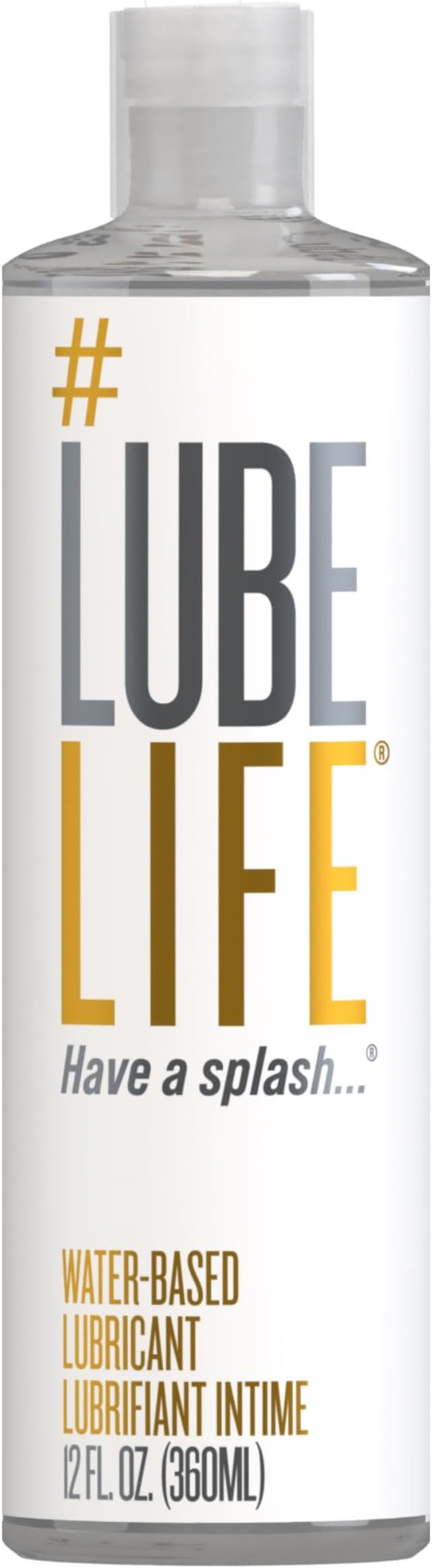
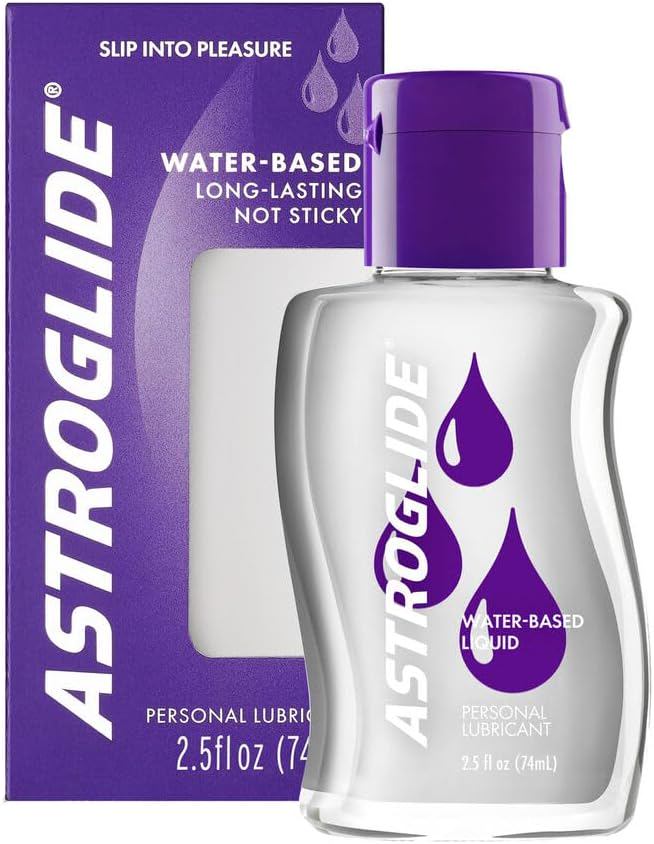
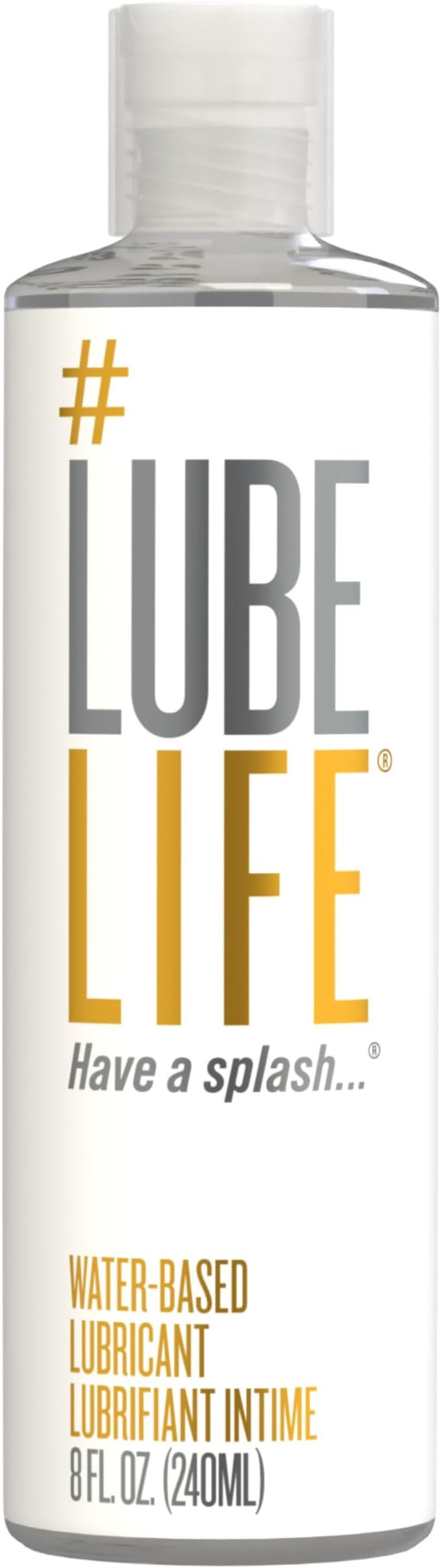
Quick tip: A good-quality, water-based lubricant or vaginal moisturizer can help manage symptoms. Many women find symptom relief with over-the-counter options, but persistent issues should be discussed with your healthcare provider.
2. A Drop in Spontaneous Desire (Even When You're Happy in Your Relationship)
Remember when a romantic movie scene or a simple touch could spark a surge of interest? You might notice that these spontaneous moments of desire become rarer. This is different from low relationship satisfaction—you may feel close to your partner and even enjoy sex once you're engaged in it, but the initial 'urge' just isn't there as often.
Testosterone and estrogen work together to fuel your sex drive. Testosterone is often credited with desire, but estrogen is equally important for sensitivity and arousal. When estrogen declines, your brain's response to sexual cues can become muted. This phenomenon is so common in perimenopause that many women mistake it for a personal failing or a problem with their relationship, when it's actually a predictable hormonal shift.
What You Can Do
- Reframe your expectations: Recognize that spontaneous desire may decrease, but responsive desire (desire that builds in response to physical stimulation) often remains strong. This means you might need to intentionally make time for intimacy, trusting that desire will follow.
- Focus on foreplay: Without the automatic spark, giving your body more time to physically respond is key. Extended foreplay can help coax responsive desire to the surface.
- Talk to your partner: Explaining that this is a hormonal shift, not a lack of love, can relieve pressure and open the door to new, comfortable ways of connecting.
Why These Two Symptoms Matter
Vaginal dryness and loss of spontaneous desire are telltale signs because they directly involve the tissues and pathways influenced by estrogen and testosterone. While other symptoms like mood swings, hot flashes, or sleep disruption can also impact libido indirectly, these two are often the most direct physical evidence of hormonal change affecting your sex drive.
When to Seek Help
If you're experiencing either of these symptoms regularly, it's worth bringing up with your healthcare provider. Options like low-dose vaginal estrogen, lubricants, moisturizers, or lifestyle adjustments can make a significant difference. You don't have to accept discomfort or a vanished libido as your new normal.