
You are probably aware that high cholesterol itself does not cause symptoms. It is a stealth condition, often discovered only after a routine blood test or—worse—after a cardiovascular event. But while the condition may be silent, your body sometimes sends subtle signals that something is off. Two of the most overlooked warning signs are leg cramps and shortness of breath. These symptoms are easy to dismiss as signs of aging or being out of shape, but for many people, they are actually early clues that cholesterol buildup has started to narrow their blood vessels.
Below, we break down what these two warning signs feel like, why they happen, and what to do if you notice them. This is general wellness education—it is not a substitute for medical advice. If you are experiencing any of these symptoms, especially if they are new or persistent, please see a healthcare provider for a full assessment.
How High Cholesterol Leads to Symptoms
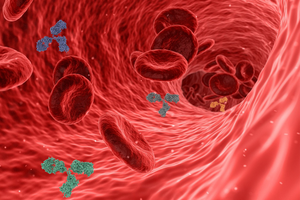
To understand why leg cramps and shortness of breath are linked to high cholesterol, it helps to know what is happening inside your arteries. Cholesterol is a waxy substance that your body needs to build cells and make certain hormones. But when levels of low-density lipoprotein (LDL)—the so-called “bad” cholesterol—get too high, the excess can stick to the inner walls of your arteries. Over time, that buildup hardens into plaques. This process is called atherosclerosis.
Atherosclerosis narrows your arteries, making it harder for blood to flow freely. When blood flow is restricted, the tissues and organs downstream do not get enough oxygen. That oxygen shortage is what creates the symptoms. Leg cramps happen when the leg muscles are starved for oxygen during activity, and shortness of breath occurs when the heart or lungs cannot get enough oxygen to meet your body’s demands.
Why Leg Cramps Can Be a Sign of High Cholesterol
What to look for
Not all leg cramps are the same. A typical “charley horse” that wakes you up at night is often due to dehydration or electrolyte imbalances and typically resolves in a few minutes. The leg cramps related to high cholesterol are different. They usually occur in the calves, thighs, or buttocks during physical activity—walking, climbing stairs, or hiking—and go away after a few minutes of rest. That specific pattern is called intermittent claudication.
As the plaques narrow the leg arteries, the muscles do not receive enough oxygen during exertion. The cramping pain is the muscle’s way of saying it is running out of fuel. You might notice that you can walk a predictable distance—say, two blocks—before the cramping starts, and then you stop, rest, and feel fine enough to walk another two blocks before it returns. That predictability is a red flag.
A quick check: If you are over 50 and have risk factors for high cholesterol (family history, high blood pressure, diabetes, smoking, or being overweight), do not ignore new leg cramps during walking. Talk to your doctor about a simple ankle-brachial index test, which compares blood pressure readings in your ankle and arm to assess circulation.
Shortness of Breath and the Link to Cholesterol
Shortness of breath is often associated with lung problems like asthma or COPD, but it can also be a direct sign that your heart is struggling to pump blood against narrowed arteries. When cholesterol plaques build up in the coronary arteries—the vessels that supply the heart muscle itself—your heart may not get enough oxygen when you exert yourself. The result is a sensation of breathlessness, often accompanied by chest tightness or pressure (angina).
How to tell it apart
Breathlessness linked to cholesterol buildup typically follows a pattern: it happens during exertion and resolves with rest. You might feel winded climbing a single flight of stairs that used to be easy, or you may notice you cannot keep up with your usual walking pace without having to stop and catch your breath. Unlike a lung-based shortness of breath, which can be accompanied by wheezing or coughing, cholesterol-related breathlessness often feels more like a “heavy” or “tight” sensation in the chest.
Sometimes, the shortness of breath is the only symptom—especially in women, who are more likely than men to experience “atypical” heart symptoms that do not include crushing chest pain. If you find yourself feeling unusually breathless during everyday activities, or if the feeling comes on suddenly and does not go away quickly with rest, it is worth a medical check.
Other Silent Clues to Watch For
While leg cramps and shortness of breath are two of the most common subtle signs, there are a few others that may accompany them:
- Chest discomfort (angina): A feeling of pressure, squeezing, or fullness in the center of the chest, especially during physical activity or stress.
- Fatigue: Unusual tiredness that feels disproportionate to the activity you did. This is another symptom that is often ignored or blamed on poor sleep.
- Numbness or coldness in the lower legs or feet: This can happen if the arteries are so narrowed that blood flow is severely reduced, even at rest.
When to See a Doctor
If you have any of the symptoms above, especially if you have known risk factors for high cholesterol, do not wait for them to get worse. Here is what you should do:
- Schedule an appointment with your primary care provider and request a lipid panel (a blood test that measures total cholesterol, LDL, HDL, and triglycerides).
- Be specific about your symptoms. Tell the doctor exactly what you feel, when it happens, and how long it lasts.
- If you smoke, talk to your provider about cessation strategies. Smoking accelerates atherosclerosis dramatically.
The key is to treat high cholesterol as a whole-body risk factor. Even if you feel fine, the damage is happening silently inside your arteries. Detecting it early gives you the best chance to make changes that can protect your heart and your quality of life.
Bottom line: Leg cramps that come and go with walking, and shortness of breath that resolves with rest, are not just annoying—they may be early calls from your circulatory system asking for attention. A simple blood test and a conversation with your doctor can help you know for sure.