
When it comes to preventing sexually transmitted infections, most people know the basics: use a condom, get tested regularly, talk to your partner. But sometimes the steps we think are protective can actually increase risk. Health professionals have identified two specific mistakes that are surprisingly common—and they can undermine the very protection you're trying to build.
These aren't rare edge cases. They happen because of well-intentioned but incomplete information. Let's look at what they are and how to avoid them.
Mistake #1: Using the wrong type of lubricant with condoms
A condom is only as effective as its integrity. And one of the most overlooked factors is what you pair it with. Oil-based lubricants—things like petroleum jelly, baby oil, lotion, or even coconut oil—can break down latex in seconds. This creates microscopic tears that make condoms far less reliable.
There's a moment in many health classes where someone says "use lube" without explaining the difference between oil-based and water- or silicone-based formulas. That small detail matters a lot. When latex condoms contact oil, the material weakens and can fail during use. You may not even notice until after the fact.
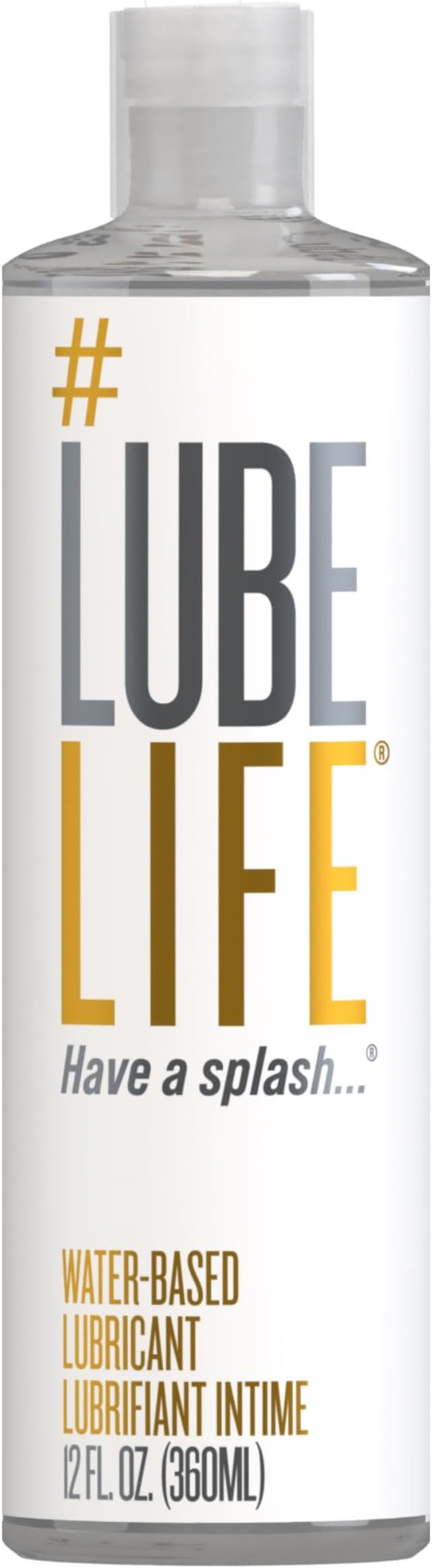
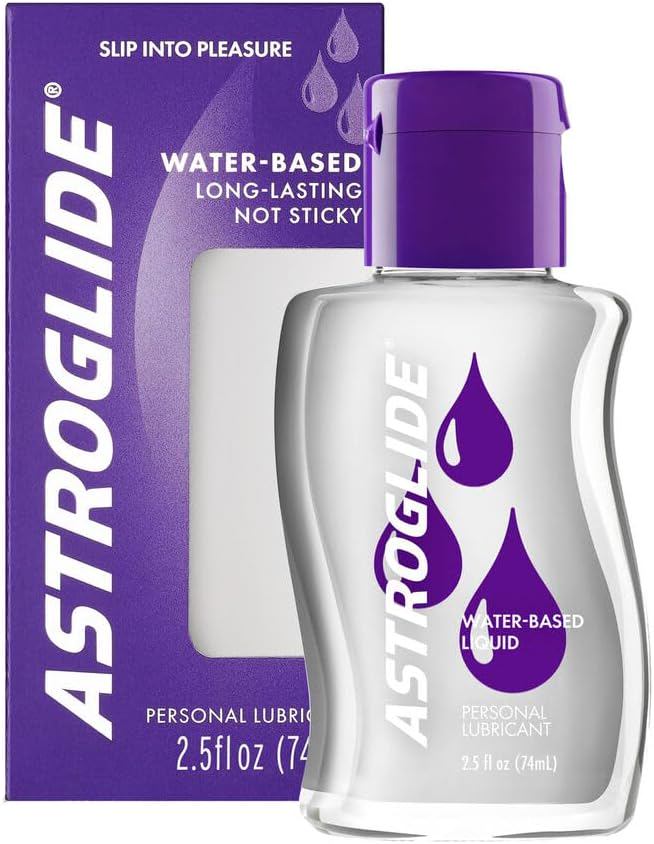
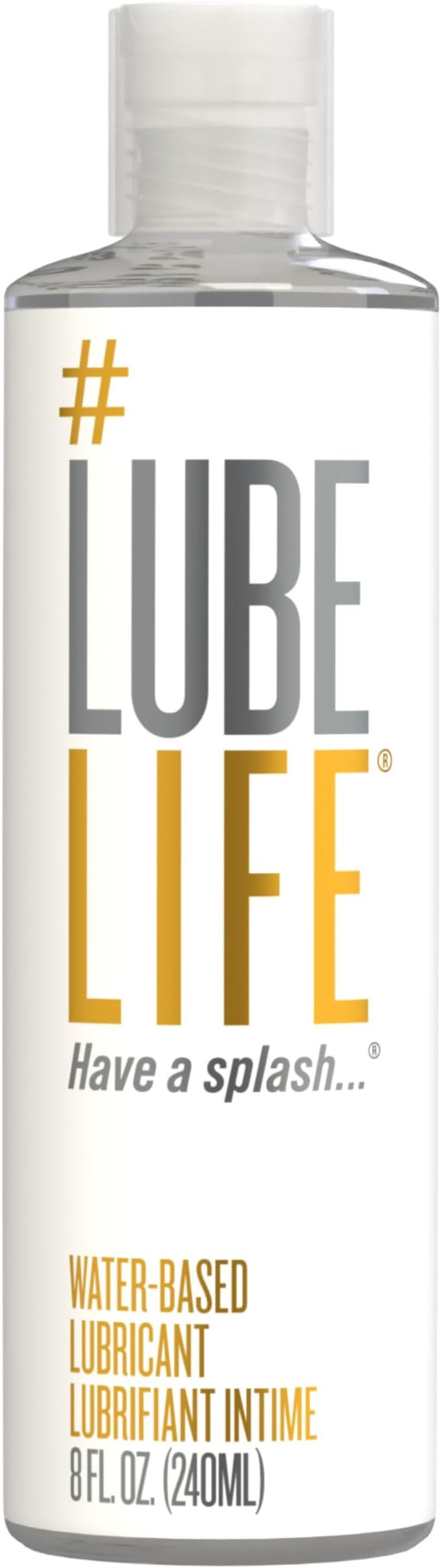
The fix: Always check the label. Only use water-based or silicone-based lubricants with latex condoms. If you're using polyurethane or other non-latex condoms, oil-based lubricants are generally safe—but it's still wise to double-check the product instructions.
Mistake #2: Relying on withdrawal or "pulling out" as primary prevention
This one is more common than many realize. Withdrawal—removing the penis before ejaculation—is sometimes used as a method to prevent pregnancy, but it's also mistakenly treated as STI prevention. It doesn't work that way.
STIs can be transmitted through pre-ejaculate fluid, skin-to-skin contact, and mucosal exposure before, during, and after ejaculation. Infections like herpes, HPV, gonorrhea, and chlamydia can spread simply through contact with infected tissue or fluids, not just semen. Even when someone "pulls out" every time, they can still contract or pass on an infection.
Relying on withdrawal instead of a barrier method like condoms or dental dams is one of the most common missteps in STI prevention. People often assume that because they don't see fluid, there's no risk. That assumption is false.
The fix: For STI prevention, use a barrier method from start to finish, every time. Condoms, internal (female) condoms, and dental dams are the only methods that reduce skin-to-skin and fluid contact effectively.
Why these mistakes persist
Both mistakes share a theme: they come from relying on incomplete or outdated information. In the case of lubricants, the advice to "use lube" often skips the critical distinction between oil and water. With withdrawal, many people learn about it as a fertility-awareness method but never get the clear message that it offers zero protection against infections.
Social scripts play a role, too. In conversations between partners, suggesting a condom can feel awkward, and withdrawal can feel like a compromise. But compromise on protection is a gamble with your health.
What actually works for STI prevention
Effective STI prevention is not complicated, but it does require consistency and a few key choices:
- Use a barrier method every time you have vaginal, anal, or oral sex. Condoms, internal condoms, and dental dams all reduce infection risk significantly.
- Get tested regularly—not just when you have symptoms. Many STIs are asymptomatic, and the only way to know is through a test.
- Talk with your partner openly about your prevention strategies. It doesn't have to be awkward. A simple, direct conversation can help both of you stay safe.
- Keep water-based or silicone-based lube on hand if you want to reduce friction and keep condoms intact.
- If you're unsure about a product, check the label or ask a pharmacist. A few seconds of reading can save a lot of worry later.
It's also worth remembering that STI prevention is not just about avoiding infection—it's about respecting your own body and your partner's. When you choose the right methods, you're taking care of your long-term health.
A note about emergency prevention
If you find yourself in a situation where you suspect a condom failure or had unprotected sex, emergency measures exist. Post-exposure prophylaxis (PEP) for HIV must be started within 72 hours. Emergency contraception is available for pregnancy prevention. And a healthcare provider can prescribe medication or testing as needed. But these are backups, not everyday solutions.
Prevention done right means never having to rely on the emergency option. The two mistakes above are easy to fix once you know about them. And making those small corrections can dramatically improve your protection.
If you have more questions about STI prevention or want to talk through your specific situation, a healthcare provider or sexual health clinic can give you personalized guidance. No question is too small or too awkward—that's what they're there for.