
When we think about high blood sugar in children, most of us imagine the obvious signs: excessive thirst, frequent bathroom breaks, perhaps unexplained weight loss. But as a health editor who has spent years tracking pediatric wellness trends, I can tell you that the early warning signals are often far subtler—and they can be easy to miss unless you know exactly what to look for.
The two most commonly overlooked signs involve things parents might chalk up to a growth spurt, a busy school week, or just a kid being a kid. Yet catching these clues early matters more than most people realize, especially given rising rates of type 1 diabetes diagnoses and the growing concern around insulin resistance in young bodies. Below is the research-backed truth about these hidden symptoms and what to do if they hit close to home.
1. The sleep connection that feels like a growth spurt
Your child suddenly needs more sleep than usual. They're crashing after school, napping on weekends, and still waking up groggy. Before you assume they're just going through a growth phase or staying up too late on their tablet, consider this: chronic hyperglycemia can directly disrupt a child's sleep-wake cycle.
When blood sugar runs high, the kidneys work overtime to filter and flush out the excess glucose. That nighttime urination is often too subtle for a parent or child to notice—it may just feel like a restless night, not a bathroom run. The real tip-off is the daytime tiredness that doesn't go away after a good night's rest. Unlike the typical fatigue from a busy week, this exhaustion is persistent and often paired with a gluey, unfocused feeling.
What to watch for: Increased sleep beyond typical age-appropriate needs that lasts more than a week, especially if combined with complaints about feeling tired in the morning or needing to urinate during the night.
2. The behavioral change no one talks about
Irritability in children is usually attributed to hunger, hormones, or a skipped nap. But a less obvious connection runs through blood glucose levels. When a child's body can't properly use the sugar in their blood, their brain—which relies on steady fuel—begins to struggle. In younger children, this can look like sudden mood swings, meltdowns over small frustrations, or unusual clinginess. In school-age kids and teens, it often manifests as short temper, difficulty concentrating, or an unwillingness to engage in conversations.
This symptom is doubly tricky because high blood sugar can also cause mild dehydration in the brain, which amplifies emotional reactivity. A parent I spoke with recently described her kindergartener as having become a different person for three weeks before his diagnosis—resistant to play, quick to cry, and unusually withdrawn. The signs resolved within days of proper glucose management.
It is critical never to dismiss a shift in your child's emotional baseline without considering a physical cause. When the temper seems disproportionate or the foggy focus can't be explained by a typical bad day, a quick blood sugar check can be more telling than any behavioral intervention.
Why these signs often slip through
Both of these symptoms share a common thread: they mimic normal childhood experiences. Parents are conditioned to expect changes in sleep and mood during development, and most pediatric visits that mention these concerns without other red flags will not trigger a diabetes screening. A 2019 study in Pediatric Diabetes noted that up to 30% of children newly diagnosed with type 1 diabetes had seen a doctor for non-specific symptoms—including fatigue and irritability—within the preceding month without a glucose test being ordered.
The difference lies in the pattern. Normal growth-related fatigue improves after rest. Normal moodiness passes when the immediate trigger resolves. Signs related to high blood sugar tend to be persistent, present almost daily, and often accompanied by something as subtle as a slightly sweet smell on the breath or a recurring skin infection like a stubborn diaper rash or boil that won't heal.
When should a parent be concerned enough to ask for a screening?
You do not need to rush to the emergency room for every tired or grumpy child. But the threshold for a conversation with your pediatrician should be lower than most guidelines suggest if you observe the following combination:
- Persistent fatigue lasting more than two weeks without a clear cause such as illness, growth spurt, or disrupted schedule
- New or worsening irritability or mood swings that feel out of character and appear alongside changes in eating or bathroom habits
- Thirst that has subtly increased—not necessarily consuming gallons of water, but notably more than what is typical for your child on a warm day or after physical activity
When you mention these symptoms to a doctor, be specific. Say: “My child has been tired most days for the last three weeks. They also seem more irritable than normal and I've noticed they are using the bathroom more at night. Could we check their blood sugar?” This targeted language is more likely to result in a simple finger-stick test or a urine glucose screen than a vague complaint about being tired.
What happens after detection
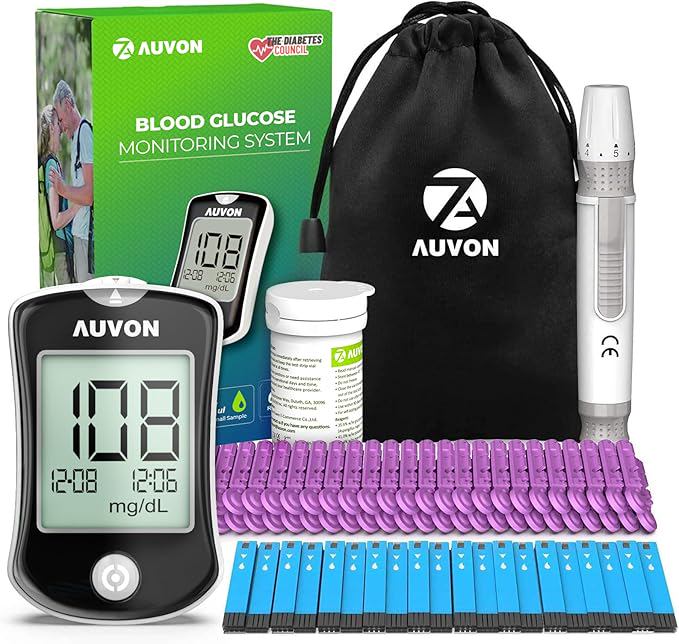
If your child does receive a diagnosis of prediabetes or diabetes, do not panic. Modern pediatric care has advanced dramatically. The goal of catching these hidden signs early is not to frighten you, but to give your child the best possible start with proper management so they can live a full, active life. Monitoring tools, continuous glucose monitors, and family-centered education programs have made it far more manageable than even a decade ago.
For children without diabetes but with repeated high blood sugar readings, lifestyle adjustments guided by a pediatrician or a pediatric dietitian can often restore normal levels. Simple changes like reducing sugary drinks, adjusting portion sizes at meals, and ensuring regular physical activity—without making a child feel punished or singled out—can be very effective.
Bottom line: Trust your gut. You know your child's patterns better than any chart or checklist. If those two hidden signs—unexplained tiredness and mood changes—start showing up together and linger, a blood sugar check is a straightforward, low-stress next step.