If you're dealing with cystic acne, you know it's not your typical breakout. Those deep, tender bumps form under the skin and can take weeks to settle. Even worse, a few daily routines you might consider harmless could be actively fueling the inflammation. Let's look at two common habits that often make cystic acne more stubborn — and how you can shift them to support clearer skin.
Habit #1: Over-cleansing and using harsh scrubbers
When your skin feels oily or bumpy, it's tempting to scrub hard and wash frequently. But cystic acne is rooted in inflammation deep within the follicle. Aggressive cleansing strips the outer barrier, causing the skin to produce more oil in response and increasing irritation. This sets off a cycle where the original cyst becomes angrier, more swollen, and slower to heal.
Think of your skin barrier like a protective wall. When you break it down with high-foam cleansers, gritty scrubs, or cleansing brushes, bacteria and other irritants have a much easier time getting into those deep pores. The result is more inflammation where you already have cysts.
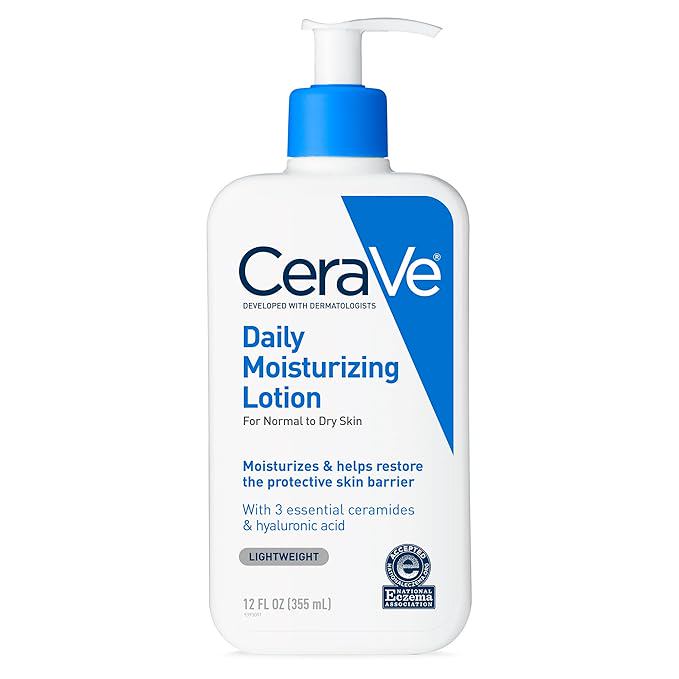
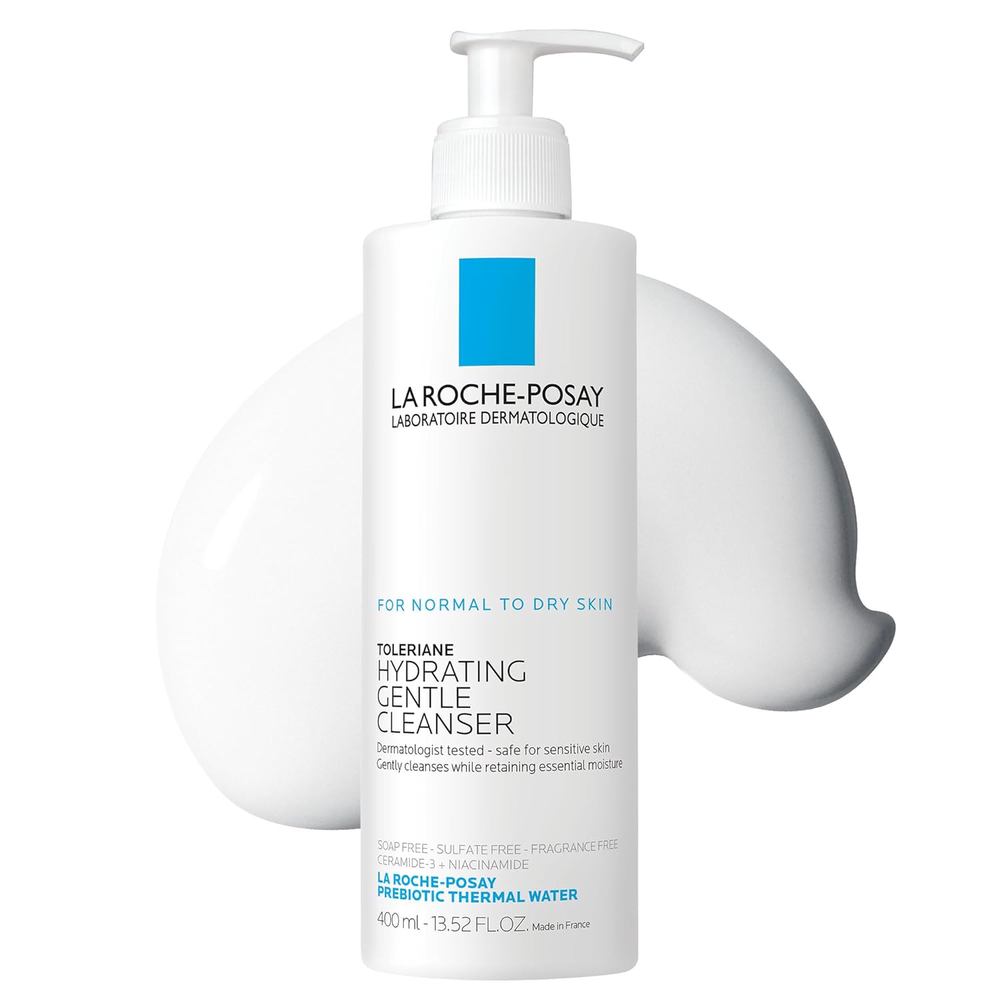
How to break it: Switch to a gentle, non-stripping cleanser that respects your acid mantle. Look for options with ingredients like ceramides or glycerin. Wash no more than twice a day. Let your skin regulate itself — pat dry, don't rub. Your cysts need calm, not combat.
Habit #2: Eating on the go (especially high-glycemic foods)
Here's where daily nutrition sneaks into the picture. Cystic acne often responds to how your body handles sugar and insulin. When you eat foods that spike your blood sugar — think sugary lattes, white bread, pasta, sweet snacks — your body releases insulin-like growth factors that can ramp up oil production and inflammation. This is a well-documented pathway that can worsen cystic breakouts.
It's not about never eating these foods. It's about recognizing that habitually relying on them — especially on an empty stomach or as your main fuel — keeps your insulin levels on a rollercoaster. For someone predisposed to cystic acne, that ride shows up on your face.
How to break it: Build meals around protein, vegetables, and healthy fats first. Even a small change — like having a handful of almonds or a boiled egg before a pastry — can slow that blood sugar spike. Over a few weeks, you might notice fewer new cysts forming.
A quick note: Diet is personal. Not everyone with cystic acne reacts to sugar, but if your breakouts correlate with certain foods, that pattern is worth exploring with a balanced approach.
Both habits share a common thread: inflammation
Whether you're scrubbing your skin too hard or giving your body a steady stream of high-glycemic foods, the underlying engine is inflammation. Cystic acne isn't just about clogged pores — it's about the body's immune response going into overdrive. Breaking either of these habits reduces the fuel for that fire. Doing both? That's a solid foundation for long-term improvement.
Small changes, real impact
You don't need a 10-step routine or a strict diet to see a difference. Often, it's the simple, overlooked habits that matter most. Give your skin gentle care and give your body foods that steady your blood sugar. Consistent with these two shifts, you may find those deep cysts become less frequent and less severe over time.