When your body loses blood each month, it also loses iron. That's why many women feel more tired, foggy, or low on energy around their period — especially if their iron stores are already on the low side. Eating iron-rich foods helps, but there's a catch: not all iron is absorbed equally well. Pairing the right foods with those iron sources can make a real difference in how much your body actually gets to use.
Here is the simple strategy that dietitians recommend: combine non-heme iron (the type found in plants and some animal sources) with a vitamin C source or a small amount of animal protein. The result is better absorption and less fatigue during your cycle. Below are the two key food pairings that work.
Why absorption matters more than intake
It's one thing to eat spinach or lentils; it's another for your body to take that iron into your bloodstream. Non-heme iron, which is the form present in most plant foods, is harder to absorb than the heme iron found in red meat. During menstruation, your body's demand for iron increases. If you rely solely on leafy greens or fortified cereals without a helper food, you might not get the full benefit.
Pairing a vitamin C source with an iron-rich plant food can increase iron absorption up to six times.
This is not a new discovery — it is well-documented in nutrition science. But it's easy to forget in the moment, especially when cravings strike during your period. Rather than reaching for tea or coffee with a bean-based meal (both can inhibit absorption), try these two evidence-based pairings instead.
1. Vitamin C with plant-based iron
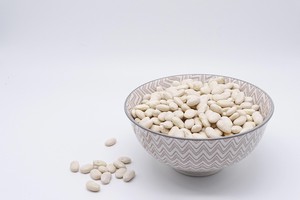
This is the most straightforward and effective pairing you can make. Vitamin C binds to non-heme iron and helps your intestine absorb it more readily. The iron in foods like lentils, chickpeas, spinach, kale, tofu, and fortified oatmeal all benefit from a vitamin C boost.
Easy pairings to try:
- A squeeze of lemon or lime over a lentil or spinach dish
- Chopped bell peppers mixed into a bean salad
- A small orange or a few strawberries eaten right after your meal
- Tomato-based sauces served with iron-rich lentils or beans
- Broccoli or cauliflower as a side to a tofu stir-fry
One serving of fruit or a half-cup of vegetables rich in vitamin C is enough to improve absorption significantly. You don't need a supplement — just fresh or lightly cooked produce at the same meal.
2. Small amounts of heme iron (animal protein) with plant meals
Heme iron, found in meat, poultry, and fish, is absorbed more easily by the body. Interestingly, when you eat a small amount of heme iron alongside a plant-based iron source, it can boost the absorption of the non-heme iron too. This is sometimes called the "meat factor."
Simple ways to do this:
- Add a few strips of chicken or a spoonful of ground beef to a lentil soup
- Include a small piece of salmon alongside a spinach and quinoa bowl
- Top a bean burrito with a little shredded chicken or fish
- Use bone broth as a base for vegetable and bean stews
You do not need a large portion. Even two to three ounces (about the size of a deck of cards) at a meal can help your body absorb more iron from the vegetables and legumes on your plate.
What to avoid around iron-rich meals
Just as some foods help, others can get in the way. Calcium and tannins are the main inhibitors. Dairy products (milk, cheese, yogurt) and calcium-fortified foods can reduce iron absorption when eaten at the same time. Similarly, tea and coffee contain tannins that bind to iron and block uptake.
Wait at least one to two hours after an iron-rich meal before having dairy or a cup of tea or coffee. This simple timing tweak can preserve the benefit of your carefully paired meal.
Practical tips for your period week
During your cycle, your energy and appetite may fluctuate. Here is how to apply these pairings without overcomplicating your day:
- Breakfast: Oatmeal fortified with iron, topped with berries (vitamin C)
- Lunch: Spinach salad with sliced oranges, chickpeas, and a few grilled chicken strips
- Dinner: Lentil dal with a squeeze of lemon and a side of sautéed bell peppers
- Snack: Apple slices with almond butter (apple provides vitamin C, and nuts contain some iron)
If you find it hard to eat large portions, focus on the vitamin C pairing — it is the easiest to add and does not require any animal products. A handful of strawberries, a glass of orange juice, or a handful of cherry tomatoes can make a measurable difference.
When diet alone may not be enough
If your periods are heavy or you consistently feel drained despite eating well, it is wise to talk with your healthcare provider. Some women may need an iron supplement, but that should be guided by a blood test and professional advice. Food pairings are a supportive strategy, not a replacement for medical care.
Small changes in how you combine foods can turn a so-so meal into a nutrient-boosting one. During your period, when your body is working harder and losing iron daily, those little pairings matter more than you might think. Try the vitamin C trick or a small side of protein with your next iron-rich meal and see if you notice a difference in your energy.