For anyone living with diabetes, a small cut or blister on the foot can quickly escalate into a serious medical problem. Diabetic foot ulcers are open sores that develop when high blood sugar damages nerves (peripheral neuropathy) and reduces circulation to the feet. Once an ulcer forms, the risk of infection, hospitalization, and even amputation rises dramatically. The good news is that prevention is often a matter of consistent, daily habits. Here are two expert-backed habits that can significantly lower your risk.
Habit 1: A Daily, Hands-On Foot Inspection
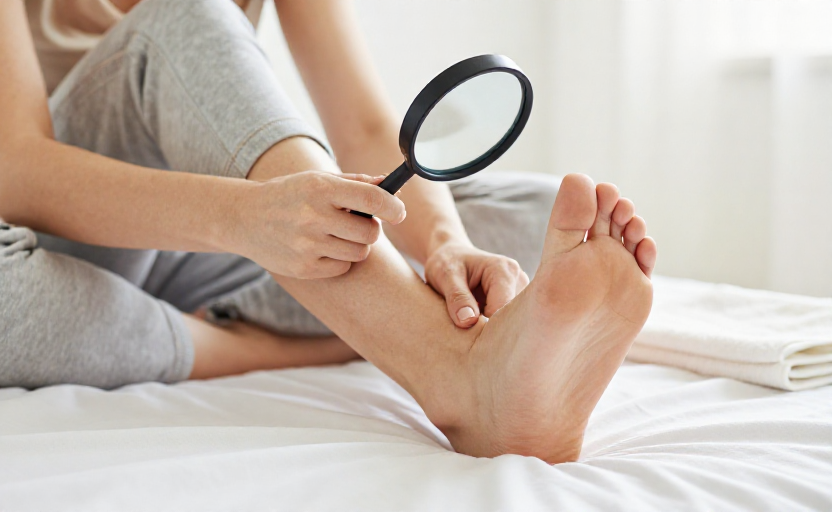
When your feet have lost some sensation, you cannot rely on pain to warn you of a problem. This makes a daily visual and tactile check non-negotiable. It is the single most effective way to catch trouble early.
Make it a fixed part of your routine
Choose a time that already exists in your day—right after you shower or before you put on your socks in the morning. Sit in a well-lit room, place a mirror on the floor, and look at every surface of each foot: the tops, the soles, between the toes, and around the heels. If you cannot bend easily, ask a family member to help or use a long-handled inspection mirror.
What exactly are you looking for?
You are checking for any break in the skin. Specifically, look for:
- Cuts, scratches, or blisters that you may not have felt.
- Redness or swelling, which can signal pressure or early infection.
- Calluses or corns, especially if they look thick or have a dark center (which can indicate bleeding beneath the surface).
- Dry, cracked skin, especially around the heels, as cracks are entry points for bacteria.
- Changes in color (pale, red, or blue-tinged skin) or temperature differences between your feet.
If you find anything concerning—no matter how small—do not wait. Clean the area gently with mild soap and water, apply a sterile dressing, and call your healthcare provider. Most foot ulcers start as a tiny, overlooked spot.
"The daily foot check is the cornerstone of prevention. It's not about being paranoid—it's about being proactive." — Dr. Laura C. Smith, DPM, board-certified podiatrist.
Habit 2: Keep Your Feet Clean and Moisturized—But Not Between the Toes
Proper foot hygiene is a two-part habit: washing and moisturizing. Both must be done correctly to protect vulnerable skin.
Wash gently with lukewarm water
Wash your feet every day with lukewarm (not hot) water and a mild, non-irritating soap. Hot water can burn feet that have lost sensation. Test the water temperature with your elbow or a thermometer—aim for around 92°F to 95°F (33°C to 35°C). Gently scrub with a soft washcloth, paying attention to the spaces between your toes. Rinse thoroughly and pat dry with a soft towel. Do not rub; patting avoids irritating the skin.
Moisturize, but avoid the toe webs
Dry, cracked skin is a common precursor to an ulcer. After washing, apply a fragrance-free, urea-based or lanolin-based moisturizer to the tops and bottoms of your feet. However—and this is critical—do not apply moisturizer between your toes. That area needs to stay dry to prevent fungal infections (like athlete's foot), which can also break the skin and invite bacteria. If the skin between your toes is dry, use a small amount of cornstarch to keep it dry.
Beyond the Two Habits: What Else Matters
While these two habits are the foundation, they work best when combined with good general foot care practices:
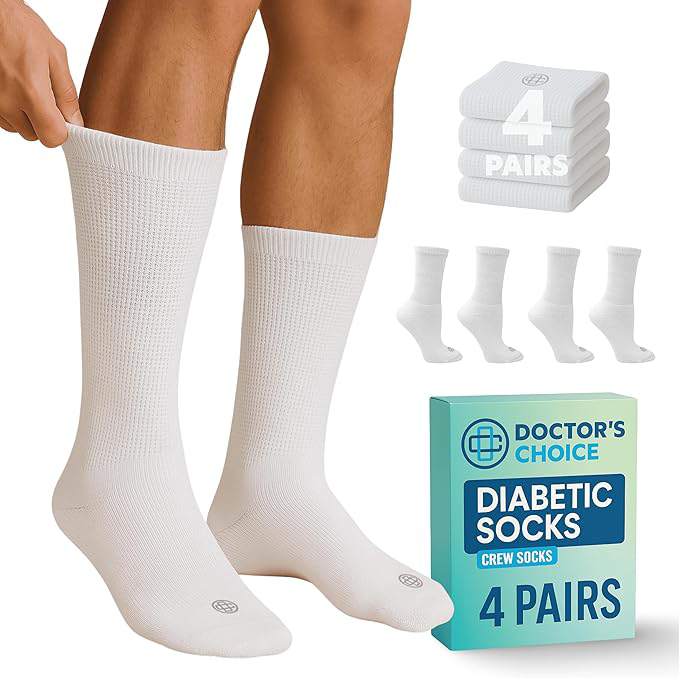
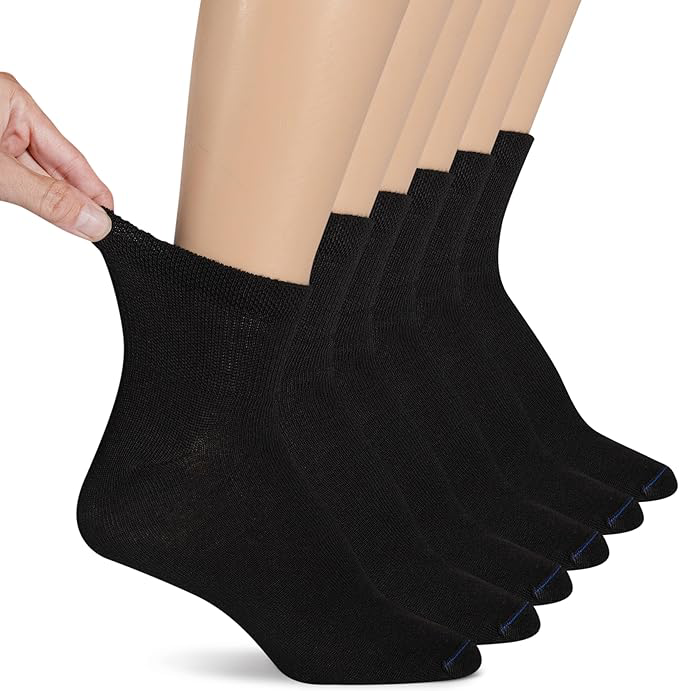
- Wear properly fitting socks and shoes at all times. Never go barefoot, even inside the house. Look for seamless, moisture-wicking socks and shoes with a wide toe box. Get your feet measured each time you buy new shoes—your foot shape can change over time.
- Have a professional foot exam at least once a year. Your healthcare provider or a podiatrist can check your circulation with a simple test (using a Doppler device) and test for loss of sensation with a monofilament tool. They can also safely trim calluses or corns—never try to cut them yourself.
- Manage your blood sugar, blood pressure, and cholesterol. High blood sugar directly damages blood vessels and nerves. Keeping your A1C in your target range is the most powerful way to slow or prevent neuropathy and poor circulation.
- Avoid smoking. Smoking constricts blood vessels even further, dramatically increasing the risk of an ulcer that won't heal.
Developing these two habits—daily inspection and careful washing/moisturizing—takes only a few minutes each day. But for someone with diabetes, those minutes are an investment in staying mobile, independent, and free from a serious complication. Start today. Look at your feet. Then wash them well. Your future self will thank you.