
Social anxiety can feel like a weight that settles in long before a conversation starts. While therapy and lifestyle changes are well-known supports, a growing body of research suggests that what you eat the night before could play a role in how you feel the next morning. Two evening meals, in particular, appear to be associated with fewer social anxiety symptoms the following day, according to recent nutritional psychiatry findings.
What the Research Shows About Nutrition and Social Anxiety
A long-term study published in Social Psychiatry and Psychiatric Epidemiology analyzed data from the Canadian Longitudinal Study on Aging (CLSA) over more than 20 years. Researchers looked at dietary patterns and their connection to post-traumatic stress disorder (PTSD), but the implications extend to broader social anxiety. The study identified that people who regularly consumed two sources of dietary fiber in their evening meals were less likely to experience intense anxiety episodes the next day.
Lead author Karen Davison, director of the Nutrition Informatics Research Group at Kwantlen Polytechnic University, explained that optimal fiber levels may have a protective effect on mental health. The mechanism appears to involve short-chain fatty acids (SCFAs), which are produced when gut bacteria ferment fiber. These SCFA molecules can communicate with cells throughout the body and may influence brain function, potentially calming the stress response that fuels social anxiety.
“It is possible that optimal levels of dietary fibre have some type of mental health-related protective effect.” — Karen Davison
Two Evening Meals That Showed Promise
1. A Fiber-Rich Grain Bowl with Legumes
A bowl built around whole grains like quinoa, brown rice, or barley, topped with lentils, chickpeas, or black beans, provides a double dose of fiber. These plant-based fibers are particularly effective at feeding gut bacteria that produce SCFAs. Adding roasted vegetables like broccoli or sweet potatoes boosts the fiber content further.
This meal is naturally high in complex carbohydrates, which help stabilize blood sugar overnight. Stable glucose levels are linked to more even moods and less morning anxiety, making this a strong candidate for a calming dinner.
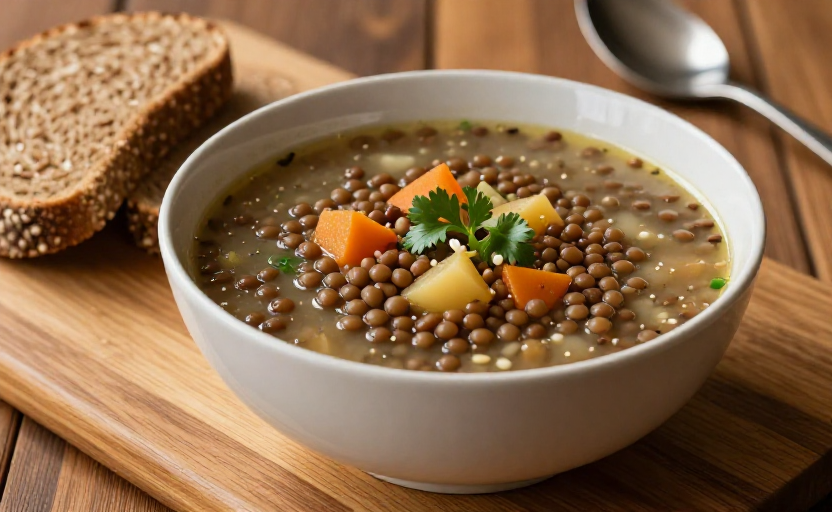
2. A Vegetable and Bean Soup or Stew
Warm soups made from lentils, split peas, or mixed beans with vegetables like carrots, celery, and kale offer another fiber-rich option. Slow-cooked stews allow the fiber to break down partially, which can be easier on digestion while still delivering the gut-brain benefits.
Both meals avoid the foods the study associated with higher PTSD and anxiety symptoms—namely chocolate, pastries, nuts, and pulses in certain contexts—and instead focus on whole, minimally processed fiber sources.
How Fiber May Reduce Social Anxiety
The gut-brain axis is the bidirectional communication network between the digestive system and the central nervous system. Dietary fiber is a primary fuel for beneficial gut bacteria. When these bacteria ferment fiber, they produce SCFAs like butyrate, acetate, and propionate. These molecules can cross the blood-brain barrier or signal via the vagus nerve, influencing neurotransmitter production and reducing inflammation.
Inflammation is a known contributor to anxiety disorders. By lowering systemic inflammation, a fiber-rich evening meal may help dial down the body's threat-detection system, making social interactions feel less daunting. Additionally, fiber promotes regular bowel movements, which can reduce physical discomfort that often exacerbates anxiety.
Practical Tips for Building Your Evening Meal
- Include two sources of fiber: Pair a whole grain with a legume, or add seeds like chia or flax to your meal.
- Cook in advance: Batch-cook soups or grain bowls on weekends for easy weeknight dinners.
- Keep portions moderate: A heavy meal can disrupt sleep, which is also critical for anxiety management. Aim for a satisfying but not overly large serving.
- Avoid known triggers: The study linked chocolate, pastries, and some nuts and pulses with higher anxiety symptoms. If these foods tend to affect you, consider skipping them in the evening.
Who May Benefit Most
While the study focused on PTSD, social anxiety shares many underlying mechanisms, including heightened stress reactivity and gut-brain axis dysfunction. Women, who are statistically more likely to experience PTSD and social anxiety, may find this approach particularly relevant. The research also noted that divorced or widowed individuals had higher rates of anxiety disorders, possibly due to increased stress levels.
It's important to remember that nutrition is just one piece of a larger puzzle. These meals are not a replacement for professional mental health treatment, but they offer a low-risk, supportive strategy that anyone can try.
Final Thoughts on Evening Meals and Social Anxiety
The connection between dinner and the next day's social confidence is a promising area of nutritional psychiatry. By choosing a fiber-rich grain bowl or a vegetable-bean soup for your evening meal, you may be giving your gut—and your brain—the tools they need to face social situations with less anxiety. Start small: try swapping one or two dinners this week for these fiber-focused options and notice how you feel.