If you’re on birth control and still dealing with painful period cramps, what you drink could be making it worse. Two common beverages can interfere with how your body handles hormones and inflammation, potentially ramping up the very discomfort you’re trying to ease.
Many people think menstrual pain is just something to endure—especially when they’re already taking the pill, patch, or ring. But certain drinks can reduce the effectiveness of birth control at stabilizing your cycle and managing prostaglandins, the hormone-like compounds that trigger uterine contractions and pain. Here’s what to watch out for and why cutting these two drinks might make your next period noticeably easier.
The Caffeine Problem
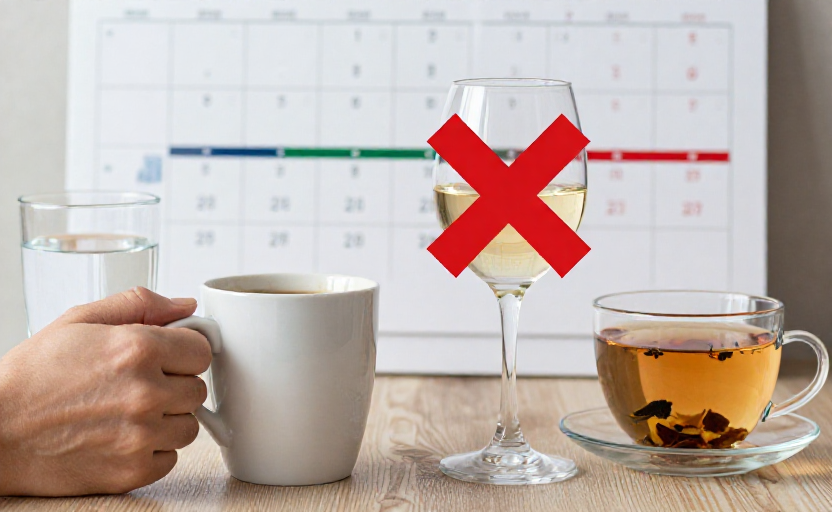
Your morning coffee or afternoon soda may be working against you. Caffeine is a vasoconstrictor, meaning it narrows blood vessels. During your period, your uterus needs good blood flow to help shed its lining efficiently. When blood vessels tighten, that process becomes more painful and can intensify cramping.
Additionally, caffeine can amplify anxiety and jitteriness—two feelings that already tend to spike during your menstrual cycle. For anyone on hormonal birth control, the liver is already working overtime to metabolize estrogen and progestin. Adding caffeine adds another compound that your liver has to process, which can subtly shift how efficiently your birth control hormones are cleared from your system.
A practical swap: Try switching to decaf coffee, herbal tea, or simply warm water with lemon during the week before and during your period.
It’s not just coffee. Energy drinks, black tea, green tea, colas, and even some bottled waters with added caffeine all count. If you’re sensitive, even one cup can make cramps worse. If you have two or more caffeinated drinks daily, you may be unintentionally amplifying pain.
The Alcohol Factor
A glass of wine or a cocktail might seem relaxing, but alcohol can worsen period cramps in several ways. First, it causes dehydration. Even mild dehydration makes muscles—including your uterine muscles—more prone to cramping and spasms. When you’re already contracting to shed your lining, dehydration can make those contractions sharper and more prolonged.
Second, alcohol affects how your liver processes hormones. Hormonal birth control relies on consistent hormone levels in your bloodstream. When you drink alcohol, your liver prioritizes breaking down the alcohol, which can delay the metabolism of estrogen and progestin. This can lead to breakthrough spotting, irregular bleeding, and yes—more cramping as your cycle gets thrown off balance.
Third, alcohol can increase inflammation throughout your body. Prostaglandins are already high during menstruation; alcohol can push those levels even higher, directly increasing pain sensitivity.
What about just one drink?
An occasional drink is unlikely to cause major problems for most people. But if you’re already prone to severe cramps, even one or two drinks in the days leading up to your period could tip the scales. Sticking to water, electrolyte drinks, or herbal infusions during that window may give you noticeable relief.
Beyond Drinks: What Else Helps with Cramps on Birth Control
Cutting back on caffeine and alcohol isn’t a magic cure, but it’s a low-effort change that can have real effects. Here are a few other strategies that work well alongside hormonal contraception:
- Hydrate consistently. Aim for 6–8 glasses of water daily, and increase that during your period. Dehydration magnifies pain.
- Eat anti-inflammatory foods. Berries, leafy greens, ginger, turmeric, and fatty fish like salmon all help reduce prostaglandin activity.
- Move gently. Walking, stretching, or yoga improves pelvic blood flow and helps relax the muscles that are cramping. Even 10 minutes makes a difference.
- Consider magnesium. Some research suggests magnesium can ease cramp severity. It’s found in nuts, seeds, dark chocolate, and leafy greens—or you can talk to your doctor about a supplement.
It’s also worth noting that not all birth control methods are equally effective at reducing cramps. Combined hormonal contraceptives (pills with both estrogen and progestin) tend to be better at suppressing ovulation and thinning the uterine lining, which often leads to lighter, less painful periods. Progestin-only methods (like the mini-pill or hormonal IUD) can also reduce cramps over time, but some people experience more irregular bleeding initially.
When to Talk to Your Doctor
If you’ve tried cutting caffeine and alcohol, improved your hydration, and still have debilitating period pain, there may be an underlying issue. Conditions like endometriosis, uterine fibroids, or pelvic inflammatory disease can all cause severe cramps that birth control alone doesn’t fix. Your doctor can help determine if a different birth control method or additional treatment is right for you.
Painful periods aren’t something you just have to put up with. Sometimes small adjustments—like changing what you drink—can make a meaningful difference, especially when paired with the stabilizing effects of hormonal birth control.