That breakout that shows up like clockwork right before your period? You might be making it worse without realizing it. Two common daily habits—one involving what you eat, the other involving what you put on your skin—can silently aggravate hormonal acne around your cycle. Here is what experts want you to know, and what to do instead.
Habit #1: Reaching for sugary or high-glycemic snacks when cravings hit
It is completely normal to crave carbs, chocolate, or something sweet in the days leading up to your period. Your body's energy needs shift, and serotonin levels dip—so reaching for a cookie or a bag of chips feels natural. Unfortunately, those high-glycemic foods can cause a rapid spike in blood sugar, followed by a crash. That spike triggers a rise in insulin, which in turn can stimulate androgen hormones and increase sebum (oil) production. The result: clogged pores and inflamed breakouts.
This does not mean you have to avoid all treats. The key is swapping refined sugars and white flour for more balanced options. Think dark chocolate with a high cocoa content (70% or more), a small handful of nuts with a few dark chocolate chips, or a smoothie made with berries and yogurt. These choices have a gentler effect on blood sugar and provide nutrients your body actually needs during menstruation.
A quick tip: Pairing a carbohydrate with a protein or healthy fat (like apple slices with peanut butter) helps slow down digestion and keeps blood sugar steady—so your skin is less likely to react.
Habit #2: Skimping on sleep or having an irregular sleep schedule
Sleep might not seem related to acne, but it plays a direct role in hormone regulation. When you do not get enough restful sleep—especially in the week before your period—your body produces more cortisol, the stress hormone. Cortisol can increase inflammation and cause your sebaceous glands to go into overdrive. Combine that with the natural rise in progesterone during the luteal phase, and you have a perfect storm for breakouts.
Even small disruptions matter. Staying up late a few nights in a row or sleeping irregular hours can throw off your circadian rhythm, which affects how your body processes hormones and manages inflammation. If you already have acne-prone skin, lack of sleep can make existing blemishes look angrier and new ones appear faster.
What you can do about it
Try to keep a consistent bedtime—even on weekends. Aim for seven to nine hours per night, especially in the second half of your cycle. If you struggle to wind down, consider a low-stimulation routine an hour before bed: dim lights, no screens, a warm herbal tea (like chamomile or peppermint), and possibly a magnesium supplement (talk to your doctor first). Your skin repairs itself while you sleep, so prioritizing rest is one of the simplest ways to support clearer skin during your cycle.
What about foods like pickles, lemons, and other sour items?
You may have heard that sour foods are bad to eat during your period—that they cause cramps, heavy flow, or even stop menstruation. This is an old myth with no scientific backing. Sour foods like citrus fruits, pickles, and yogurt do not affect your menstrual cycle or worsen acne. In fact, vitamin C from citrus supports collagen production and immune function, which can be beneficial for skin health. If you enjoy sour foods, there is no reason to avoid them during your period.
Three diet tips that actually help during your period
Beyond avoiding the habits above, a few targeted dietary choices can support both your energy levels and your skin during menstruation.
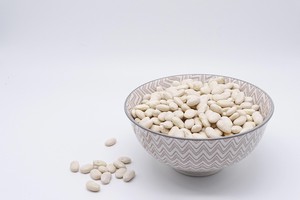
- Eat more protein. Protein helps stabilize blood sugar and keeps you full longer. Options like eggs, chicken, fish, yogurt, and legumes are all good choices.
- Focus on iron-rich foods. Blood loss during menstruation can deplete iron stores. Include spinach, lentils, pumpkin seeds, and lean red meat to help maintain healthy levels.
- Choose a balanced, nutrient-dense diet overall. Aim for three to four balanced meals per day that include vegetables, whole grains, healthy fats, and lean protein. This gives your body the steady fuel it needs without the insulin spikes that can aggravate acne.
Period acne does not have to be a given. By addressing these two daily habits—unstable blood sugar from high-glycemic snacks and poor sleep—you can reduce the severity of breakouts around your cycle. Small adjustments make a real difference over time, and your skin will thank you.