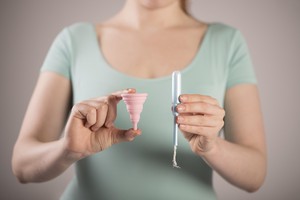
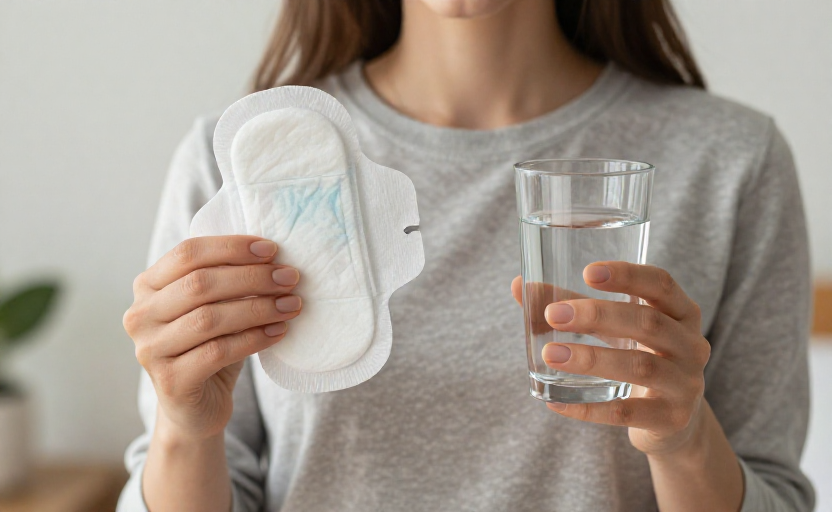
You might be careful about what you eat, how you exercise, and how you manage stress — yet your menstrual cycle still feels off some months. Sometimes, the culprits aren't major lifestyle overhauls or medical conditions. They're small, everyday habits that fly under the radar. Here's a closer look at two common routines that can quietly affect your cycle, and what you can do about them without overhauling your whole life.
The habit you might not connect to your cycle: using scented menstrual products
It's natural to want to feel fresh during your period. That's why scented pads, tampons, and liners appeal to so many people. The idea that they mask odor and leave you feeling cleaner seems like an easy win. But Dr. Ranjana Becon, consultant gynaecologist at Columbia Asia Hospital in Ghaziabad, warns that these products come with a hidden trade-off for your cycle health.
“Scented napkins may increase the chances of infection in the genital area as their top layer is laden with chemicals used to add fragrance,” she explains. “When they come in direct contact with the skin, soft tissues, and blood vessels, they may cause irritation, itching, and swelling.”
That irritation isn’t just uncomfortable — it can throw off your vaginal microbiome, which plays a role in hormonal balance and cycle regularity. Many women don't realize that the fragrance chemicals can disrupt the natural pH of the vagina, leading to yeast infections or bacterial vaginosis. These conditions, in turn, can cause spotting, changes in discharge, or even delay your next period as your body works to restore equilibrium.
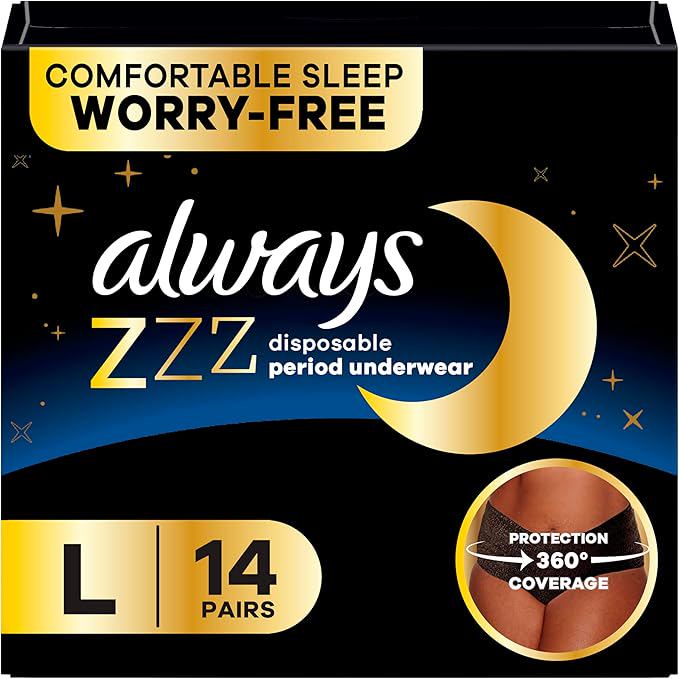
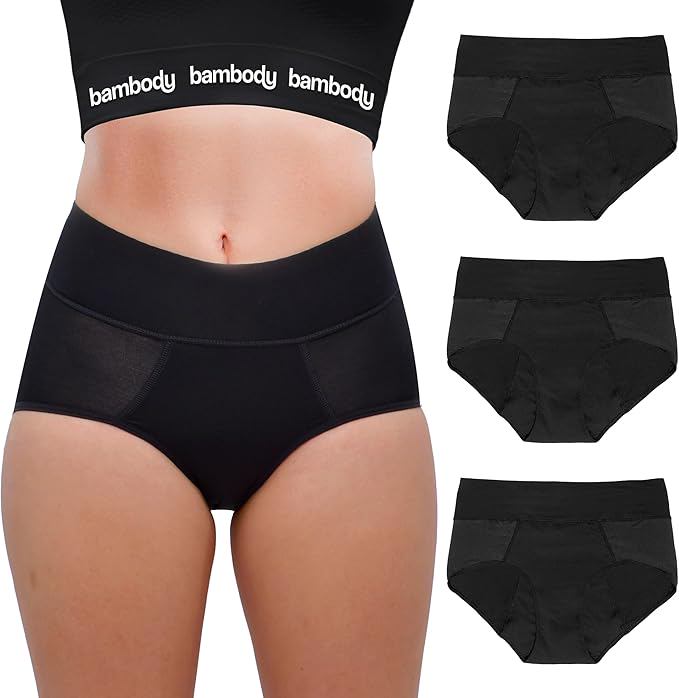
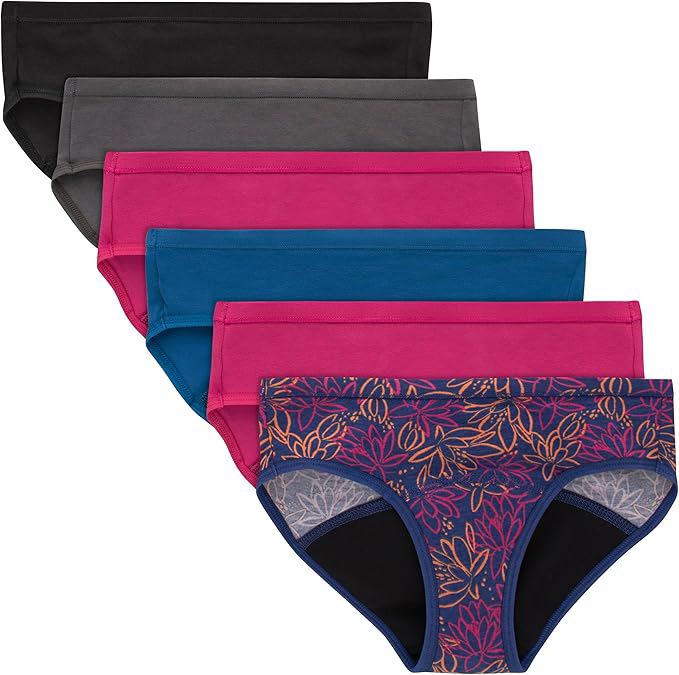
Quick swap: Switch to unscented, organic cotton pads or period underwear. Your body will thank you — and your cycle may become more predictable.
Another sneaky disruptor: over-cleaning or using intimate washes
You've probably seen shelves full of “feminine hygiene” washes, wipes, and deodorants that promise to keep you fresh and clean. But your vagina is a self-cleaning organ. Dr. Becon explains that douching or using scented intimate washes can actually backfire: “It can increase the risk of vaginal infections and pelvic inflammatory diseases (PID), which can eventually hamper a woman’s chances of conceiving and cause problems during pregnancy.”
The problem is that these products strip away beneficial bacteria and alter your vaginal pH. When that delicate balance is disturbed, your body may respond with inflammation, irregular bleeding, or a delayed ovulation. Many women don't connect their cycle irregularities to a daily shower habit, but the link is real. Even small changes in your vaginal flora can send signals to your endocrine system that disrupt your natural rhythm.
Dr. Becon recommends sticking with plain water and — if needed — a mild, fragrance-free antifungal soap for external cleansing. That's it. No special washes, no douching, no scented wipes. Your body knows how to handle the rest.
What about other common mistakes?
Beyond these two habits, there are other everyday choices that can quietly interfere with your menstrual cycle:
- Wearing a tampon too long: Leaving a tampon in for more than 6–8 hours, especially overnight, increases your risk of toxic shock syndrome (TSS) and vaginal infections. Set an alarm for a middle-of-the-night change, or switch to a pad before bed.
- Skipping showers during your period: Fatigue or cramping might make you avoid bathing, but not showering can leave you feeling heavier and more prone to irritation. Dr. Becon suggests a warm shower to ease cramps and keep the area clean.
- Eating whatever you crave: That bowl of pasta or tub of ice cream may feel harmless, but Dr. Becon notes that excessive salt, sugar, caffeine, and processed foods can lead to weight gain and nutritional deficiencies — both of which can affect your cycle over time.
If you have sex during your period, vaginal hygiene becomes even more important. Dr. Becon advises washing the intimate area thoroughly before and after, and always using a condom for added protection against infections.
Small adjustments — trading scented pads for unscented ones, skipping intimate washes, and keeping up with basic hygiene — can make a meaningful difference. Your cycle is a sensitive system. Treat it with the same gentle care you'd give any other part of your health.