Chronic stress often creeps in through routines we barely notice. You might think you're being productive, careful, or even relaxed, but two common daily habits can quietly keep your nervous system on high alert. Understanding these patterns is the first step toward unwinding them.
Habit One: Constant Mental Replaying
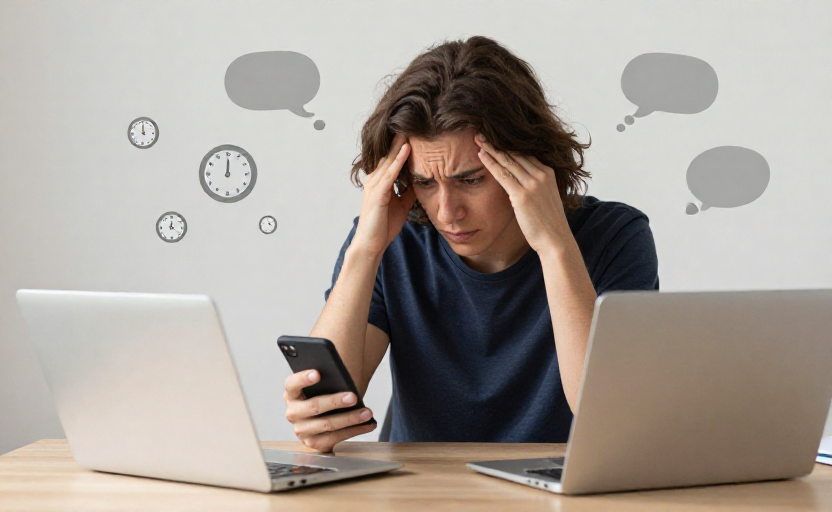
Do you find yourself rerunning a conversation from earlier in the day, imagining what you should have said? Or maybe you replay a mistake from last week, mentally editing the outcome. This habit—often called rumination—feels like problem-solving, but it actually keeps stress hormones circulating long after the original event is over.
When your brain stays stuck in a loop of “what if” or “if only,” your body stays in a low-level fight-or-flight state. Over time, this wears down your ability to recover. The result? You feel tired, irritable, and more reactive to small triggers.
A simple shift: notice when you're replaying, and gently name it. “I'm replaying again.” That awareness alone can begin to break the loop.
Habit Two: Multitasking During Downtime
The second habit is so common it's almost invisible: filling every spare moment with input. Scrolling social media while waiting in line, listening to a podcast while making dinner, checking emails during a commercial break. Your brain never gets a true pause.
Downtime is when your nervous system is supposed to reset. But if you're constantly feeding it new information, it stays engaged. This lack of true rest accumulates, and your baseline stress level creeps upward. You might not feel panicked, but you also never feel fully settled.
What This Looks Like in Real Life
Imagine finishing work and immediately opening your phone. You're not relaxing—you're still processing. The same thing happens if you eat lunch at your desk while answering messages. Your body never gets the signal that it's safe to rest.
Over weeks and months, this can contribute to symptoms that look like anxiety: trouble focusing, poor sleep, muscle tension, and a constant sense of being on edge.
How These Habits Connect to Anxiety
If you already experience anxiety or stress, these habits can make it worse. The symptoms of chronic stress overlap heavily with anxiety disorders—dizziness, headaches, nausea, racing heart, sweating, trembling, and difficulty concentrating. When you add rumination and constant input, you're essentially training your brain to stay watchful.
For some people, this can evolve into more specific patterns like generalized anxiety (worrying about many things), social anxiety (fear of being judged), or even panic episodes. But you don't need a diagnosis to feel the effects. The good news is that small changes can help.
Simple Swaps to Lower Your Baseline Stress
- Schedule true breaks. Even five minutes of doing nothing—no phone, no book, no conversation—can reset your nervous system.
- One thing at a time. When you eat, just eat. When you walk, just walk. Single-tasking is a form of rest.
- Set a “replay limit.” Give yourself two minutes to think about a situation, then consciously decide to let it go until tomorrow. Write it down if you need to.
- Create input-free zones. Keep your phone out of the bedroom, or set a 30-minute buffer after work with no screens.
These aren't big life changes. They're small adjustments that signal to your body: You're safe now. You can rest.
If stress or anxiety is interfering with your daily life, it's always wise to talk to a mental health professional. A therapist or counselor can help you identify your personal triggers and build strategies that work for you. You don't have to figure it all out alone.