When a new baby arrives, sleep becomes a precious commodity. Most parents expect some sleepless nights, but certain daily habits can turn temporary fatigue into chronic sleep deprivation. The good news is that by recognizing and adjusting these patterns, you can protect your rest without neglecting your baby.
Sleep deprivation in new parents isn't just about feeling tired—it affects mood, decision-making, and physical health. Below are two common habits that quietly steal sleep, along with practical ways to avoid them.
Habit #1: Using baby's naps as catch-all time
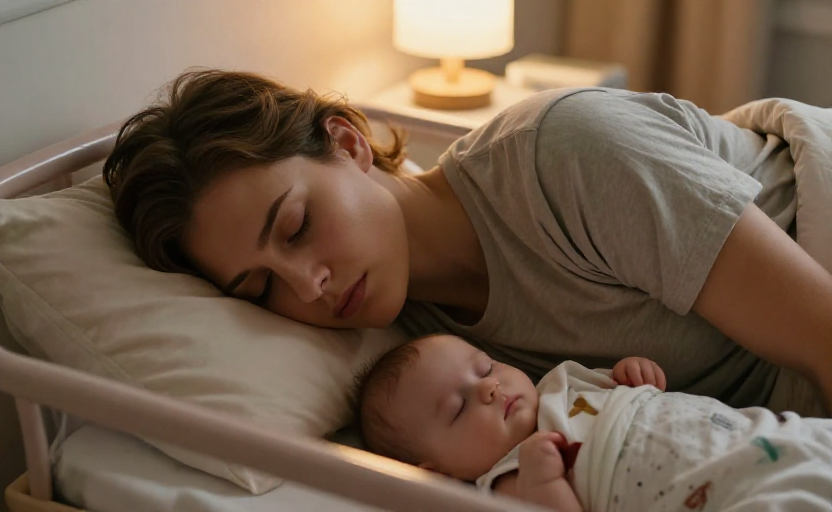
It feels logical: while the baby sleeps, you finally have a free moment. Many parents use this window to clean bottles, fold laundry, answer emails, or just scroll through their phone. The problem is that this "free time" often comes at the cost of your own rest.
When you consistently skip rest during your baby's naps, you're stacking a sleep debt that becomes harder to repay. Over weeks, this pattern erodes your sleep reserve and leaves you exhausted by evening—exactly when your baby may be most wakeful.
Aim to rest during at least one of your baby's daytime naps. Sleep doesn't have to mean a full sleep cycle; even 15–20 minutes of quiet rest can refresh your nervous system.
If lying down feels impossible, try a "power rest" instead: sit somewhere comfortable, close your eyes, breathe slowly, and let your mind drift. The goal is to briefly lower your body's stress response, not to achieve deep sleep every time.
Habit #2: Evening screen time with the lights low
After the baby finally settles for the night, many parents reach for their phone or turn on the TV to decompress. This habit feels like a well-earned break, but the blue light from screens suppresses melatonin production—the hormone that signals your body it's time to sleep.
The challenge is that new parents' sleep windows are already compressed. If your baby wakes every 2–3 hours, you cannot afford to further shorten your sleep cycle with screen-delayed melatonin onset. Even 30 minutes of bright screen exposure before bed can shift your circadian rhythm, making it harder to fall asleep quickly when you do get a chance.
What to do instead
Try a "screen sunset" about an hour before you plan to sleep. This doesn't mean staring at the ceiling—swap your phone for a non-screen wind-down routine:
- Read a physical book (low light, paper pages).
- Listen to an audiobook or calm music.
- Do gentle stretching or deep breathing.
- Write down one thing that went well today.
If you absolutely must use a device, enable a blue-light filter and lower the brightness to the minimum comfortable level. Even small reductions in screen exposure can help your brain transition toward sleep mode.
Why these habits matter more than you think
New parents often operate on a mindset of "I'll sleep when the baby sleeps," but that phrase only works if you actually do sleep when the baby sleeps. When you add nap-time productivity and evening screen use to the mix, you're essentially working against your own biology during a period when your body needs recovery the most.
Chronic sleep deprivation in new parents is linked to increased risk of postpartum depression, weight gain, weakened immune function, and impaired cognitive performance. By protecting your rest intentionally, you're not being selfish—you're ensuring you have the energy and clarity to care for your baby safely.
The two habits above are simple to adjust once you recognize them. Start with one change this week: either rest during one daytime nap, or dim the screens an hour before bed. Small shifts compound, and your sleep quality will improve even before your baby's sleep patterns change.
Remember, you won't be perfect every day—and that's okay. The goal isn't to eliminate all sleep loss, but to reduce the depth of the deficit so you can feel human again during this demanding season.