
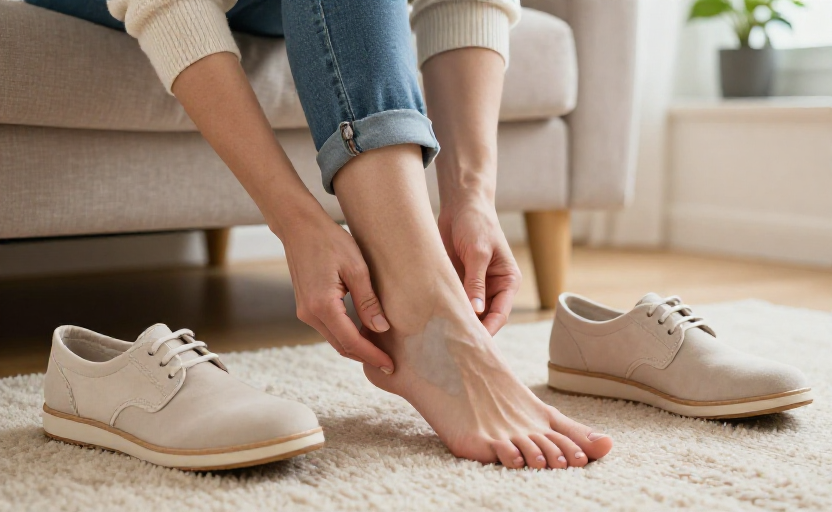
Diabetic neuropathy is one of those complications that creeps up quietly, then starts demanding your full attention. For many people managing diabetes, that attention often lands squarely on the pain — the burning, tingling, or sharp sensations in the feet and hands that can make sleep, walking, or even wearing socks feel like a challenge.
Getting through a day with neuropathic pain is hard enough. What's harder is realizing that some well-intended choices might actually be aggravating the very symptoms you're trying to ease. If you have diabetic neuropathy, there are two common missteps that can worsen your pain significantly. Let's look at what they are and what to try instead.
Mistake #1: Ignoring blood sugar variability — not just the average
When you talk to most people about blood glucose control, the conversation usually revolves around the A1C number. It's convenient. It gives a big-picture average of the last two to three months. But here's the thing about averages: they can hide a lot of chaos.
A person can have an A1C that falls within a reasonable target range yet still experience dramatic daily blood sugar spikes and dips. Those swings are a problem for nerves because nerve tissue is extremely sensitive to rapid changes in glucose concentration. When blood sugar jumps high, it triggers a cascade of metabolic events — increased oxidative stress and inflammation — that directly irritate damaged nerves. When it crashes low, the nervous system reacts with stress signals that can amplify pain perception.
Many patients and even some providers focus entirely on lowering A1C without paying attention to glucose variability. This is the first common mistake. You might feel like you are "doing everything right" because your average numbers look acceptable, but the daily roller coaster is costing you real comfort.
The better approach: Work with your healthcare team to flatten the curve. This usually involves paying closer attention to post-meal blood sugar readings (one to two hours after eating), adjusting the timing of medications or insulin to match meal composition, and being mindful of how carbohydrate-heavy meals affect your afternoon readings. Continuous glucose monitors (CGMs) are particularly helpful here because they show the real-time spikes and dips that a finger-stick test might miss.
Mistake #2: Overlooking physical stress and foot temperature
The second mistake is less about what you eat and more about how you treat your feet — and it's one that even very careful patients often miss. People with diabetic neuropathy frequently lose some degree of protective sensation in their feet, which means they can't always feel when something is wrong. Two overlooked factors that fly under that radar are physical pressure and temperature extremes.
Here is how it plays out: You put on a pair of shoes that are slightly too tight, but you don't feel the constriction. The mild pressure restricts circulation to the nerves in your feet. Over several hours, that reduced blood flow worsens nerve hypoxia — lack of oxygen to nerve tissue — which directly amplifies pain signals once you remove the shoes and blood rushes back in. The same thing happens with prolonged standing or sitting in one position.
Temperature is another hidden factor. Extremes of heat or cold can provoke neuropathic pain even in feet that feel "numb" to touch. Hot pavement, heated car floorboards, or even soaking feet in very hot water (sometimes done trying to relieve pain) can inflame already sensitive nerves. Cold exposure constricts blood vessels and reduces circulation, which also stresses the nerves. Because the feedback loop is broken — you cannot reliably feel the temperature — damage and pain can escalate without obvious warning.
You cannot rely on sensation alone to protect your feet. You have to rely on deliberate habits instead.
The better approach: Make foot checks visual rather than sensory. Look at your feet every day. Choose shoes with a wide toe box and seamless interiors — no guessing if they "feel" comfortable. Avoid going barefoot, even indoors. Check water temperature with a thermometer or your elbow before bathing. If you stand for long periods, shift your weight or take short walking breaks every 15 minutes. If your feet feel cold at night, use loose, warm socks instead of heating pads or hot water bottles.
Two patterns, one root problem
These two mistakes — treating average blood sugar as good enough and trusting numb feet to tell you when something is wrong — share a common thread. Both involve relying on incomplete information. The A1C gives a blurry snapshot; foot sensation is an unreliable messenger. Managing neuropathic pain well often means using more precise tools and more direct observation.
It is not about being perfect. Real life with diabetes is never perfectly flat or perfectly stable. But if you can spot these two patterns and start making small corrections, the difference in pain levels can be noticeable. Less variability in glucose, fewer circulation-depriving moments for your feet — those add up over weeks and months.
Talk to your endocrinologist or neurologist about how to fine-tune your glucose monitoring approach. Ask a podiatrist about proper footwear and daily foot care routines specific to neuropathy. You do not have to guess your way through this. The science is clear, and the adjustments are practical ones.