
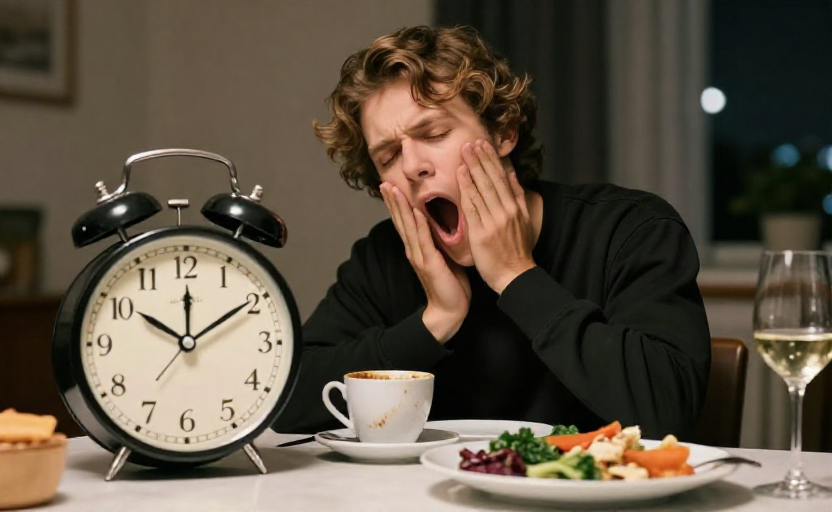
You know the drill: you finish dinner, settle onto the couch, and by 10 p.m. you’re staring at the ceiling, wide awake. For many of us, the problem isn’t stress or a noisy street—it’s two surprisingly common habits that sabotage sleep hygiene right after the last bite.
Sleep hygiene isn’t just about blackout curtains and a cool room. It’s the sequence of choices you make in the hours before bed. And according to sleep specialists, the window between dinner and lights-out is where most people trip up. Here’s what’s likely going wrong—and how to fix it without overhauling your entire routine.
Mistake #1: Eating too close to bedtime
The most common culprit is timing. When you eat a large or heavy meal, your digestive system kicks into high gear. That process requires energy, blood flow, and a certain level of metabolic activity that directly conflicts with the body’s natural shift toward rest.
If you eat dinner at 8 p.m. and go to bed at 10 p.m., your stomach is still actively breaking down food. Lying down too soon after a meal can also trigger acid reflux or heartburn, which further disrupts sleep. The general guidance from sleep researchers is to leave a 2-to-3-hour gap between your last substantial meal and your head hitting the pillow.
But what if you get hungry later? A small, light snack—like a banana, a handful of almonds, or a small bowl of plain yogurt—is fine. The key is volume and composition. Heavy proteins, fried foods, and high-fat dishes take longer to digest and are more likely to disturb your sleep cycle.
A quick caveat: If you have diabetes or a medical condition that requires eating closer to bedtime, follow your doctor’s guidance. The 2-to-3-hour rule applies to most people without specific metabolic needs.
Mistake #2: Drinking the wrong beverages after dinner
The second mistake is subtler but just as disruptive. After dinner, many of us reach for a cup of coffee, black tea, or even a soda. These drinks contain caffeine, which can stay in your system for several hours—long after you think the “buzz” has worn off.
A standard cup of coffee has about 95 milligrams of caffeine. The half-life of caffeine (the time it takes for your body to eliminate half of it) is roughly 3 to 5 hours for most adults. That means if you have coffee at 7 p.m., you could still have 40 to 50 milligrams of caffeine circulating at midnight. For some people, even small amounts can delay sleep onset and reduce the quality of deep sleep.
Alcohol is another common after-dinner trap. A glass of wine or a nightcap may make you feel drowsy at first, but alcohol disrupts the latter part of the sleep cycle—specifically REM sleep. This leads to fragmented rest and waking up feeling less refreshed.
Even seemingly harmless drinks like herbal tea can be problematic if they contain ingredients like yerba mate or guarana, which have natural caffeine. Plain water is safe, but drinking too much right before bed can cause nighttime bathroom trips.
What should you drink instead?
Stick to water in moderate amounts, or choose a truly caffeine-free herbal blend such as chamomile, lavender, or rooibos. Tart cherry juice has some research suggesting it may support melatonin production, but it’s not a magic bullet and should be consumed in small portions.
How to fix both mistakes without stress
You don’t need a rigid schedule to improve your evening habits. Here are a few small adjustments that work well for most people:
- Move dinner earlier if you can. If your usual dinner time leads to a late meal, try shifting it by 30 minutes at a time. Even a small change can help.
- Set a “caffeine cutoff” time. Aim for no caffeine after 2 p.m. or 3 p.m. This gives your body enough time to process it before bed.
- Replace after-dinner coffee with a warm, caffeine-free alternative. A mug of hot water with lemon, or a simple herbal tea, can still feel like a ritual without the stimulating effects.
- Stop drinking anything (except small sips) 60 to 90 minutes before bed. This helps reduce nighttime bathroom breaks.
If you do these two things consistently—leave enough digestion time and avoid stimulants after dinner—you’ll likely notice a difference in how quickly you fall asleep and how rested you feel in the morning. Sleep hygiene isn’t about being perfect; it’s about removing the obvious roadblocks your body doesn’t need.