
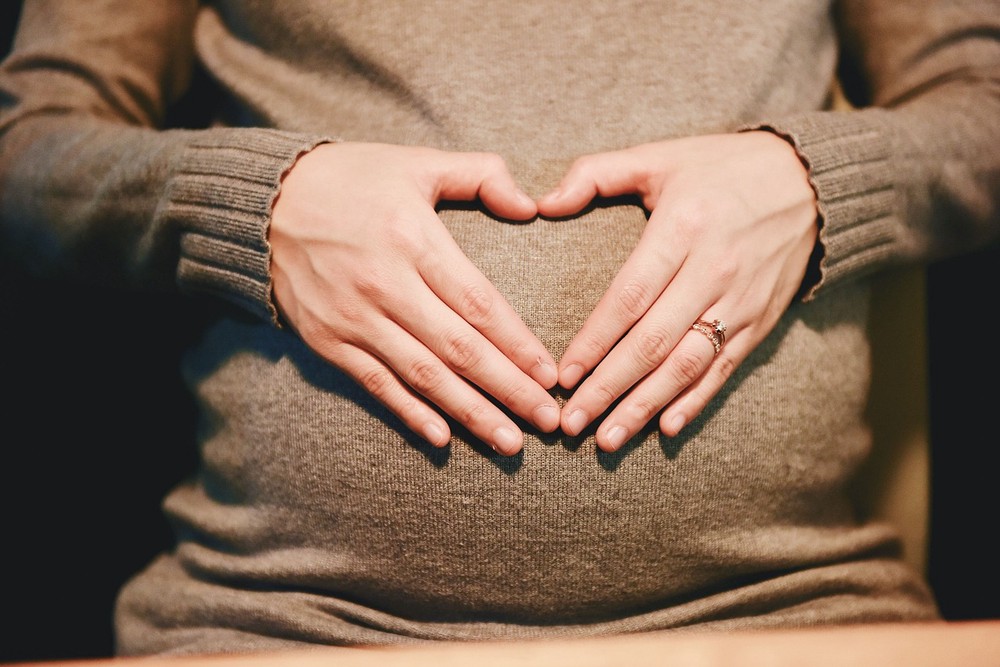
Swollen ankles and feet are one of the most common discomforts of pregnancy. By the third trimester, many expectant mothers notice their rings feel tighter and their shoes feel snug by mid-afternoon. While some swelling (edema) is a normal part of the body’s increased fluid production and circulatory changes, certain everyday habits can turn manageable puffiness into persistent, painful swelling. The good news is that recognizing a few common missteps can help you stay more comfortable.
Here are two mistakes that often make pregnancy swollen ankles worse—and what to do instead.
Mistake #1: Staying in the Same Position for Too Long
Whether you’re glued to a desk chair, standing at the kitchen counter, or lounging on the couch with your feet down, holding one position for hours is a surefire way to invite fluid to pool in your lower extremities. When you sit or stand without moving, gravity works against the blood and lymph trying to return from your feet to your heart. Your growing uterus also puts pressure on the pelvic veins, which makes the return flow even more sluggish.
What happens inside
Pregnancy increases your blood volume by about 50 percent. Your circulatory system is already working overtime. When you stay still, the extra fluid has an easier time settling into the soft tissues of your ankles and feet. This is why many women notice that swelling peaks at the end of the day or after a long car ride.
Better approach
- Move every hour. Set a timer to stand up, walk to the water cooler, or simply march in place for one minute. Even a short walk around the room gets the calf muscles contracting, which helps pump fluid back upward.
- Elevate when you can. Whenever you sit down to rest, prop your feet up on a stool, ottoman, or stack of pillows so they’re at or slightly above hip level. This makes gravity your friend instead of your foe.
- Shift positions often. If you must stand for a while—perhaps while cooking or waiting in line—shift your weight from one foot to the other, or rock gently on your heels and toes.
A quick tip: While sitting, gently rotate your ankles in circles—clockwise, then counterclockwise—for 30 seconds each hour. This small motion can help keep fluid moving.
Mistake #2: Wearing Tight or Restrictive Clothing and Footwear
It might seem obvious that tight shoes are uncomfortable, but many women don’t realize how much a snug waistband, tight socks, or a too-short dress can contribute to swollen ankles. Constriction at any point along your legs—especially at the knee or waist—acts like a tourniquet, trapping fluid below the restriction.
The hidden culprit: waistbands and thigh bands
Maternity pants with elastic that cuts across your belly or thighs can impede circulation. Non-maternity leggings or yoga pants that dig in at the waist or calf create pressure points that discourage blood from flowing freely. Even the elastic at the top of your socks can leave a deep red mark that signals fluid backup.
Better approach
- Choose loose, breathable footwear. Buy shoes a half size to a full size larger than your pre-pregnancy size, especially if it’s warm weather. Look for wide-width options or styles with adjustable straps. Avoid pointy toes and rigid heels.
- Wear low-compression socks or open-toed sandals. If you need support, opt for maternity compression stockings that are specifically designed to provide gentle graduated pressure—not tight bands at the top. Always put them on before you get out of bed, when swelling is least.
- Ditch restrictive waistbands. Favor maternity jeans with a soft over-the-belly panel or dresses that don’t cinch at the waist. If you wear leggings, choose ones with a wide, non-binding waistband that stays below your belly or sits comfortably over it without pinching.
When swelling needs medical attention
Mild to moderate swelling in the feet and ankles is normal in pregnancy, but sudden or severe swelling—especially if it’s in one leg only or accompanied by headache, vision changes, or pain—can be a sign of preeclampsia or a blood clot. If you notice that your swelling doesn’t improve overnight, if you can’t put weight on one leg, or if you have chest pain or trouble breathing, call your provider right away.
Other simple ways to reduce swelling
Beyond avoiding the two mistakes above, these habits can help keep fluid under control:
- Stay hydrated. Drinking enough water actually helps your kidneys flush out excess sodium, which can reduce fluid retention.
- Limit high-sodium foods. Processed snacks, fast food, and salty condiments encourage your body to hold onto water. Opt for fresh fruits, vegetables, and lean proteins when possible.
- Sleep on your left side. This position takes pressure off the inferior vena cava (the large vein that returns blood from your lower body), improving circulation and reducing swelling overnight.
- Cool your feet. A cool (not ice-cold) footbath or a cold pack wrapped in a thin towel can temporarily shrink blood vessels and ease puffiness.
Small adjustments in your daily routine can make a real difference. By staying mindful of how long you hold one position and what you’re wearing, you can help your body manage the extra fluid of pregnancy more comfortably—and spend less time propping up tired, swollen feet.