If you’re waking up drenched and exhausted, you’re likely searching for any solution that promises relief. The frustration is real—you try a new pillow, adjust the thermostat, or sip a calming tea, yet the disruptive cycle of night sweats and broken sleep continues. Often, the culprit isn’t a lack of effort, but a couple of subtle, everyday missteps that inadvertently turn up your internal heat.
Understanding these mistakes isn’t about adding another complex regimen to your life. It’s about identifying and adjusting two key areas where well-intentioned habits can backfire, making symptoms more intense and sleep more elusive. By shifting your approach, you can create a foundation for cooler, more restful nights.
Mistake #1: Overheating Your Body Before Bed
It seems logical: if you’re cold, you bundle up. But for many experiencing menopausal night sweats, the approach to bedtime warmth is often the first misstep. The goal isn’t to be cold, but to avoid triggering your body’s internal cooling system at the wrong time.
Your body has a finely tuned thermostat, regulated by the hypothalamus. During perimenopause and menopause, fluctuating hormones can make this thermostat hypersensitive. When it misreads your core temperature as too high, it initiates a cooling process—the familiar flush and sweat. If you go to bed already warm from external sources, you’re essentially pushing that sensitive thermostat toward its “cool down” mode.
Common sources of this pre-sleep heat include:
- Evening showers and baths: While a warm bath can be relaxing, taking it too close to bedtime raises your core temperature significantly. As your body works to cool down afterward, it can trigger a sweat episode just as you’re trying to fall asleep.
- Heavy bedding or sleepwear: Flannel pajamas and thick comforters trap heat. The initial coziness can lead to overheating a few hours into your sleep cycle, prompting a wake-up call in the form of a night sweat.
- Late exercise: A vigorous evening workout is fantastic for health, but it elevates your core temperature for hours. For a sensitive system, this can mean the cooling process kicks in right in the middle of the night.
Think of it as avoiding a ‘heat debt.’ You don’t want your body to start the night already working to pay it off.
A Cooler, Calmer Evening Routine
The fix isn’t about suffering in the cold. It’s about strategic cooling. Try ending your shower with a 60-second blast of cool water to lower your skin temperature. Opt for moisture-wicking, breathable pajamas made from natural fibers like cotton or bamboo, and layer your bedding so you can easily remove a blanket if needed. If you exercise in the evening, allow at least two to three hours for your body to fully cool down before bed, and consider gentler forms like yoga or stretching.
Mistake #2: Consuming Hidden Heat Triggers in the Evening
What you consume in the hours before bed can act as a direct signal to your nervous system. The second common mistake involves overlooking the subtle, heat-inducing effects of everyday foods and drinks. These aren’t just about caffeine; several culprits can dilate blood vessels or stimulate metabolism, creating a internal wave of heat your body then tries to shed.
Alcohol is a prime example. That glass of wine may seem like it helps you unwind, but alcohol is a vasodilator—it causes your blood vessels to widen, creating a feeling of warmth. As your body metabolizes it a few hours later, this can lead to a rebound effect, often waking you up with a sweat. Similarly, spicy foods contain capsaicin, which can trick your brain into thinking your temperature is rising, activating those cooling sweats.
But the list extends further:
- Sugary snacks and refined carbs: A spike in blood sugar can increase metabolic rate and body temperature. The subsequent crash can also disrupt sleep architecture, making you more prone to waking.
- Large, heavy meals: Digesting a big meal requires energy and generates heat (the thermic effect of food). Doing this right before bed means your internal furnace is still roaring as you try to sleep.
- Even decaffeinated coffee or chocolate: While lower in caffeine, these can still contain other stimulants like theobromine, which may affect sensitive individuals.
Nourishing for a Stable Night
Focus on an evening eating pattern that supports stable blood sugar and calm digestion. Aim to finish larger meals at least two to three hours before bed. If you need a snack, choose something small and balanced with protein and healthy fats, like a few almonds or a small cup of plain yogurt. Become a detective with your diet: try eliminating potential triggers like alcohol or spicy foods for a few nights and observe any changes in your sleep quality and sweat frequency. Hydration is key, but sip water steadily throughout the day rather than drinking large amounts right before bed to minimize nighttime bathroom trips.
Creating Your Personal Cool-Down Sanctuary
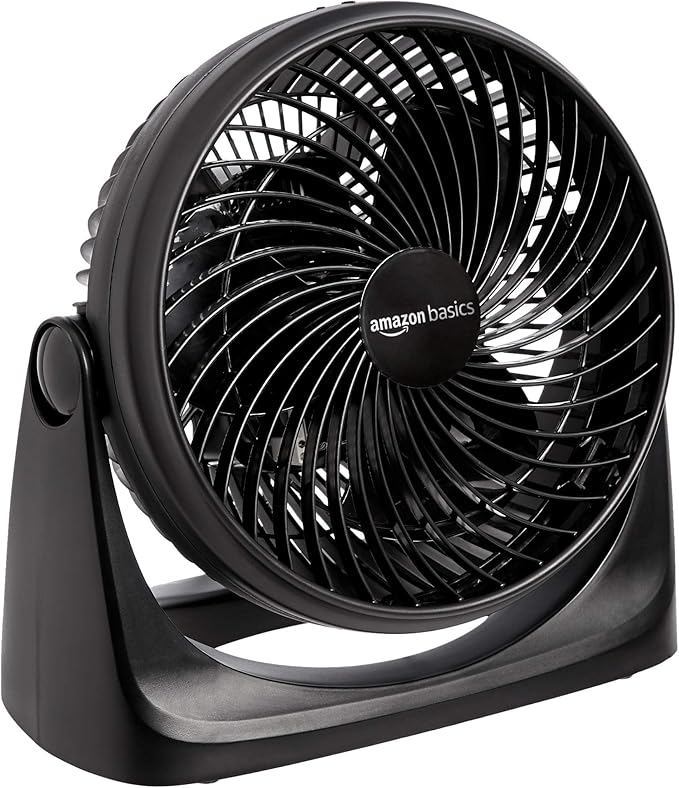
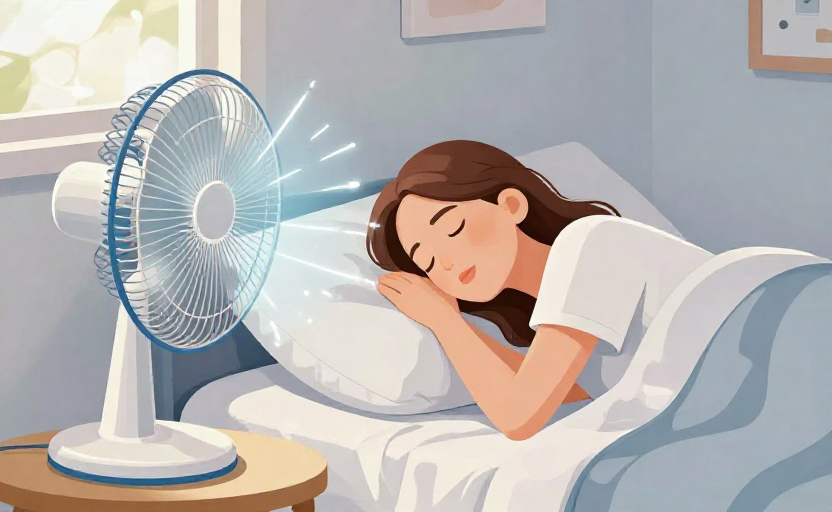
Correcting these two mistakes creates a powerful synergy. When you’re not overheating from your environment or your diet, your body’s own thermostat has a chance to operate more smoothly. Beyond these fixes, consider your bedroom itself. A cool room (around 65°F or 18°C) is ideal. Use a fan for air circulation; the breeze across your skin can be remarkably effective at preventing a flush from escalating into a full sweat. Some find placing a cool pack under the pillow or at the feet helpful for drawing heat away from the core.
Remember, this is a process of observation and gentle adjustment, not perfection. Some nights will be better than others, and that’s okay. The goal is to stack the odds in your favor by removing these common, aggravating factors, giving your body the best possible chance for undisturbed rest.