You’ve invested in a good antioxidant serum—probably vitamin C, maybe ferulic acid or vitamin E. You apply it every morning, hoping to protect your skin from environmental damage and slow visible aging. But if you’re like many people, you might be unknowingly sabotaging its benefits with a couple of common missteps. The good news? Once you know them, fixes are simple.
Mistake #1: Applying your serum in the wrong order
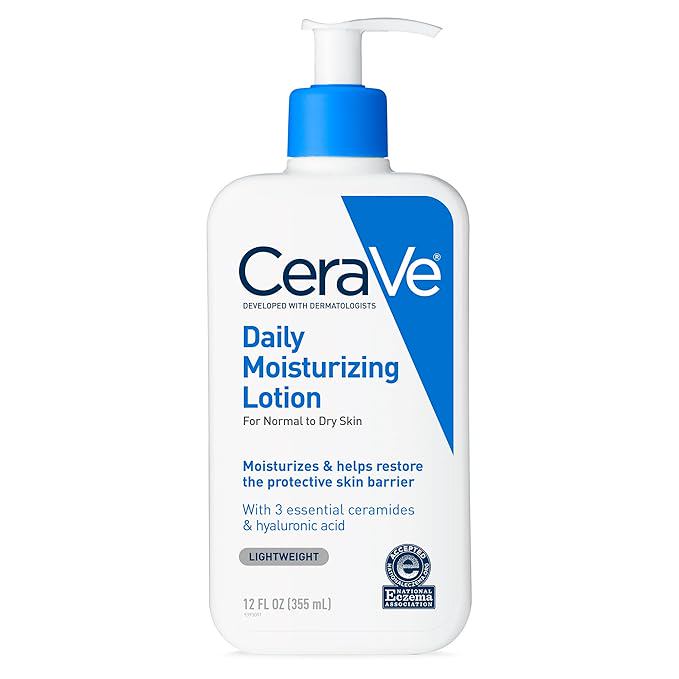
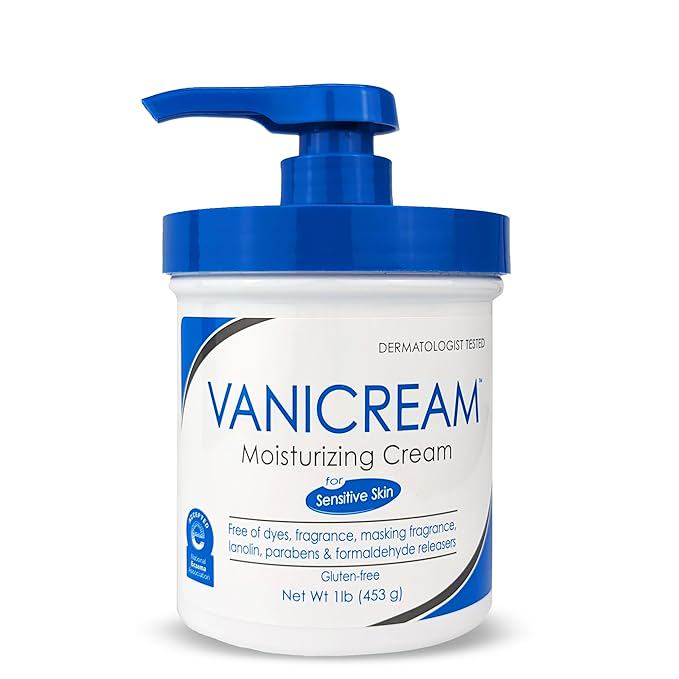
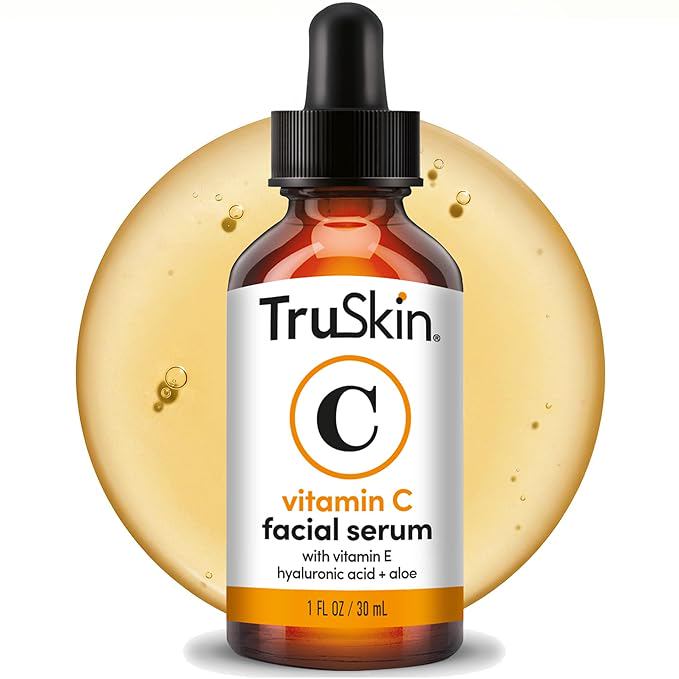
Your antioxidant serum is most effective when it comes into direct contact with clean skin. Many people layer it over a thick moisturizer or facial oil, thinking they’re being gentle. In reality, those heavier products create a barrier that keeps the serum from penetrating properly. The rule: antioxidant serums (which are usually water-based) should go on right after cleansing, before anything else—except maybe a toner if you use one.
Quick fix: Wash your face, pat dry, then apply your antioxidant serum. Wait 60 seconds, then follow with moisturizer and sunscreen.
Mistake #2: Not using sunscreen on top (or using the wrong sunscreen)
This is the big one. Antioxidants fight free radicals, but they can’t do it alone—and some, like vitamin C, can actually become less stable when exposed to UV light if they aren’t protected by sunscreen. Worse, without daily broad-spectrum SPF, you’re essentially letting the sun undo the work your serum just did. Antioxidant + sunscreen is a paired defense; missing either one weakens the whole strategy.
Key point: Always apply sunscreen (SPF 30 or higher) after your serum and moisturizer in the morning. This isn’t optional for visible results.
These two mistakes are incredibly common, even among people who are consistent with their routines. The good news: they’re easy to fix. Wash, serum, wait, then moisturizer and sunscreen. That sequence alone will unlock more of your serum’s potential.
Other factors that can dull your serum’s performance
- Expiration: Many antioxidant serums lose potency within months of opening. Check the bottle for a “period after opening” symbol (usually 6M or 12M) and toss it if it’s past that date or has changed color/smell.
- Storage: Heat and light break down active ingredients. Keep your serum in a cool, dark place—not on a sunny bathroom windowsill.
- Formulation compatibility: Using certain acids (like AHAs/BHAs) at the same time of day may change your skin’s pH enough to temporarily reduce antioxidant absorption. Consider using acids at night and antioxidants in the morning.
A simple morning routine that works
- Cleanse (or splash with water if your skin is dry).
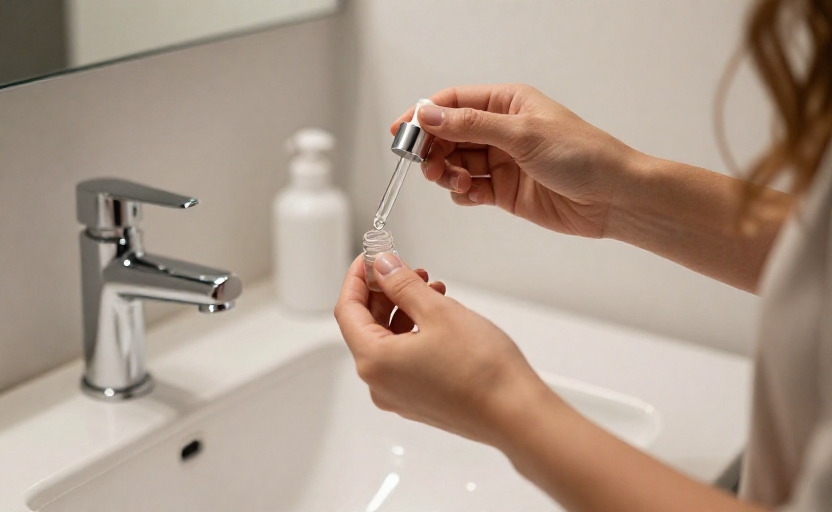
- Apply antioxidant serum (a few drops, gently pressed into skin).
- Wait 1 minute for absorption.
- Moisturizer (if needed for your skin type).
- Broad-spectrum mineral or hybrid sunscreen, SPF 30+.
That’s it. No need for more steps. Your serum will work harder, and your skin will show the difference—especially over weeks and months of consistent use.