Recovering from surgery is a gradual process, and the timeline for returning to sexual activity is rarely the same for any two people. Many assume that once the surgical wound heals, everything else will follow naturally. In reality, the emotional and physical adjustments after an operation often take longer — and it is easy to inadvertently slow your own progress by falling into a couple of common patterns.
Whether you have undergone abdominal surgery, a joint replacement, or a procedure on the pelvic area, giving your body the time it needs to heal is essential. But missing the mark on two specific habits can stall recovery. Understanding these mistakes — and what to do instead — can help you move forward at a pace that is both safe and realistic.
Mistake 1: Rushing back to previous levels of intensity too soon
The most frequent error people make after surgery is trying to resume sex exactly as it was before the operation. The body has been through a significant physical stressor — incisions, inflammation, internal healing, and often changes to energy levels and hormone regulation. Wanting things to feel normal again is natural, but expecting that your stamina, comfort, and circulation will all be ready at once can set recovery back.
Signs that you might be pushing too far include:
- Pain or pulling at the surgical site during movement or contact
- Bleeding or increased discharge after sexual activity
- Exhaustion or muscle strain that sets in the next day
- Emotional frustration or anxiety that replaces the sense of connection
Reintroducing intimacy gradually — starting with non-sexual touch, gentle positioning, and shorter sessions — allows the body to adapt. Surgeons often have specific activity restrictions, and ignoring these can sometimes cause wound separation or delayed scar healing.
Mistake 2: Avoiding all communication about the body's new limits
The second stumbling block is silence. Many people feel embarrassed or worried about sounding fragile to a partner, so they skip the conversation about what still hurts or feels strange. This can lead to uncomfortable, stressful encounters where neither partner is relaxed.
Open communication — even brief statements like "That spot is still sensitive" or "I need to stop and rest for a minute" — actually supports recovery by reducing stress hormones that can slow healing. When you speak up, your partner can adjust their touch, pacing, or position to avoid aggravating tender areas.
Honest dialogue about comfort, desire, and timing not only protects physical healing but also rebuilds the emotional closeness that surgery sometimes disrupts.
What recovery-friendly intimacy looks like
After surgery, the body's circulation, nerve signaling, and energy reserves are not what they used to be. Factors such as reduced blood flow near healing areas, lingering inflammation, and the effects of anaesthesia can affect arousal, lubrication, and endurance even when the surgical site itself seems fine.
Taking these aspects into account allows couples to explore intimacy that respects the healing process. Consider these low-pressure approaches:
- Start with massages, cuddling, or oral stimulation that places no strain on the abdomen, chest, or limbs.
- Use pillows to support any joints or areas that are still stiff or swollen.
- Keep early experiences short — even five to ten minutes of gentle closeness can be enough.
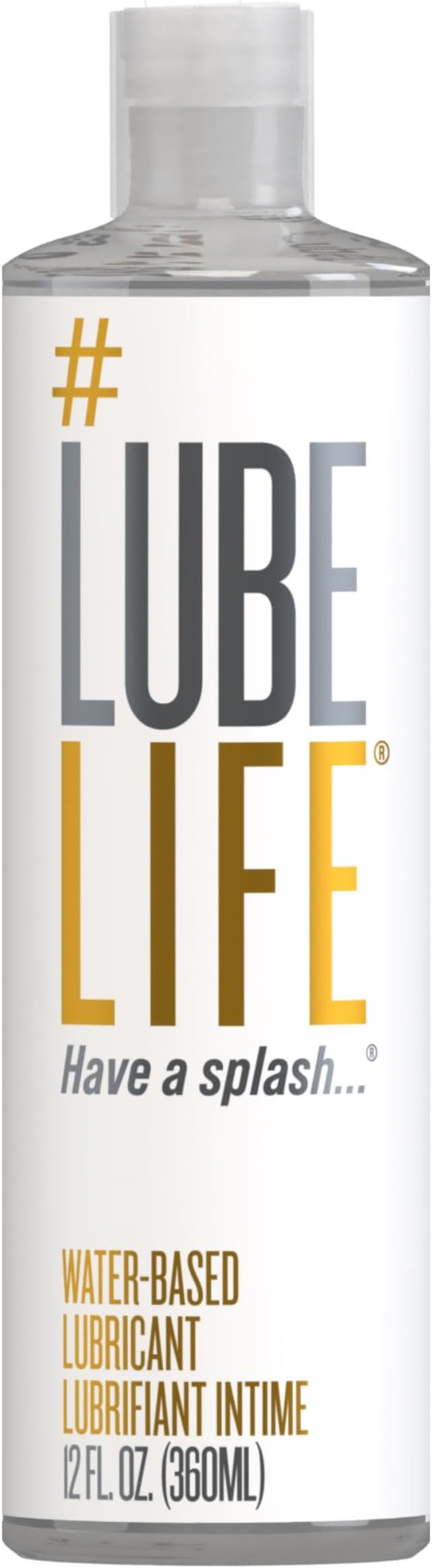
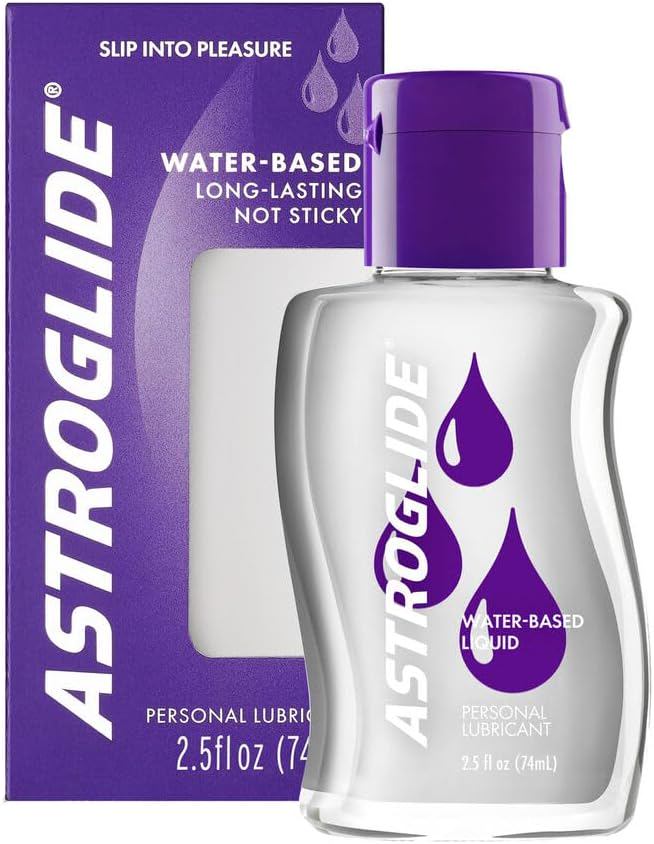
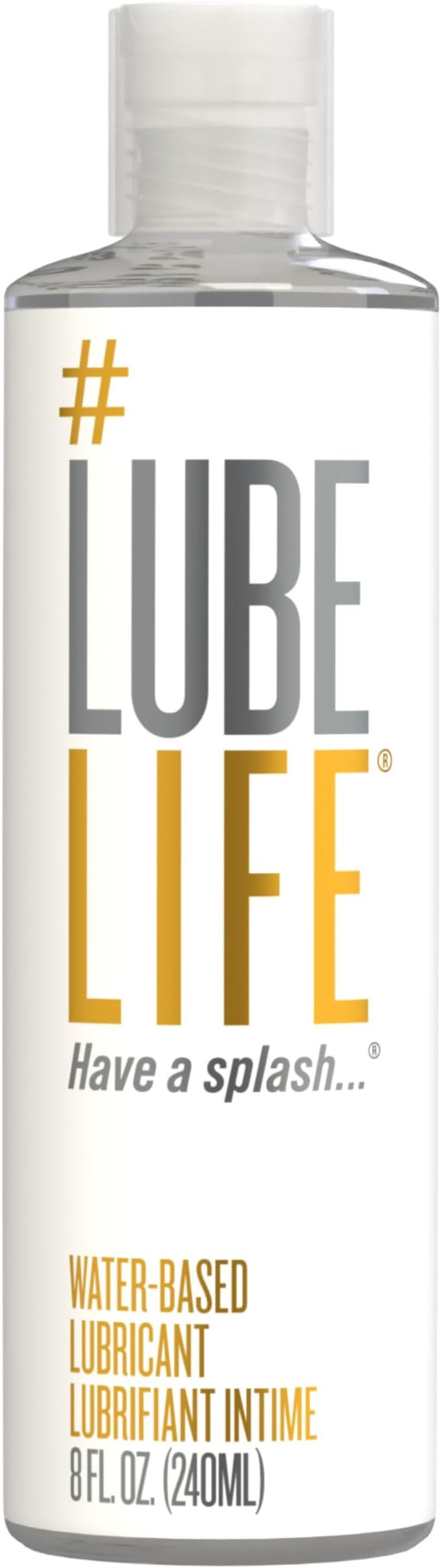
- Allow extra time for lubrication to build up naturally, or use a water-based personal lubricant if needed.
It is also wise to check with your surgeon or a physical therapist for specific movement restrictions, especially after pelvic, abdominal, or hernia repairs. General guidance is that waiting four to six weeks before attempting penetrative sex is common, but individual timelines vary considerably.
How emotional readiness impacts the physical timeline
Recovery is not only about stitches and scars. Surgery often leaves people feeling tired, worried about intimacy, or even detached from their own bodies. This emotional state can influence circulation and muscle tension — which directly affects sexual response. A person who forces themselves past their comfort level may experience more pain, less pleasure, and a longer overall recovery.
Letting go of performance expectations helps. Viewing early sexual encounters as an experiment in reconnection — rather than a test of how functional your body is — takes away some of the pressure. Partners who support this mindset tend to find that return to full sexual activity feels more like a gradual re-entry than a hurdle.
The two mistakes are easy to make, which is why many people run into them. Rushing back or staying silent both slow the process in distinct but equally real ways. Slowing down, listening to your body, and talking with your partner are the most effective countermeasures available. Recovery after surgery is deeply personal; the best sign of progress is not speed, but comfort.