For many people, breakfast is the most predictable meal of the day — a bowl of cereal, a quick pastry with coffee, or maybe nothing at all. But if you live with anxiety or have experienced a panic attack before, what you eat (or skip) in the morning could be setting the stage for warning signs like a racing heart, sudden dizziness, or that overwhelming sense of dread.
Panic attacks don't come out of nowhere. They often build on a cascade of physiological cues, and morning habits are a prime place where that cascade can begin. Here are two common breakfast mistakes that can quietly trigger panic attack warning signs — and what to do about them.
Skipping breakfast altogether or eating too little
It might seem harmless to grab only coffee and head out the door, but running on empty for hours after waking is a well-known trigger for anxiety symptoms. When you skip breakfast, your blood sugar levels can drop significantly by mid-morning. Low blood sugar (hypoglycemia) produces physical sensations that are nearly identical to the early stages of a panic attack: shakiness, weakness, sweating, confusion, and a rapid heartbeat.
Your brain relies on a steady supply of glucose to regulate mood and stress responses. Without that fuel, the body releases stress hormones like adrenaline and cortisol to compensate. For someone already prone to anxiety, this hormonal surge can feel like the beginning of a panic attack — and that fear itself can spiral into a full-blown episode.
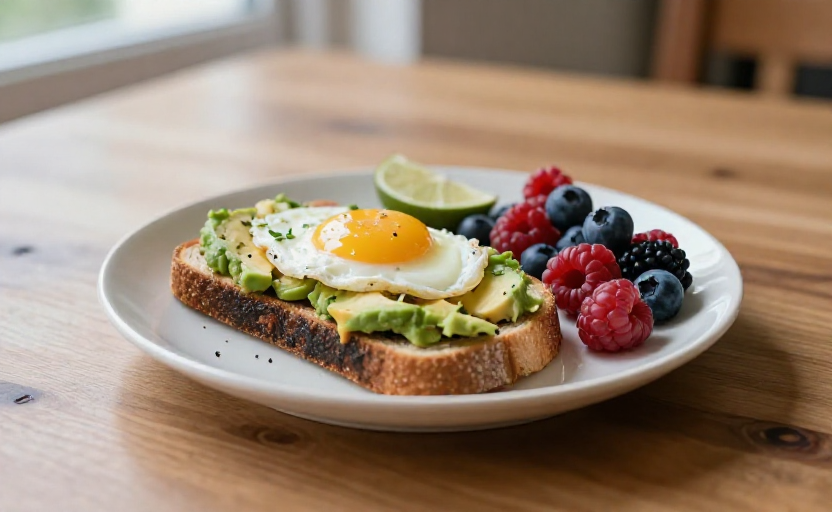
Tip: Pair protein and complex carbs at breakfast. A hard-boiled egg with half a slice of whole-grain toast or a small bowl of oatmeal with nuts can keep blood sugar stable for hours.
Starting the day with a sugar spike
The second mistake is the flip side of skipping breakfast: eating a breakfast that is heavy in refined sugar and simple carbohydrates. A sugary cereal, a glazed donut, white toast with jam, or a sweetened yogurt parfait can send blood sugar soaring quickly — and what goes up must come down.
The rapid rise in blood sugar triggers the pancreas to release a large amount of insulin, which can then cause blood sugar to crash sharply an hour or two later. This reactive hypoglycemia produces the same shaky, anxious, lightheaded feeling as skipping a meal. The body reads this dip as a stressor and responds with a fresh dose of adrenaline, which can mimic or provoke panic attack warning signs.
Caffeine complicates the picture. Many sugary breakfasts are paired with coffee or tea, and caffeine itself is a known anxiogenic — it can raise heart rate, increase alertness to the point of jitteriness, and amplify the physical sensations of a blood sugar swing. Together, a sugar-laden breakfast and a strong cup of coffee can create a perfect storm for someone whose nervous system is already on edge.
Other morning habits that can mimic anxiety
While these two breakfast mistakes are the most common, a few other morning choices can also produce panic-like symptoms. Dehydration after a night of sleep can cause a drop in blood pressure, leading to dizziness or a pounding heart. Drinking alcohol the night before may leave you with mild withdrawal symptoms that mimic anxiety. Even skipping breathwork or rushing through the morning routine can keep the nervous system in a sympathetic (fight-or-flight) state.
The key is to recognize that many physical sensations are not danger signals — they are normal bodily responses to what you did (or didn't) eat. Learning to distinguish between a blood sugar fluctuation and a panic attack can reduce the fear that makes panic worse.
How to build a panic-proof breakfast routine
You don't need a complicated meal plan. The goal is to avoid extremes: no prolonged fasting and no sugar bombs. A balanced breakfast that includes protein, fiber, and a small amount of healthy fat will provide steady energy and keep stress hormones in check.
- Protein: eggs, Greek yogurt (unsweetened), cottage cheese, or a plant-based option like tofu scramble
- Complex carbs: oatmeal, whole-grain toast, quinoa, or a small apple
- Fat: avocado, nuts, seeds, or a pat of butter
If you are not hungry first thing in the morning, start small — a handful of almonds and a glass of water can be enough to prevent a blood sugar dip. Over time, your appetite often adjusts.
Remember: the goal is not to eliminate all anxiety through food, but to remove one unnecessary trigger from the equation. If you experience frequent panic attacks, it is always wise to speak with a healthcare provider or a therapist. However, for many people, adjusting these two breakfast habits makes a noticeable difference in how the morning feels.
Disclaimer: This article is for educational purposes only and does not constitute medical advice. Always consult a qualified healthcare professional for personal health concerns.