
You probably know that your morning meal sets the tone for your energy and focus, but could it also affect how you handle an argument with your partner? Emerging research suggests that certain breakfast choices may prime your body for a heightened fight-or-flight response, making you more irritable, defensive, or emotionally reactive when a conflict arises. The connection lies in how these foods influence your blood sugar, stress hormones, and nervous system.
When you eat something that causes a rapid spike and then a sharp crash in blood glucose, your body releases cortisol and adrenaline to compensate. Those same hormones are also activated during a tense disagreement. The result? You may overreact to a small comment or feel a surge of anger that's out of proportion to the situation. Here are two breakfast culprits that can quietly sabotage your composure during relationship conflicts.
Sugary Cereals and Pastries
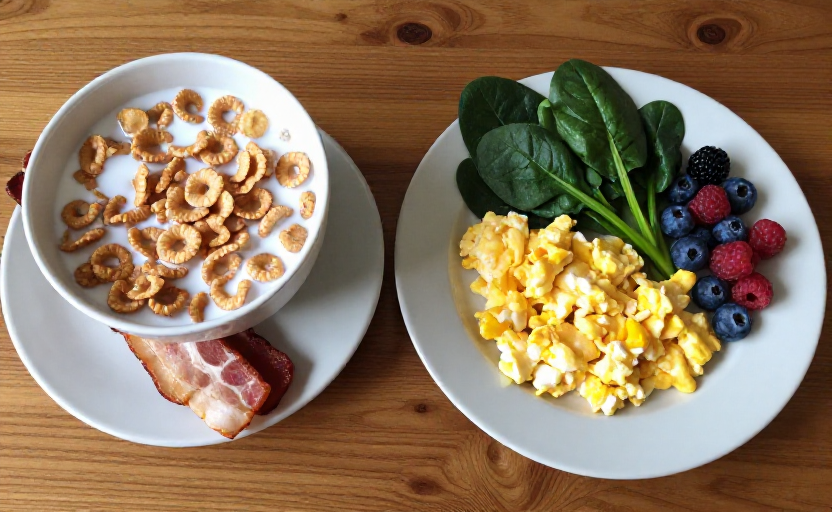
A bowl of brightly colored cereal or a glazed doughnut might be convenient, but these high-sugar, low-fiber options are essentially a fast track to a blood sugar roller coaster. Within 30 to 60 minutes, your glucose levels soar, triggering a large insulin release. That insulin surge then pulls too much sugar out of your bloodstream, leading to a reactive hypoglycemia — a sharp drop in blood sugar. Your body interprets this drop as a stressor and floods your system with cortisol and epinephrine.
Now imagine your partner brings up a minor disagreement during that low-blood-sugar window. Your brain, already starved of its primary fuel, and your body, flooded with stress chemicals, are primed for a disproportionate reaction. You might snap, feel tearful, or shut down entirely. Studies have linked unstable blood glucose to increased irritability, anxiety, and even aggression. Choosing a breakfast with protein, healthy fat, or fiber can help keep that emotional baseline steady.
A quick caveat: This doesn't mean you can never enjoy a pastry. The key is pairing a sweet treat with a protein source — like a hard-boiled egg or a handful of almonds — to buffer the blood sugar spike.
Ultra-Processed Breakfast Meats
Bacon, sausage, and processed ham are staples of a hearty breakfast, but they contain high levels of sodium, nitrates, and advanced glycation end products (AGEs) that promote systemic inflammation. Chronic inflammation doesn't just affect your joints or digestion — it also influences your brain and mood. Inflammatory cytokines can disrupt neurotransmitter function and increase the activity of the amygdala, the brain's fear and threat detection center.
When your amygdala is on high alert, you're more likely to interpret a neutral comment from your partner as a threat. This inflammatory state can also blunt the effectiveness of serotonin, the neurotransmitter that helps you stay calm and flexible during disagreements. A breakfast heavy on processed meats may leave you physically sensitized to conflict, even if you're not consciously aware of it. The nitrates in these meats can also interfere with mitochondrial energy production in neurons, potentially reducing your cognitive reserve when you need it most — during a difficult conversation.
What to Eat Instead for Emotional Stability
The goal isn't to eliminate all enjoyable breakfast foods, but to build a plate that supports stable blood sugar and a calm nervous system. Look for combinations that include:
- Protein (eggs, Greek yogurt, tofu, or leftovers from dinner)
- Healthy fats (avocado, nuts, seeds, or olive oil)
- Fiber-rich carbohydrates (oats, berries, vegetables, or whole-grain toast)
A breakfast of scrambled eggs with sautéed spinach and a side of berries provides steady energy and anti-inflammatory nutrients like choline and antioxidants. Oatmeal made with milk or a scoop of protein powder, topped with walnuts and blueberries, is another option that sustains blood sugar for hours. Even a protein smoothie with spinach, banana, and hemp seeds can keep your mood even-keeled through the morning.
The connection between breakfast and relationship conflict is a reminder that our emotional responses are not purely psychological. They are rooted in biochemistry. By choosing foods that stabilize your internal environment, you give yourself a better chance of staying patient, clear-headed, and connected when it matters most. Small shifts at breakfast can ripple into calmer conversations and stronger bonds throughout the day.