
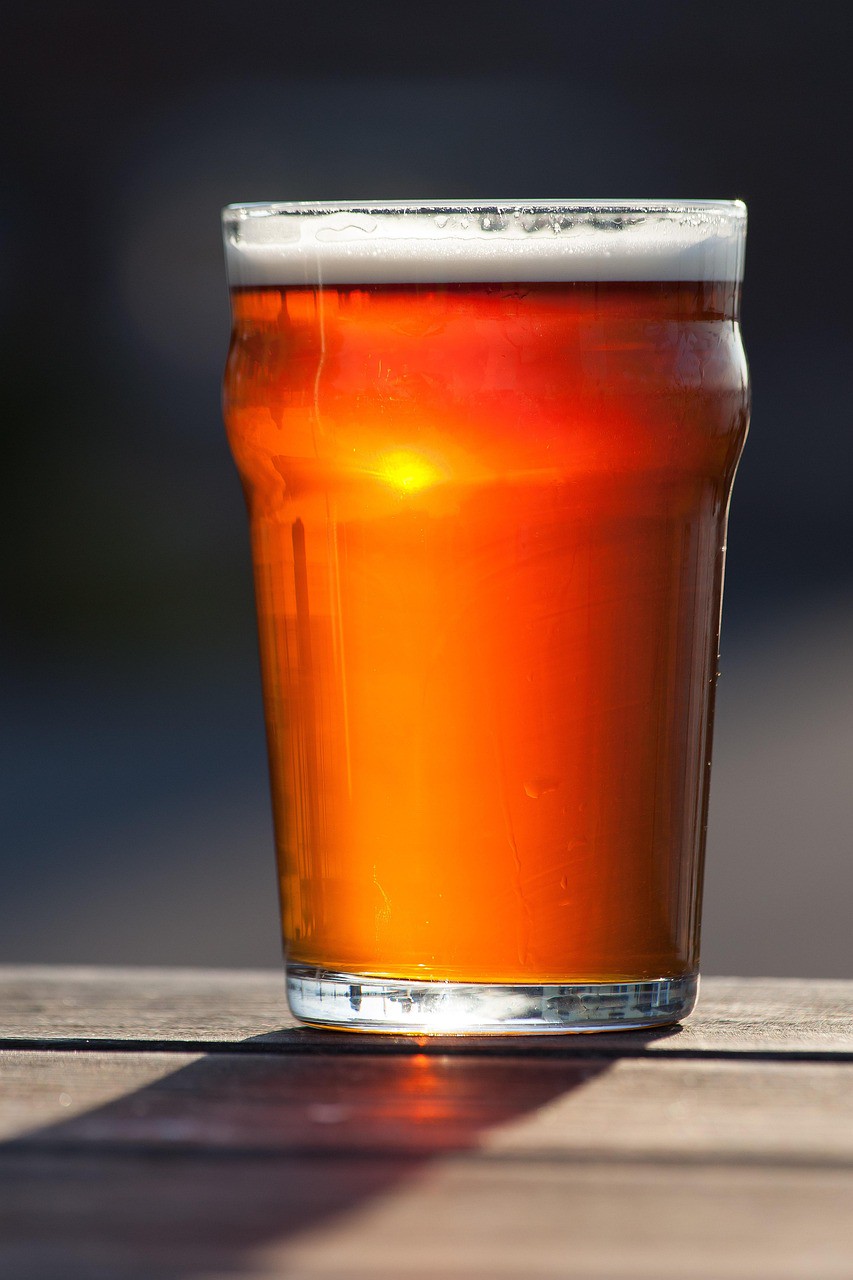
A sexual health screening is already enough to make anyone a little nervous. The last thing you want is to get results that are thrown off by something as simple as what you drank the night before. It turns out that one common beverage can temporarily skew certain lab values, potentially leading to a confusing follow-up or an unnecessary repeat test.
If you have an appointment coming up — whether it's a routine STI panel, a Pap smear, or a general reproductive health check — here is the drink to skip and why it matters.
The drink to avoid: Alcohol
The single beverage to steer clear of before a sexual health screening is alcohol. It does not matter if it is wine, beer, or a cocktail; alcohol can interfere with several aspects of the screening process, from the accuracy of blood tests to the reliability of urine samples.
Alcohol is metabolized by the liver and kidneys, and its presence in your system can temporarily alter levels of certain hormones and enzymes. For example, even moderate drinking the night before can raise liver enzymes (AST and ALT), which are sometimes included in a broader health panel alongside a sexual health screen. If a doctor sees these elevated numbers, they may wonder about underlying liver stress — when it is really just the aftereffect of one drink.
How alcohol affects urine-based STI tests
Many sexual health screenings use a urine sample to check for chlamydia and gonorrhea. Alcohol is a diuretic, meaning it makes you urinate more frequently and can dilute your urine. While a slightly diluted sample may still be detectable in many cases, it can lower the concentration of bacterial DNA enough to produce a false negative. Labs have thresholds for detection, and a very dilute specimen might fall below that line.
Alcohol and hormone levels
For women, alcohol can temporarily shift estrogen and progesterone levels. If your screening includes any hormone testing — for fertility concerns, irregular cycles, or menopausal status — a drink the night before could give a misleading snapshot. Doctors look at these values to get a baseline of your reproductive health, and even a small shift from alcohol can muddy the picture.
Quick tip: If you are going for a sexual health screening, skip alcohol for at least 24 hours beforehand. Water is the best choice to stay hydrated without interfering with results.
What about caffeine or sugary drinks?
Coffee and soda are generally not a concern for most standard sexual health screenings, but they are worth mentioning because they can affect comfort. Caffeine is a mild diuretic, and sugary drinks can sometimes irritate the bladder. Neither will directly skew a chlamydia or gonorrhea test, but they can make you feel jittery or need to pee more often, which adds unnecessary stress to the visit.
Stick to plain water in the 12 to 24 hours before your appointment. Staying well-hydrated helps ensure you can provide a clean urine sample without dilution issues.
Other practical tips for screening day
- Empty your bladder for at least one hour before providing a urine sample. This prevents the first stream from being too dilute.
- Avoid douching or using vaginal creams for 24 hours before a Pap smear or pelvic exam — these can wash away or mask cells the clinician needs to see.
- If you are having blood drawn, fast for 8 to 12 hours only if instructed. Many sexual health blood tests (like HIV or syphilis) do not require fasting, but a combined panel with a lipid check might.
A sexual health screening is a responsible, routine step in taking care of your body. A small preparation — like skipping that one drink the night before — helps ensure you and your doctor get the clearest possible picture of your health.