If you've ever felt a sudden, sharp sensation in your chest after a meal or during a stressful moment, you know how alarming it can be. While chest pain is often associated with a heart attack, it can also be a symptom of two very different underlying issues: heartburn (gastroesophageal reflux) or angina (reduced blood flow to the heart). Interestingly, one common beverage can act as a trigger for both conditions, making it a potential culprit for that worrying discomfort.
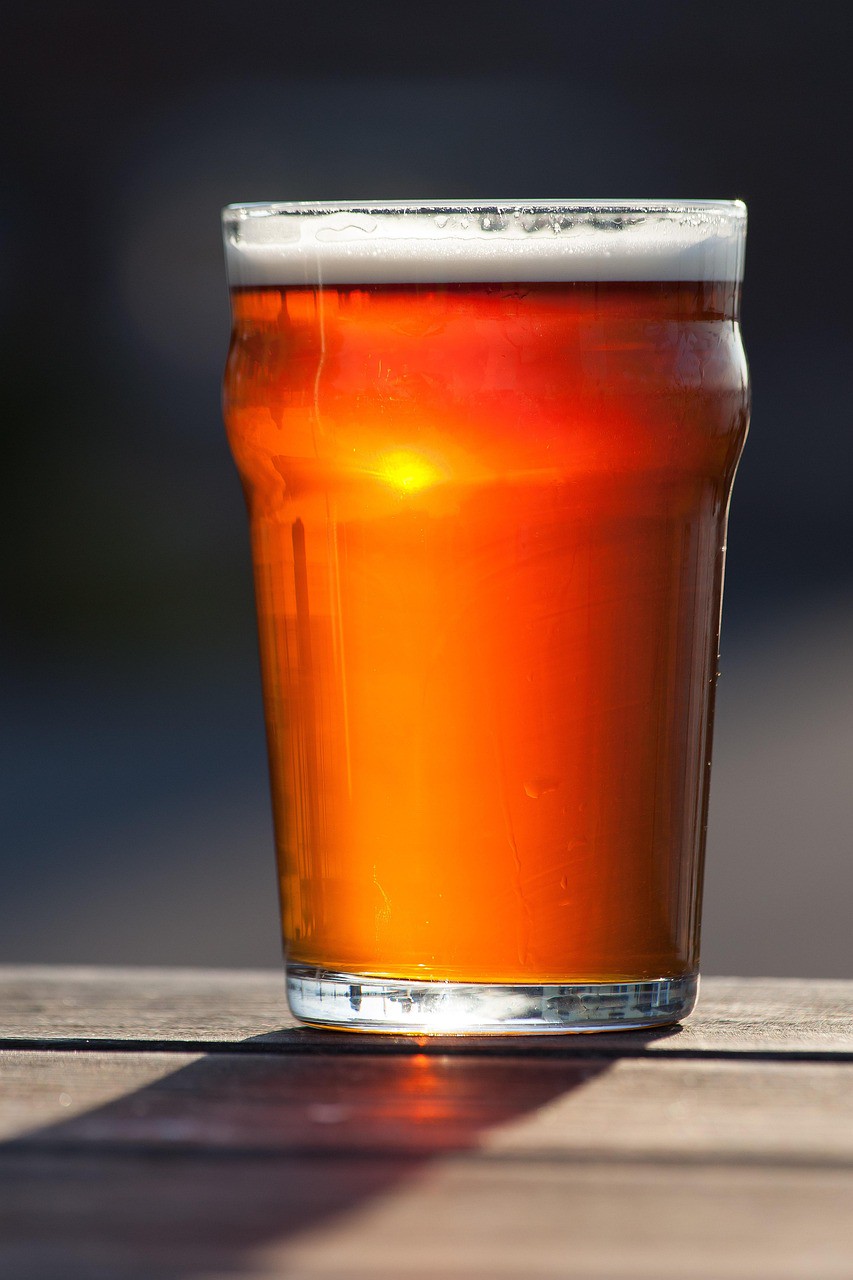
This article focuses on a specific drink—alcohol—and how it can provoke chest pain in individuals with heartburn or angina. We'll explore the science behind why this happens, how to distinguish between the two types of pain, and what you can do to minimize your risk.
How Alcohol Triggers Heartburn-Related Chest Pain
Heartburn occurs when stomach acid flows backward into the esophagus, the tube connecting your mouth to your stomach. This acid irritates the delicate lining of the esophagus, causing a burning sensation in the chest. Alcohol can worsen this process in several ways:
- Relaxes the lower esophageal sphincter (LES): The LES is a ring of muscle at the bottom of the esophagus that normally acts as a one-way valve. Alcohol relaxes this muscle, making it easier for stomach acid to splash upward.
- Increases stomach acid production: Some alcoholic beverages, particularly wine and beer, can stimulate the stomach to produce more acid, creating a larger volume of refluxate.
- Directly irritates the esophagus: Alcohol itself is a known irritant to the sensitive lining of the esophagus, especially when combined with acid. This can make the burning sensation feel more intense.
The resulting chest pain from heartburn is often described as a burning sensation behind the breastbone, sometimes moving upward toward the throat. It can be accompanied by a sour taste in the mouth, regurgitation, or a feeling of a lump in the throat. It typically occurs shortly after drinking, especially on an empty stomach or when lying down soon after consumption.
How Alcohol Triggers Angina-Like Chest Pain
Angina is a different mechanism. It is chest pain or discomfort caused by reduced blood flow to the heart muscle, usually due to narrowing or hardening of the arteries (atherosclerosis). While a heart attack is a complete blockage, angina is a temporary reduction in blood flow, often brought on by exertion, stress, or other triggers. Alcohol can contribute to angina in a few ways:
- Causes rapid heart rate and increased blood pressure: Alcohol can act as a stimulant, causing your heart to work harder and your blood vessels to constrict temporarily. This increased demand on the heart can outstrip the supply of oxygen, leading to chest pain.
- Coronary artery spasm: In some individuals, alcohol can cause a sudden, temporary spasm of the coronary arteries, which can choke off blood supply to the heart muscle. This is known as Prinzmetal's (or variant) angina and can occur at rest.
- Disrupts blood sugar levels: Alcohol can cause a drop in blood sugar (hypoglycemia), which in turn can increase the release of adrenaline and other stress hormones, potentially triggering angina in susceptible individuals.
Angina pain is often described as a pressure, squeezing, or heaviness in the chest—like someone sitting on it. It may radiate to the left arm, jaw, neck, or back. It is often triggered by physical activity or emotional stress, but can also be provoked by alcohol, particularly heavy drinking or binge drinking.
Key distinction: Heartburn pain is a sharp, burning sensation. Angina is a dull, pressure-like ache. If you are unsure, seek immediate medical attention. Do not self-diagnose chest pain.
Recognizing the Warning Signs
Because both conditions can produce chest pain after drinking alcohol, it is critical to pay attention to the context of your symptoms. Here are a few points to consider:
- Timing: Heartburn pain usually occurs within 30 minutes to an hour after drinking, especially if you lie down afterward. Angina may occur during or shortly after drinking, but can also be delayed, especially if you have a hangover.
- Relieving factors: Heartburn is often eased by standing up or taking antacids. Angina is often relieved by rest or nitroglycerin (if prescribed). Alcohol-induced angina may improve once the alcohol is metabolized.
- Associated symptoms: Heartburn often comes with belching, nausea, or a sour taste. Angina may come with shortness of breath, nausea, lightheadedness, or cold sweat.
Important safety note: If you have any chest pain, especially if it is new, severe, or accompanied by shortness of breath, sweating, or nausea, call 911 immediately. Do not wait to see if it improves.
Practical Steps to Reduce Your Risk
If you have a history of heartburn, angina, or both, but still choose to drink alcohol, moderation is key. The following strategies may help lower your risk of triggering chest pain:
- Limit alcohol consumption: For heartburn, stick to small amounts. For angina, talk to your doctor about what is considered safe, if anything. Many cardiologists recommend avoiding alcohol entirely if you have coronary artery disease.
- Avoid drinking on an empty stomach: Food can help buffer the effects of alcohol on the LES and slow absorption into the bloodstream.
- Choose your drinks wisely: Red wine and beer are often more acidic and may be worse for heartburn. Mixed drinks with citrus or carbonated mixers can also be problematic. For angina, straight liquor might trigger blood pressure spikes more than beer or wine.
- Stay upright: Avoid lying down for at least two to three hours after drinking to reduce the risk of reflux.
- Track your triggers: Keep a log of what you drink, how much, and whether you experience symptoms. This can help you identify your personal threshold.
When to See a Doctor
If you experience chest pain after drinking alcohol, it is a sign that something is wrong. Do not assume it is always heartburn, especially if you have risk factors for heart disease (such as high blood pressure, high cholesterol, diabetes, smoking, or a family history of heart problems). Make an appointment with your healthcare provider to discuss your symptoms and get a proper evaluation. They may order tests like an upper endoscopy for heartburn or a stress test or angiogram for angina.