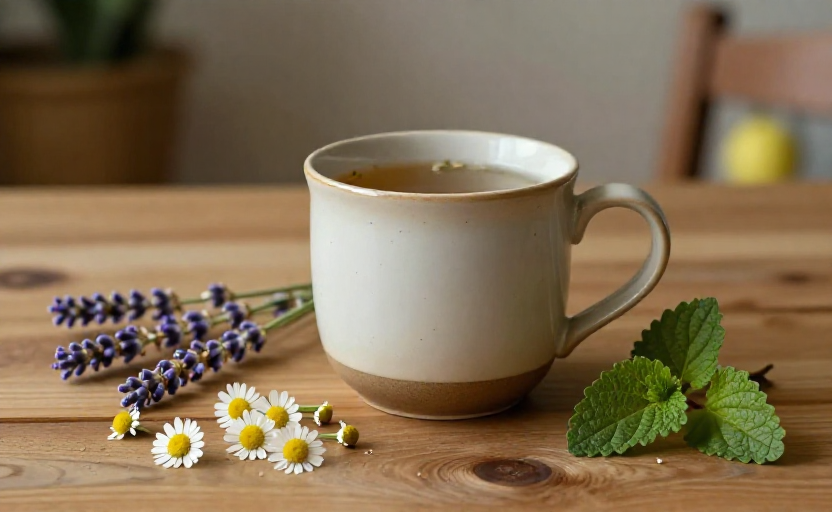
The weight of the day often settles in just as the house gets quiet. You might find yourself scrolling through your phone, replaying a conversation, or feeling a familiar tightness in your chest while your tea goes cold. That evening cup of tea, meant to be a moment of peace, can sometimes feel like just another chore.
The right blend, however, can be a genuine anchor. Certain botanicals have a long history of use for gentle nervous-system support, working not by sedating you but by encouraging a state of calm alertness. Here are three specific tea blends worth reaching for when your mind feels stuck on repeat.
What Makes a Tea Calming for Anxiety?
It’s not just about the ritual—though that matters. The compounds in certain plants interact with receptors in your brain that regulate stress. For example, some herbs influence GABA, a neurotransmitter that reduces neuronal excitability. Others have gentle anti-inflammatory or adaptogenic properties that help your body modulate its cortisol response. The key is consistency: one cup won’t erase chronic anxiety, but a nightly habit can shift your baseline.
1. Chamomile: The Gentle Classic for Restlessness
Chamomile is the most studied herb for mild anxiety, and for good reason. Its apigenin content binds to benzodiazepine receptors in the brain, producing a mild, non-habit-forming calming effect. It’s particularly useful if your anxiety shows up as physical tension—clenched jaw, tight shoulders, or an inability to settle into bed.
A 2016 study from the Phytomedicine journal found that long-term chamomile extract significantly reduced moderate-to-severe generalized anxiety disorder symptoms compared to placebo. While whole flowers are gentler than a concentrated extract, a strong, well-steeped cup (10 minutes, covered) can still offer noticeable relief. Look for whole-flower chamomile rather than fannings (the dust at the bottom of cheap tea bags) for a richer, more effective infusion.
Tip: Steep your chamomile with a pinch of lemon balm for an extra layer of calming support—the two herbs complement each other beautifully.
2. Lavender: Aromatic Support for Worry Spiral
If your anxiety is more cognitive—endless loops of “what if” thoughts—lavender might be your better bet. While often dismissed as a scent for bath salts, lavender’s internal use has strong evidence. The key compounds linalool and linalyl acetate are absorbed through the olfactory system and the digestive tract, both pathways influencing the limbic system (the emotional brain).
A 2012 randomized controlled trial published in the International Journal of Neuropsychopharmacology found that 80 mg of lavender oil per day was as effective as low-dose lorazepam for anxiety, without the sedation or dependency risk. For tea, look for culinary-grade lavender buds (not the dried lavender for potpourri, which may be treated with chemicals). The flavor is floral and slightly sweet, with a grassy undertone. It blends well with a base of green tea or honeybush.
How to Brew Lavender Tea for Anxiety
Use one teaspoon of dried lavender buds per cup of water at 200°F (just below boiling). Steep for exactly 5 minutes—any longer and it can become bitter and soapy. Strain immediately. A teaspoon of raw honey can mellow the floral notes without overpowering the herb.
3. Lemon Balm: The Mood Lifter for Stressed Evenings
Lemon balm (a member of the mint family) is distinct because it works on both anxiety and low mood simultaneously. If your evening anxiety is tinged with irritability or a sense of heaviness, this is often the most effective choice. Its rosmarinic acid content boosts GABA levels in the brain while also inhibiting the enzyme that breaks down the calming neurotransmitter.
Research from Nutritional Neuroscience (2014) showed that a single 600 mg dose of lemon balm extract improved calmness and alertness within an hour, with a greater effect in people who reported high baseline stress. In tea form, the volatile oils are more subtle but still effective with consistent use. The flavor is bright, lemony, and slightly sweet—a refreshing contrast to heavier, earthy herbs.
Caveat: Lemon balm can interact with thyroid medications. If you take levothyroxine or have Hashimoto’s, consult your doctor before using it daily.
How to Build Your Evening Tea Ritual for Anxiety
The herb matters, but the ritual is what amplifies the effect. Here’s a simple structure that works well for most people:
- Same time, same place. Drink your tea at least 45 minutes before you plan to sleep. Pair it with a consistent location—a specific chair or corner of the couch—to create a Pavlovian relaxation cue.
- No digital devices. The blue light from screens undermines the calming effects of the herbs. Use this 15-minute window to stretch, journal one sentence, or simply stare out a window.
- Watch your temperature. Very hot liquids can increase heart rate slightly, which some anxious people misinterpret as a panic signal. Let your tea cool to a warm, comfortable sip.
When to Consider Professional Support
Evening tea is a wonderful tool for daily stress management, but it is not a treatment for clinical anxiety disorders. If your worry feels overwhelming, leads to panic attacks, or interferes with your ability to function during the day, please speak with a mental health professional. Herbal support works best as part of a broader strategy that includes therapy, movement, and sometimes medication.
The right evening tea doesn’t promise to fix everything—but it can create a small, reliable pocket of peace in a restless mind. Start with one blend, observe how it feels over a week, and adjust from there. Your nervous system is listening.