You’ve had a long day, and as evening settles in, you’re looking for comfort and calm. What’s on your plate might seem like a simple choice, but for many, it’s the unseen architect of the night ahead. The connection between your last meal and your mental state is more direct than we often realize. Certain foods, consumed in the hours before bed, can quietly fuel the physiological fires of anxiety and steal the restorative sleep you need.
This isn’t about strict rules or guilt. It’s about awareness—understanding how common dinner and snack choices can send signals to your nervous system that are the opposite of “wind down.” By tuning into these effects, you can make more supportive choices that help your body and mind ease into rest, not restlessness.
How Food Influences Evening Anxiety and Sleep
Your digestive system doesn’t clock out when you do. What you eat communicates directly with your brain and your body’s stress response systems. Some foods can trigger the release of stress hormones like cortisol, while others may cause blood sugar spikes and crashes that mimic or exacerbate feelings of nervousness. Simultaneously, they can interfere with the production of sleep-regulating chemicals like melatonin and disrupt the natural drop in core body temperature needed for deep sleep.
The goal for an evening meal is gentle sustenance: providing enough nourishment to prevent overnight hunger, without overtaxing your system. It’s the culinary equivalent of dimming the lights.
Foods to Be Mindful of in the Evening
These are not “bad” foods. In different contexts or earlier in the day, your body may handle them just fine. The issue is their timing and their specific impact on an anxious, tired system preparing for sleep.
Heavy, High-Fat Meals
A large, greasy dinner—think deep-fried foods, a hefty steak, or rich creamy sauces—demands significant digestive effort. Your body must work harder to break it down, which can keep you physically uncomfortable and alert. This digestive burden can also lead to acid reflux when you lie down, further disrupting your ability to settle.
A heavy meal can keep your digestive system in ‘work mode,’ making it harder for your brain to switch into ‘sleep mode.’
Spicy Foods
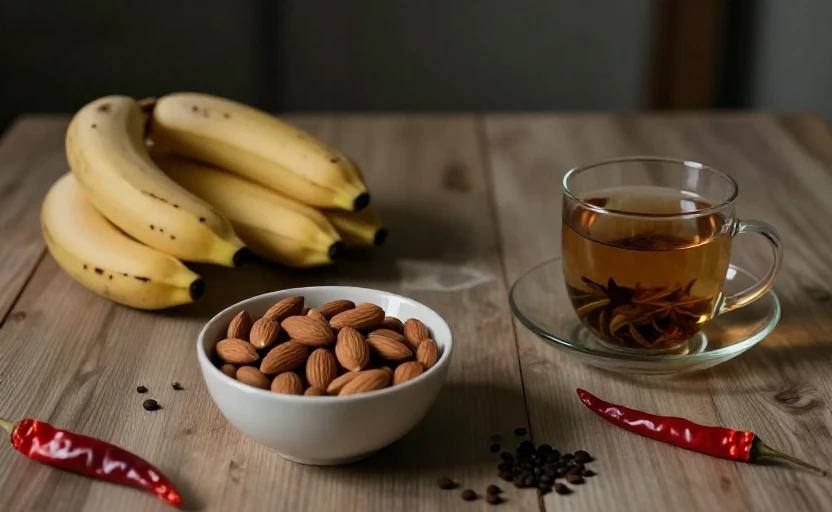
Spicy dishes containing capsaicin (from chili peppers) are a common culprit. They can raise your core body temperature—the opposite of what needs to happen for sleep onset. For some, they also trigger heartburn. This physical discomfort can easily translate into a feeling of agitation and anxiety, as your body signals that all is not well.
Refined Sugars and Simple Carbs
That bowl of sugary cereal, pastry, or even white pasta and white bread can cause a rapid spike in blood sugar, followed by a sharp drop. This crash can stimulate the release of adrenaline and cortisol, hormones that increase heart rate and create feelings of jitteriness and worry. It’s a biochemical rollercoaster you don’t want to ride at bedtime.
Caffeine (Yes, Even After Dinner)
This one might seem obvious, but caffeine’s reach is often underestimated. It’s not just in coffee. It’s present in many teas, dark chocolate, some sodas, and even certain desserts or medications. Caffeine blocks adenosine, a neurotransmitter that promotes sleepiness, and can stimulate the release of cortisol. Its effects can linger for hours, potentially causing you to lie in bed with a racing mind.
Alcohol
While alcohol is a sedative and might help you fall asleep initially, it severely fragments sleep architecture. As your body metabolizes it, sleep becomes lighter and more disrupted. It also suppresses REM sleep, the crucial stage linked to mood regulation. This leads to non-restorative sleep, which can significantly lower your resilience to stress and anxiety the following day.
Crafting a Calmer Evening Plate
Shifting your evening eating habits isn’t about deprivation; it’s about substitution and timing. Consider lighter proteins like grilled fish or tofu, complex carbohydrates like sweet potato or quinoa, and healthy fats from sources like avocado or olive oil earlier in the meal. These provide steady energy and contain nutrients like magnesium and tryptophan that support relaxation.
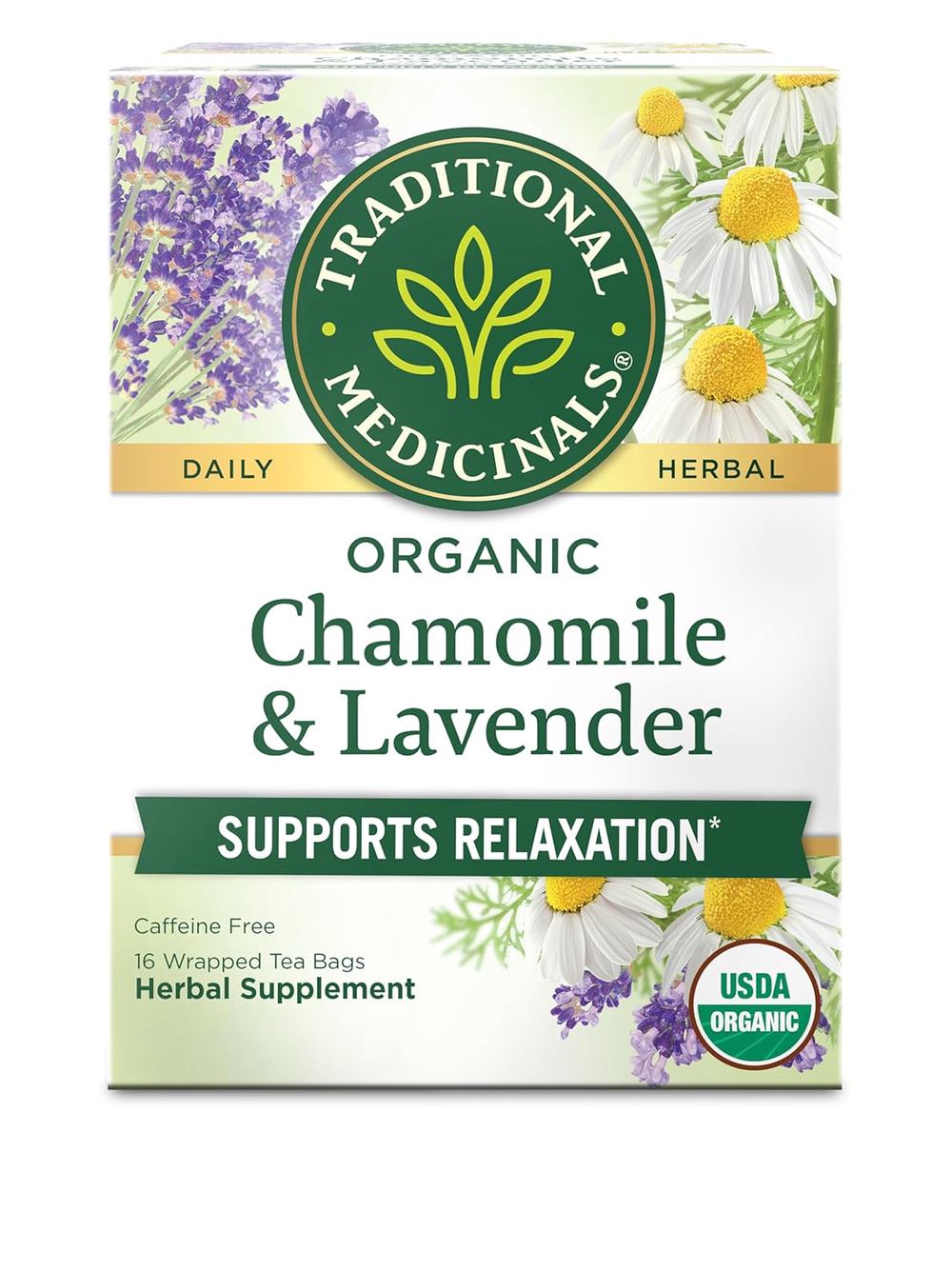
Timing matters, too. Aim to finish your last substantial meal at least 2-3 hours before bedtime. If you need a small snack closer to sleep, opt for something blood-sugar-balancing, like a few almonds and a small piece of fruit, or a cup of herbal tea.
Listening to your body’s response is the most powerful tool. Notice how you feel after different evening meals—not just physically, but mentally. Do you feel calm and grounded, or slightly wired and uneasy? That feedback is invaluable for creating your own personal blueprint for calm evenings and more peaceful nights.